Why the 2026 Tamil Nadu Election feels different
Honestly, when I first heard about the upcoming Tamil Nadu Assembly election, I thought it would be the usual DMK versus AIADMK drama. But as I started following the latest news India and talking to friends in Chennai, the whole picture began to look more layered. New parties like Tamilaga Vettri Kazhagam (TVK) are making noise, and voter concerns have shifted from just the usual development promises to very local issues traffic jams on Anna Salai, waterlogging in Adyar, and the ever‑growing housing crunch.
What caught people's attention is that the election is being billed as a real test for the ruling DMK's urban governance. If the people in the city see real change, the DMK could ride that wave; if not, the opposition could mop up the anti‑incumbency sentiment. And because these stories are everywhere in breaking news and trending news India, the conversation never stops.
Kolathur the litmus test for MK Stalin
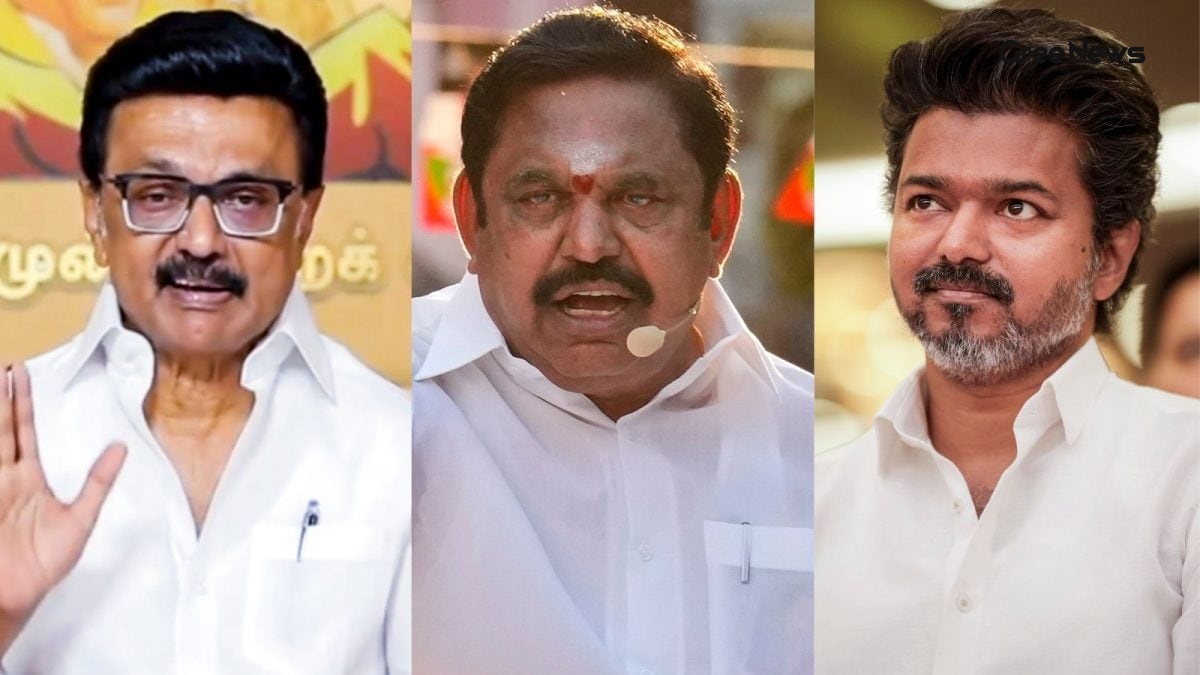
Kolathur, the seat of Chief Minister MK Stalin, has turned into a personal showdown for him. Every time I read a piece about Kolathur, I get the feeling that the whole state is watching MK Stalin's performance like a live cricket match. The constituency is a microcosm of Chennai's aspirations young professionals, middle‑class families, and a sizable student population.
MK Stalin's campaign is all about the welfare schemes his government rolled out free bus passes, water projects, and the recent upgrade of public schools. At the same time, critics keep pointing out the traffic snarls at Parry’s Corner and the lack of affordable housing. This clash between achievements and challenges makes Kolathur a must‑watch seat, and many online threads are already calling it "the eye of the storm" for the upcoming election.
People I know in the area say they are looking for concrete results, not just promises. If MK Stalin can convince them that the city’s problems are being tackled, the DMK will get a big morale boost. If not, the AIADMK and even the BJP could make inroads.
Edappadi Edappadi K. Palaniswami’s stronghold
Moving away from the capital, Edappadi has always been the AIADMK heartland, and Edappadi K. Palaniswami is the man to watch there. He has been the face of AIADMK in the western districts for years, and his personal connection with the voters runs deep. In the last conversation I had with a farmer in Edappadi, he mentioned that Edappadi K. Palaniswami’s visits to the paddy fields were a key reason why the AIADMK still feels close to the people.
However, the BJP is quietly working its way into the region, citing development projects and industrial growth. The AIADMK’s biggest worry is whether Edappadi K. Palaniswami can retain his grip amid these new narratives. A lot of people are curious to see if the AIADMK can hold onto its core base or if the BJP’s “India updates” narrative will start to resonate.
What I find interesting is how much the local issues irrigation water, farm loan waivers, and road conditions dominate campaign speeches. It’s not just about party symbols; it’s about everyday life.
Chepauk‑Thiruvallikeni Udhayanidhi Stalin’s arena
Chepauk‑Thiruvallikeni is another key constituency where the DMK places a lot of hope. Udhayanidhi Stalin, the son of MK Stalin, is contesting from here, and the seat has become symbolic of the second‑generation leadership within the DMK.
Udhayanidhi Stalin has tried to blend his film industry fame with political activism. He frequently talks about youth empowerment, digital literacy, and cultural projects. Yet, there’s also a sense of scepticism among some senior voters who wonder if glamour can replace grassroots work.
The rivalry here is intense, and the seat is seeing multi‑cornered battles with AIADMK and BJP candidates also in the fray. This three‑way contest is a perfect example of how viral news pieces are highlighting the clash of personalities and policy promises.
Chennai’s hot seats Anna Nagar, Thousand Lights, Egmore, Harbour
Chennai as a whole has turned into a chessboard. Seats like Anna Nagar, Thousand Lights, Egmore and Harbour are seeing fierce, often multi‑cornered contests. When I walk down the bustling streets of Anna Nagar, I hear heated debates about the new metro line and the lack of Green spaces. In Harbour, fishermen talk about the impact of over‑fishing and pollution.
Traffic congestion, water logging after monsoons, and the shortage of affordable housing are the top concerns spilling over into the political arena. The DMK, AIADMK and BJP are all trying to tailor their messages to address these issues. In many local WhatsApp groups, you’ll see people sharing breaking news about party rallies and candidate speeches, turning everyday chit‑chat into a mini‑campaign.
What’s more, the younger crowd is leaning heavily on social media for updates, making the election a trending news India topic on platforms like Twitter and Instagram. That digital buzz has even pushed some traditional party workers to start their own YouTube channels to reach voters directly.
Western Tamil Nadu Coimbatore and Salem
Coimbatore and Salem have always been AIADMK’s backyard, but the 2026 election could shift that balance. In Coimbatore, the Left parties have seen a steady decline, creating a vacuum that the BJP is eager to fill. The AIADMK’s traditional stronghold is now being challenged by the BJP’s emphasis on industrial development and smart city projects.
When I visited Coimbatore last week, shop owners kept mentioning the need for better infrastructure and connectivity to boost trade. The DMK, on its part, is focusing on public health and education reforms, trying to make inroads with the middle class.
Salem, meanwhile, is a mix of industrial hubs and agrarian communities. The AIADMK’s messages about farm loan waivers are resonating, but the BJP’s promise of new factories is also gaining traction. The local elections here could give a clear picture of how the voters are balancing economic aspirations with traditional concerns.
Central belt Tiruchirappalli East
Tiruchirappalli East has become a spotlight in the central belt, largely because of the potential entry of high‑profile candidates and the shifting caste equations. The constituency has a diverse electorate from engineers working in the IT parks to farmers on the outskirts.
The DMK is pushing its narrative of inclusive development, while the AIADMK is emphasizing local employment generation. The BJP, however, is trying to attract the youth with its digital India agenda. The interplay of these strategies makes Tiruchirappalli East a fascinating case of how national narratives intersect with local realities.
One of my friends from Tiruchirappalli told me that the conversation at the tea shops now revolves around whether the new candidates can really deliver on promises or if they are just riding the wave of viral news.
Southern swing seats Srivilliputhur and Sattur
In the south, Srivilliputhur and Sattur are being watched closely because they can swing the overall tally. The caste alignments here have been fluid, and recent alliances are reshuffling the voter base.
In Srivilliputhur, the DMK is banking on its welfare schemes for the SC/ST communities, while the AIADMK is focusing on agrarian relief. The BJP is also trying to make a dent by promoting its national development agenda. Sattur, on the other hand, has a fairly balanced mix of industrial workers and agricultural laborers, making it a classic battleground where every vote counts.
People I met in these towns shared that the upcoming election feels like a community event houses are being painted, banners are put up, and the local radio stations keep playing campaign jingles. The energy is palpable, and you can sense that the results here could tip the scales.
TVK and Vijay the wild card
Adding a fresh twist to the whole script is actor‑turned‑politician Vijay, who is leading Tamilaga Vettri Kazhagam (TVK). Vijay’s possible entry in constituencies such as Virugambakkam or Tiruchirappalli East could turn the tide for traditional vote banks.
When I watched Vijay’s recent rally on YouTube, his charisma was undeniable. He talked about clean governance, youth employment, and a promise to bring “real change”. Even though TVK is still a newcomer, the buzz around it is turning into viral news many are speculating how much of a dent it can make.
What’s interesting is that the BJP and AIADMK have already started strategising how to counter a potential TVK impact. That's why you see headlines in breaking news describing the “TVK factor” as a decisive element for the upcoming election.
Overall picture a complex, tightly‑fought battle
All in all, the 2026 Tamil Nadu Assembly election is shaping up to be a complex, closely fought battle involving the big regional players, national parties, and a few fresh challengers. The constituencies I mentioned Kolathur, Edappadi, Chepauk‑Thiruvallikeni, the Chennai seats, Coimbatore, Salem, Tiruchirappalli East, Srivilliputhur, Sattur, and the TVK‑targeted areas are the ones that will most likely decide who forms the next government.
What I’m really curious about is how the voters will balance their immediate concerns traffic, water, jobs with the broader narratives each party is pushing. With the election being a hot topic in the latest news India and viral news across platforms, the outcome will likely set the tone for Tamil Nadu’s political landscape for the next five years.
Stay tuned, because as more candidates file their nominations and the campaign intensifies, you’ll see even more twists and trust me, the next development might just be the most unexpected one yet.