Why I started paying attention to the blackout drills
Honestly, I never gave much thought to these government‑run drills until a friend from Anantnag pinged me about an upcoming exercise. He said the whole neighbourhood was buzzing about a civil defence air‑raid mock that would happen in the evening. I thought, “Just another routine thing.” But then I heard that the same kind of drill was also being set up in Punjab, and suddenly it felt like a piece of breaking news that might actually affect everyday life. So, I decided to dig a little deeper and share what I learned especially because the whole exercise could show up in the next wave of trending news India feeds.
What’s actually being planned in Anantnag and Ganderbal
The district magistrate’s office released a notice outlining the schedule. First, a civil defence air‑raid mock will be carried out around mid‑afternoon. Then, just a few hours later from about eight to eight‑fifteen in the evening a blackout drill will kick off. Both districts will follow the same timing, with Ganderbal also hosting a separate air‑raid mock at around two‑thirty in the afternoon before the evening blackout.
What’s interesting is that the drill isn’t just about flipping a switch. Participants will be asked to turn off all lights in their homes, set up safe routes especially for elders and kids, and listen carefully to any instructions that come over the public address system. The idea is to make sure that everybody from school children to market vendors knows exactly what to do when the lights go out unexpectedly.
And trust me, the authorities have taken care to keep essential services like hospitals and water supply running during the simulated blackout, which adds a layer of realism without causing actual disruption.
Punjab’s part in the story a parallel drill
This simultaneous rollout across two far‑apart states made the news go viral on social media, with people sharing pictures of streetlights being turned off briefly and posting videos of volunteers guiding crowds. It felt like the kind of viral news that spreads fast on platforms like Twitter and Instagram, especially when people see familiar landmarks momentarily dark.
What the drills actually involve beyond just the lights
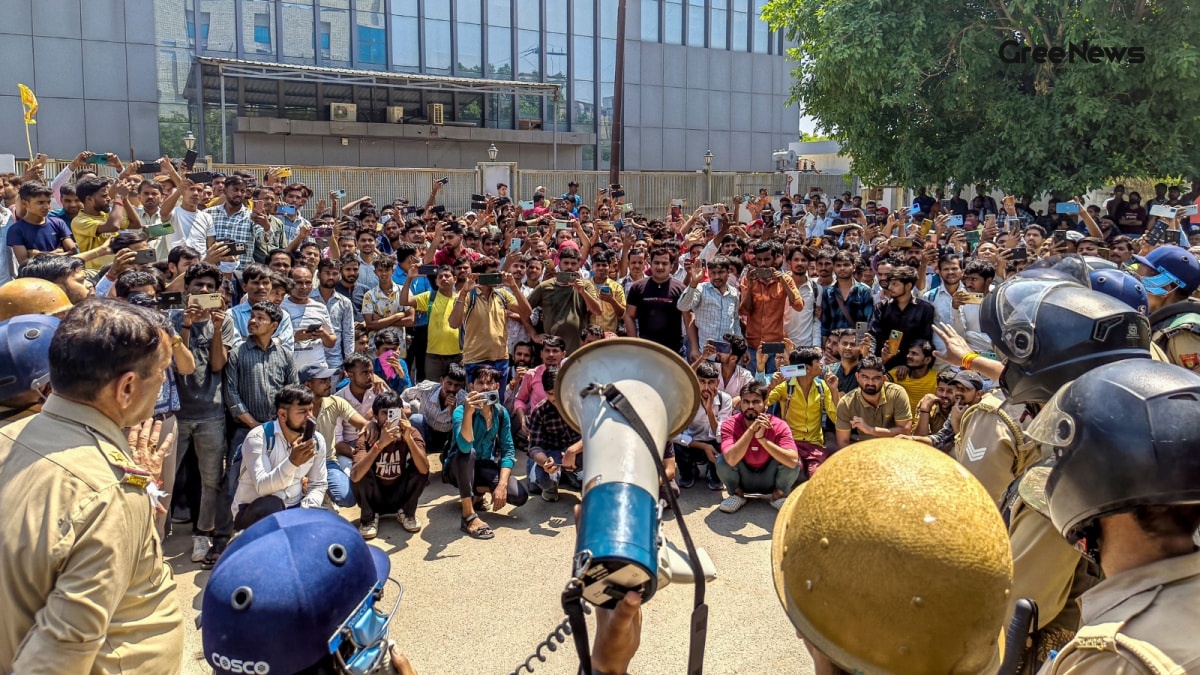
Both the J&K and Punjab exercises are more than just about darkness. The mock drills will also feature symbolic rehearsals of firefighting, search‑and‑rescue, first‑aid, and even transportation of the injured. Authorities have set up mock traffic control points to test crowd‑management skills. Volunteers dressed in civil defence uniforms will demonstrate how to handle a fire, how to locate a safe exit, and how to provide basic medical aid until professional help arrives.
From what I gathered, these activities are choreographed to mimic a real emergency without actually putting anyone in danger. For example, a mock rescue team might pretend to pull a ‘victim’ from a collapsed wall, while nearby volunteers practice bandaging a wound. The whole setup is meant to make the community comfortable with the sounds, sights, and procedures that could happen in an actual crisis.
During the drill, essential services like the local police station, hospitals, and electricity supply stay fully operational. This continuity helps reassure the public that even if a real blackout occurs, critical support will still be there.
Why these drills matter a personal take
Living in a city where power cuts are sometimes a part of life, I’ve learned the hard way the importance of having a plan. The last time a sudden outage hit my neighbourhood, I was scrambling for candles, and my elderly neighbour was left confused and scared. That memory is still fresh, and it made me realise why the government is pushing these mock drills now.
In most cases, people think that a blackout is just an inconvenience, but the drills aim to show that it can be the first sign of something larger like an air‑raid, a natural disaster, or a cyber‑attack that knocks out the grid. By rehearsing the response, the administration hopes to cut down on panic and ensure that everyone knows the safest way out.
What happened next is interesting after the notice went out, many local schools organized brief sessions with students, teaching them how to use flashlights, how to stay together, and how to call emergency numbers. Even shop owners were told to keep a small stock of batteries and torches, just in case.
Looking back past drills and their impact
It’s not the first time such exercises have been held. About a year ago, similar drills took place in both Punjab and Jammu & Kashmir ahead of a major anti‑terror operation known as Operation Sindoor. Those drills happened in May, just before the operation launched in response to a serious terror attack that had shaken the nation. The drills served as a rehearsal for the security forces and also sensitised civilians to follow strict protocols.
Later, on a different occasion, mock drills were organised across six border states Jammu & Kashmir, Punjab, Rajasthan, Gujarat, Haryana, and Chandigarh as part of what was called Operation Shield. The goal then was to assess and strengthen India’s overall preparedness against possible external threats. Though the specifics of those drills differed, the core idea remained the same: make sure the public and the administration are on the same page when a real emergency knocks on the door.
Many people were surprised by how smoothly those past drills were executed, and the feedback loop helped improve the next round of exercises. That’s why the current drills feel like a continuation of a larger, ongoing effort to keep India safe.
How you can be ready practical tips
If you’re reading this as a regular citizen, here are a few simple steps you can take, inspired by what I learned from the official notices and from talking to a few locals:
- Keep a small flashlight or a battery‑powered torch near your bedside. It’s a tiny investment that can make a big difference.
- Prepare a safety route in your house, especially if you have elderly parents or young kids. Make sure the path is clear of obstacles.
- Teach your family the basic first‑aid steps how to stop bleeding, how to perform CPR, and how to call emergency services.
- Stay tuned to local news channels for any drill announcements. Often, the local administration will broadcast a reminder a few hours before the drill starts.
- During the drill, follow the instructions given by the volunteers. If they ask you to turn off lights or stay indoors, do it without hesitation it helps the exercise run smoothly.
These tiny actions not only make you prepared for the mock drill but also for any real emergency that could arise later.
What the community is saying reactions on the ground
On social platforms, the reaction has been a mix of curiosity and appreciation. Some youngsters posted videos of streetlights flickering off, captioning it as a “mini‑experiment” that gave them a glimpse of life during a power cut. Others expressed concern, asking whether the drills could cause panic among those who are not aware of the schedule.
Local officials have tried to address that by putting up notices in marketplaces, schools, and on bus stops. They also broadcast warnings through community radio, reminding people that the blackout will be brief around fifteen minutes and that essential services will stay active. Many residents said they felt more confident after hearing the drills were designed to be safe and that there would be no real danger.
It’s also worth noting that the drills have spurred a small wave of community spirit. Neighbours are checking on each other, especially the elderly, to make sure they have enough candles and a clear path to move around. In that sense, the exercise has turned into a kind of social bonding event, which is a pleasant side effect.
Final thoughts why this matters for all of India
When you step back and look at the bigger picture, these blackout mock drills are part of a larger push to keep the country resilient. From the hills of Anantnag to the plains of Punjab, the message is the same: be prepared, stay calm, and follow the guidelines. Whether it’s a temporary power outage or a more serious crisis, the drills aim to embed a culture of readiness that can save lives.
For anyone following the latest news India feeds, this story might seem like another routine notice, but the fact that it’s being covered as breaking news shows how seriously the authorities are taking public safety. If you haven’t already, keep an eye out for any official announcements in your area you never know when the next drill might be scheduled, and a little preparation can go a long way.
So, the next time the lights flicker off for a few minutes, remember it’s probably just a drill and that you’re now a little better equipped to handle it, thanks to the effort of civil defence teams and the community’s willingness to learn.