Why the Gulf Standoff Matters to Your Kitchen
Honestly, when I first heard about the US‑Iran clash, I thought it was just another geopolitical headline that would stay far away from my daily life. But then I started hearing the same breaking news on every channel talks about oil prices, shipping delays, and suddenly, a friend from Delhi texted me saying tomatoes were up by 35 per cent. That’s when I realised the conflict was creeping into the latest news India feeds about our grocery bills.
FAO Chief Economist Maximo Torero told the news agency ANI that tanker traffic through the Strait of Hormuz has slumped by more than 90 per cent after Iran blocked the key shipping route. The Strait is the main artery for fertilizers that keep our fields fertile. With that route effectively closed, India which imports roughly 35 per cent of its fertilizers from the Gulf faces a sudden spike in import costs. It’s a classic case of a distant war turning into a local problem, and it’s already showing up in grocery aisles across the country.
Rising Food Prices: The Numbers Behind the Panic
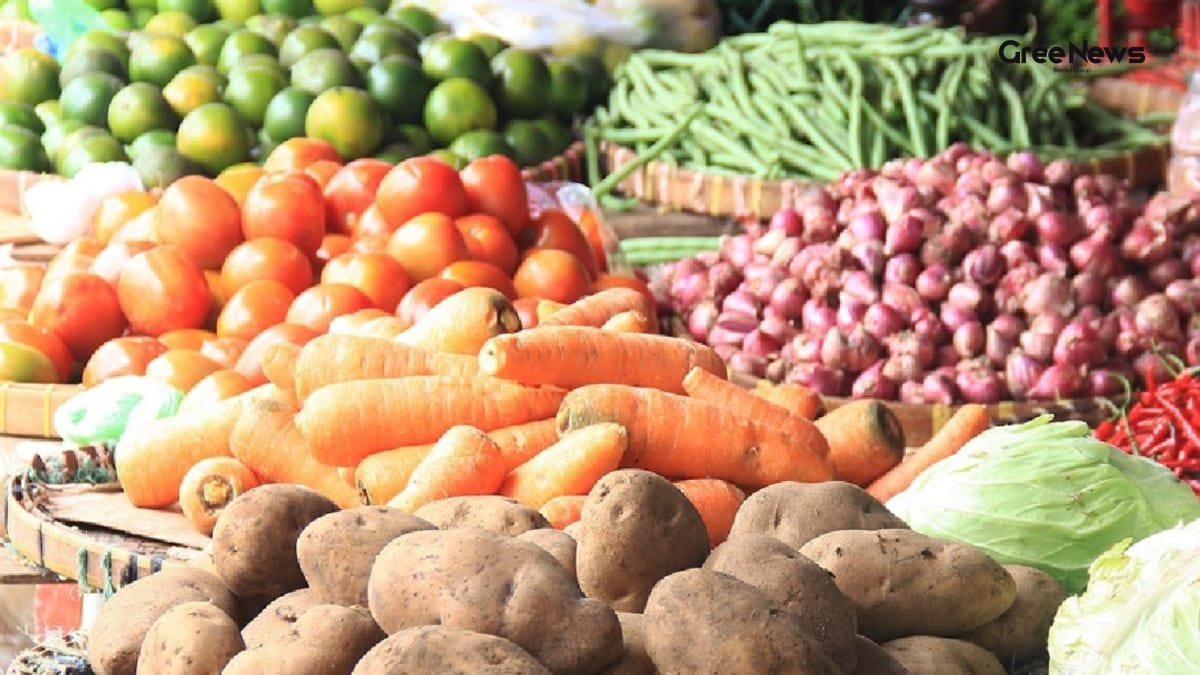
India’s retail food inflation hit 3.87 per cent recently, and the price tags on tomatoes and cauliflower have jumped by 34‑36 per cent year‑on‑year. If you’re like me, you’ve probably noticed the extra rupee or two at the checkout when you pick up a bag of onions. Economists warn this jump is just the beginning the Gulf bottleneck could push food prices even higher in the second half of the year.
What’s happening is simple yet worrying: higher fertilizer costs mean higher production costs. Farmers have to spend more on inputs, and that extra expense gets passed on to the consumer. Add to that the rising fuel prices that affect irrigation, transport, and storage, and you get a perfect storm for trending news India readers who love to spot price hikes early.
What happened next is interesting the government’s $18.6 billion fertilizer subsidy is there, but it’s not a magic bullet. Even with the subsidy, the fiscal strain is growing, especially if the conflict drags on and the monsoon turns below normal, which could further cut yields.
Fertilizer Imports: The Hidden Cost of a Blockade
Let’s talk about fertilizers for a minute. India uses about 120 kg of nitrogen per hectare, which is a lot compared to many other countries. When the Strait of Hormuz is blocked, the price of nitrogen‑based fertilizers has already leapt by 50‑80 per cent. That’s a huge jump for a commodity that’s essential for wheat, rice and a whole lot of veggies.
On top of that, domestic fertilizer plants are running at only about 60 per cent capacity. Why? The government capped natural gas allocation at 70 per cent of historical averages under emergency rationing orders. So even our local producers can’t keep up with demand, and that shortfall pushes us to rely even more on costly imports.
From a personal angle, I remember my uncle, who owns a small farm in Uttar Pradesh, complaining that the packets of urea they get now cost almost double what they used to a few months back. He said the extra expense makes it harder to afford the right amount of fertilizer, and any cutback could slash his wheat yield. That’s a story echoed by many across the country a direct line from the Gulf blockade to a farmer’s profit margin.
Government Subsidy: A Band-Aid or a Lifeline?
The Centre’s $18.6 billion fertilizer subsidy is one of the biggest support schemes for agriculture. It does help keep prices from soaring too quickly, but Maximo Torero pointed out that each extra tonne of fertilizer purchased at crisis prices adds directly to that subsidy bill. In other words, the more we have to import at higher costs, the bigger the fiscal hole.
Many of us have seen the headlines about the subsidy being a saviour, but there’s a flip side the fiscal pressure on the budget is mounting. If the conflict continues, the government might have to stretch its finances further, possibly affecting other sectors like education or health. It’s a classic case of one crisis feeding another.
People in my neighbourhood started talking about the possibility of increased taxes on fuel or even changes in the public distribution system. While these are just conjectures, they illustrate how a prolonged Gulf conflict could ripple through everyday life in ways we don’t instantly see on the viral news feed.
Monsoon Woes: A Double Whammy for Crops
Adding to the fertilizer issue is the looming risk of a below‑normal monsoon. Torero mentioned a 60 per cent likelihood of weaker rains this year. In most parts of India, the monsoon is the lifeline for crops especially for rice, which is heavily dependent on water.
If rainfall falls short, yields could dip, and that would tighten supply just when prices are already creeping up. Imagine a farmer who already faces higher fertilizer bills now dealing with a poor harvest the impact on income could be severe.
During my last visit to a farmer’s market in Pune, a vendor told me that his rice fields were not getting enough water this season, and he’s worried about the upcoming harvest. He mentioned that if the monsoon continues to be weak, he might have to sell his produce at lower prices, which would affect his ability to buy inputs next year. That’s the sort of on‑ground reality that makes the macro‑level data feel personal.
What Happens Next? Scenarios for Farmers and Consumers
If the Strait of Hormuz reopens within 60 days, Torero believes India could absorb the shock within three to four months. That would mean a short‑term price bump but a relatively quick return to normalcy. Many of us hope for that scenario it’s the “best‑case” we’ve been hearing about in the latest news India cycles.
However, if disruptions linger beyond 60 days, the effects become severe. Higher fuel costs would raise irrigation and transport expenses, while fertilizer shortages could lead to lower yields. The result? Bigger food inflation, a rise in overall inflation, and a chance of stagflation high inflation paired with low growth.
From a consumer’s perspective, that could mean the price of a kilogram of wheat flour climbing noticeably, and seasonal vegetables becoming a luxury for many families. I recall my aunt mentioning that she’s already budgeting extra money for her monthly grocery shop, fearing the next price hike.
Global Outlook: A Wider Economic Ripple
FAO’s global projections are sobering: worldwide household welfare could stay about 1.45 per cent lower, and food consumption may be roughly 0.94 per cent below the baseline, even without a full recovery by the end of the decade. That’s a big picture view of how a regional conflict can affect food security everywhere, including us.
What’s more, the overall reduction in economic growth could be around 1.7 per cent, leading to a stagflation scenario. In such a climate, both the rich and the middle class feel the pinch it’s not just a farmer’s problem, it’s everyone’s.
Many people were surprised by this the idea that a “foreign” war could end up influencing the price of a simple bowl of dal in a middle‑class household. It’s the kind of viral news that spreads fast on social media, sparking debates about self‑reliance and the need for a stronger domestic fertilizer industry.
Bottom Line: What Can We Do?
While the macro‑level factors are largely out of our hands, there are small steps we can take. Supporting local markets that source from nearby farms can reduce the transport chain length. Keeping an eye on government schemes that provide subsidised seeds or fertilizers can also help.
On a personal note, I’ve started buying a bit more seasonally opting for carrots and leafy Greens that grow well in the current climate rather than waiting for out‑of‑season imports that can be pricey. It’s a tiny adjustment, but when many do it, it adds up.
In short, the Gulf conflict is not just a headline; it’s a trending news India story that could touch every grocery bag we carry home. Staying informed, being flexible with our food choices, and understanding the bigger picture can help us navigate the uncertainty ahead.
(with inputs from ANI)