Why I’m curious about the 2026 Tamil Nadu polls
Honestly, I never thought I’d be that person who follows every state election like a TV series, but the buzz on the streets has been impossible to ignore. My uncle in Coimbatore keeps sending me WhatsApp forwards about the latest rallies, and my neighbour in Chennai just yesterday was debating the merits of the DMK alliance over chai. It feels like every conversation these days has an undercurrent of “who’s going to win?” a classic piece of breaking news that’s turned into our daily chatter. As someone who grew up watching the political drama unfold, I decided to keep a notebook and jot down what I hear from the ground. What happened next is interesting: the stories from my friends in northern districts are starkly different from those in the western belt.
DMK’s stronghold in northern Tamil Nadu and Chennai
When I traveled to the suburbs of Chennai last week, the vibe was unmistakably pro‑DMK. The local party office had colourful banners, volunteers handing out flyers, and a chorus of slogans echoing from every corner. Even the auto‑rickshaw drivers were reciting the party’s achievements a clear sign that the alliance’s organisational muscle is still humming strong. In the north, districts like Kanchipuram and Vellore have historically leaned towards the DMK, and that trend hasn’t shifted much. The alliance’s tie‑ups with the Congress and Left parties add an extra layer of credibility, especially among urban voters who value coalition stability.
What’s more, the DMK’s social welfare programs seem to be resonating with the middle‑class families who have migrated to the city for work. My friend Ramesh, who runs a small IT consultancy near Guindy, told me that his employees often talk about the government’s free bus scheme and the recent educational grants both of which have become talking points in office corridors. This kind of grassroots endorsement, coupled with the party’s strong urban network, gives the DMK a noticeable edge in the bustling heart of the state.
From a trending news India perspective, many analysts are pointing out that the DMK’s grip on the Delta region areas like Thanjavur and Nagapattinam is also tightening. These are places where agriculture plays a huge role, and the party’s promises of better irrigation have struck a chord. In most cases, farmers here are seeing the DMK’s promises as a lifeline, which translates into a more enthusiastic voter base. All of this adds up to a solid foundation for the ruling alliance as the election day draws near.
AIADMK’s reliance on the Kongu belt
Switching gears to the west, I spent a rainy afternoon in Coimbatore, chatting with a tea seller named Mani. He proudly displayed his AIADMK badge and talked about the party’s deep roots among the Kongu community. The western belt covering Coimbatore, Salem, Erode and parts of Tiruppur has always been an AIADMK stronghold. Here, the party’s grassroots structures are still buzzing with activity, and there’s a palpable sense of loyalty that dates back to the charismatic leadership of the late J. Jayalalithaa.
The AIADMK’s strategy seems clear: double‑down on its traditional base, leverage community ties, and push for development projects that matter to the local fabric like industrial parks in Tiruppur and better road connectivity in Salem. Many residents I spoke to mentioned that the party’s welfare schemes for small business owners have been a major plus. In my conversation with Mani, he emphasised that when you see your neighbour’s shop get a loan waiver, you remember who has helped you and that memory shapes voting decisions.
Even though the AIADMK faced setbacks in the previous election cycle, the party’s presence in the Kongu belt remains robust. The upcoming battle for the “120‑130 seats likely to see a direct DMK‑AIADMK contest” will heavily depend on how well the AIADMK can mobilise its base in these districts. The party’s local leaders are now touring villages, holding house‑to‑house meetings, and using social media to spread their message a blend of traditional outreach and modern tactics that feels like a genuine, if slightly desperate, attempt to retain relevance.
Southern Tamil Nadu a mixed bag of loyalties
Moving down south, the picture gets a bit muddier. I visited Madurai during a local festival, and the streets were abuzz with both DMK and AIADMK supporters. The city’s historical leaning towards the AIADMK has softened, with younger voters showing openness to the DMK’s development narrative. A group of college students near the Meenakshi Temple were debating the two parties over a game of cricket a micro‑cosm of the larger electoral tussle.
In semi‑urban areas like Sivaganga and even some parts of Tirunelveli, you can see a clear “swing” effect. Both parties have been pushing hard, offering promises ranging from new hospitals to better irrigation, and the electorate seems to be weighing each option carefully. This is where viral news spreads like wildfire a single promise can become the talk of the town after a short video runs through WhatsApp forwards.
What’s interesting is that many families I spoke with mentioned that they are not just voting based on party loyalty but also on the quality of local candidates. In most cases, an energetic, well‑known Panchayat leader can sway a constituency more than a distant state‑level icon. This personal connection adds a layer of unpredictability that could tilt the balance in a few crucial seats.
Direct contests the 120‑130 hot seats
Experts are saying that about 120 to 130 constituencies will witness a direct face‑off between the DMK and the AIADMK a scenario that makes elections feel more like a series of duels rather than a single war. I mapped these seats out on my laptop, and many of them fall in the semi‑urban belt where both parties have a decent foothold. The competition here is intense; rallies are larger, slogans louder, and the margins of victory could be razor‑thin.
One such constituency I visited Kallakurichi had both parties holding simultaneous street meetings. The DMK volunteers handed out free ration kits, while the AIADMK cadre showcased newly built community centres. The crowd was split almost evenly, and I could sense a palpable tension in the air. It reminded me of a cricket match where the final over decides the winner every run (or vote) matters.
From a latest news India angle, these battleground seats are being reported heavily on regional news channels, making them a hotspot for India updates. The narrative is shifting from state‑wide predictions to constituency‑level analysis, which adds a granular level of excitement for voters and analysts alike.
Campaign intensity on the ground
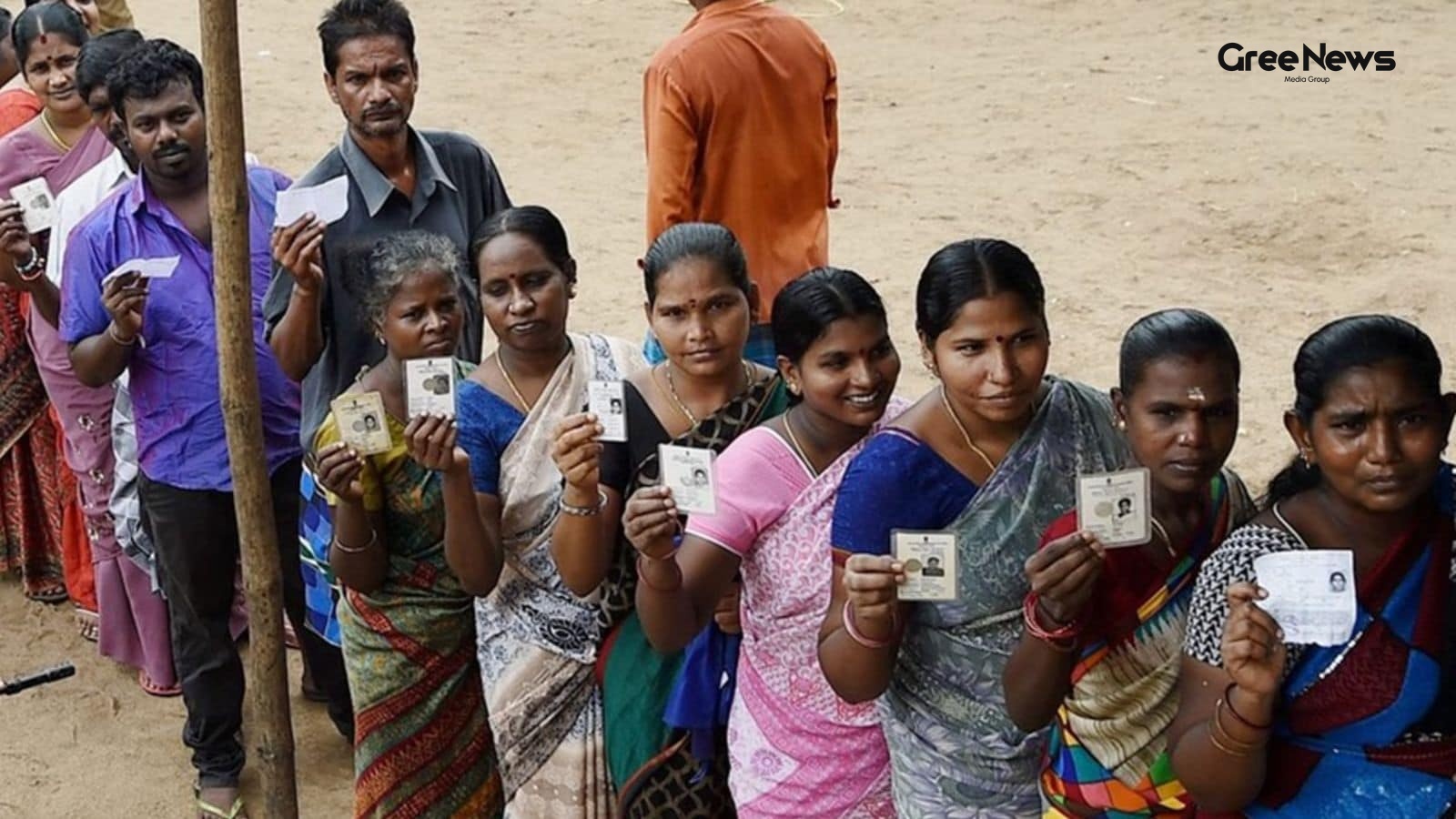
As the campaign season hits its peak, the ground‑level dynamics are becoming the real story. I’ve seen AIADMK volunteers setting up colourful stalls with free mangoes in Salem, while DMK workers are organising eye‑catching flash mobs in Chennai’s Marina Beach. Both sides are trying to out‑do each other, and the public’s reaction is something you can’t gauge from television alone.
What caught people’s attention this week was a surprise rally by a senior DMK leader in a small village near the Cauvery delta. The whole village turned up, and the atmosphere turned festive. Many locals said that the leader’s promise to improve water supply was the main reason they felt hopeful. On the flip side, AIADMK’s sudden announcement of a new industrial park in a Kongu village sparked a wave of optimism among the youth, who see job opportunities as a game‑changer.
These on‑the‑spot developments are turning ordinary news into viral news that spreads faster than any official press release. People are sharing short video clips on social media, and the hashtags are trending in regional language forums, making the whole election feel like a live, interactive saga.
Potential swing factors
Looking ahead, a few factors could swing the election in unexpected ways. First, the performance of the DMK government in delivering on its promises especially in education, health and unemployment will be under intense scrutiny. Second, the AIADMK’s ability to reinvent itself beyond its traditional base, perhaps by courting younger voters and women, could shift the dynamics in the west.
Another interesting element is the role of third‑party alliances and independent candidates. In some districts, a strong independent can act as a spoiler, splitting votes and changing the final tally. I remember a similar scenario in the 2021 elections when an independent candidate in a coastal constituency drew enough votes to tilt the result in favour of the DMK.
Finally, weather and unforeseen events could also play a part. Monsoon delays, local festivals, or even a sudden health scare can affect voter turnout. In most cases, higher turnout favours the ruling alliance, but that’s not a hard‑and‑fast rule. The unpredictability keeps the election atmosphere electric.
What this means for the future
All this makes me think that the 2026 Tamil Nadu assembly election won’t just be a repeat of past battles. It’s turning into a nuanced contest of regional strengths, community connections, and the ability of each party to adapt to changing voter expectations. For the average citizen, the vote feels more personal it’s about who will bring a new school to the village, who will ensure clean water in the hometown, or who will give a job to the local youth.
As the final weeks approach, I’ll be keeping an eye on my WhatsApp groups, listening to the street chatter, and maybe even writing a few more notes. The story that’s unfolding feels like a blend of politics, drama, and everyday life a true reflection of how Indian elections are lived by the people, not just reported on TV. Whatever the outcome, the ground‑level dynamics we’re witnessing now will surely shape the political map of Tamil Nadu for years to come.
Stay tuned, because the next chapter in this electoral saga is just around the corner, and you never know which twist will surprise us all.