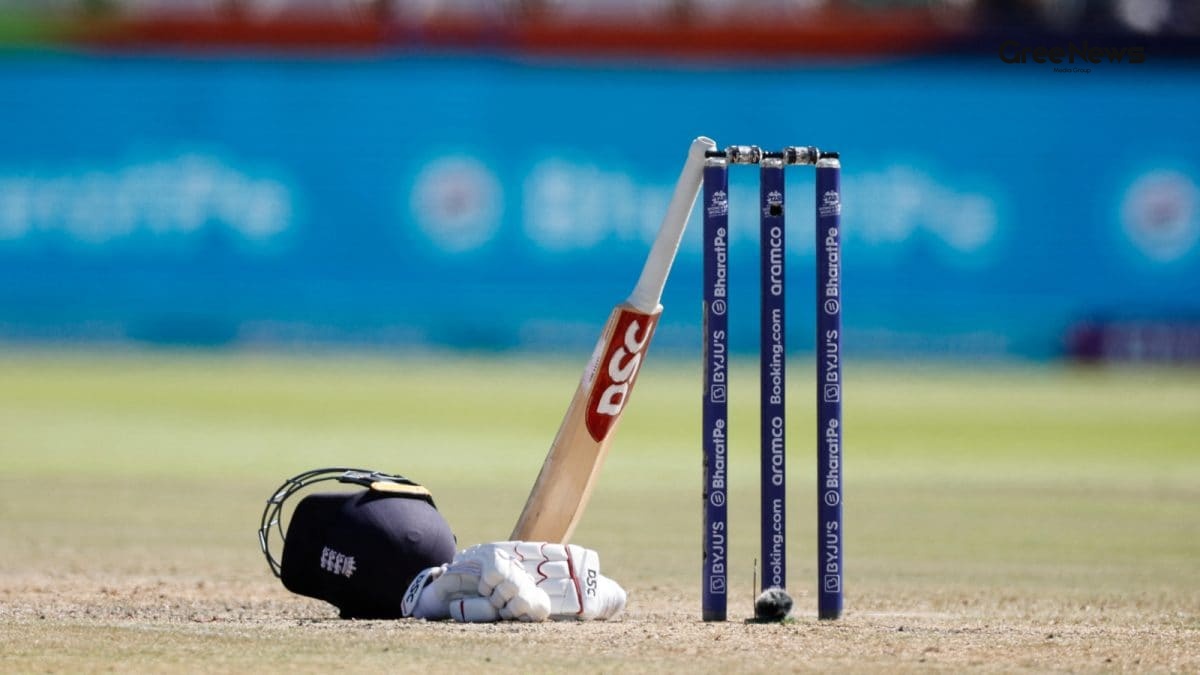
By integrating elite cricketers into its national fabric, the UAE aims to engage the vast South Asian diaspora both politically and economically
Honestly, when I first heard that the UAE was giving out passports to a handful of overseas cricketers, I thought it was just another piece of breaking news India reads every morning. But the more I dug into it, the more I realised this wasn’t just a headline it was a strategic shift that could reshape the whole soft‑power game in the Gulf.
In simple terms, the Emirates Cricket Board (ECB) handed Emirati passports to five top‑class players. This move instantly tears down the International Cricket Council (ICC) three‑year residency rule that used to keep these talents in a waiting room. Earlier, even if a player was performing like a star, the ICC would force the UAE to wait three years before they could officially represent the national side. With citizenship, those players qualify immediately. That means the UAE can now build a strong team much faster, and it also signals to the world that the country is serious about becoming a cricketing super‑power, not just a regional participant.
What caught people’s attention was how this citizenship policy is linked to the post‑Qatar diplomatic crisis. After that episode, Gulf states, especially the UAE, realised they could no longer rely only on oil revenues or military clout. Diversifying influence became the name of the game. While Qatar keeps flaunting its World Cup legacy and Saudi Arabia pushes Vision 2030, the UAE is busy crafting a new identity one that places sports, entertainment and culture at the centre of its international outreach.
The Soft‑Power Angle: More Than Just Cricket
From my perspective, watching a friend from Delhi who now works in Dubai talk about the new policies gave me a real‑life feel of the strategy. He told me that the government’s plan isn’t merely about winning matches; it’s about creating a permanent workforce of talent that feels at home in the UAE. By offering citizenship, the Emirates Cricket Board (ECB) is turning the country into a sanctuary for global sports professionals. This ensures that once a player finishes a contract, they don’t just pack their bags and head back they stay, invest, influence, and maybe even bring in more fans from their home countries.
Security and intelligence analysts have started describing this as a “non‑military influence ecosystem.” Think about it you have a massive South Asian diaspora living and working in the UAE. If those people see their cricket heroes becoming Emiratis, it creates an emotional bond that goes beyond economics. It subtly nudges the diaspora to view the UAE not just as a place of employment, but as a nation they can support politically and culturally. In most cases, that kind of soft‑power is more sustainable than any military or oil‑based strategy.
How the Policy Works on the Ground
Let me break it down the way I would explain to a mate over chai. First, the Emirates Cricket Board (ECB) identifies players who have shown consistent performance in leagues across the world, especially those with South Asian roots. Then, after a confidential vetting process, the UAE government grants them Emirati passports. With those passports, the players can be named in the national squad instantly no waiting period, no paperwork delays.
This immediate eligibility has a domino effect. The UAE can now field a side that competes more fiercely in ICC tournaments, attracting sponsorships, broadcasting deals, and fan interest from across the sub‑continent. The increased visibility also fuels the country’s tourism sector think of cricket‑loving fans flying in for matches, staying in hotels, eating at restaurants, and spending money locally.
That’s why you’ll often hear this story surfacing as trending news India or viral news because it hits a sweet spot: sports, migration, and national identity all wrapped into one.
Comparing the Gulf Rivals
If you look at the bigger picture, the UAE’s move is a clear response to its regional neighbours. Qatar has leveraged its 2022 World Cup legacy to become a sports hub, while Saudi Arabia is pouring billions into Vision 2030’s entertainment and sports programmes. The UAE, on the other hand, is taking a more surgical approach focusing on cricket, a sport that resonates deeply with the South Asian community that forms a large chunk of its expatriate population.
Many people were surprised by this because traditionally the UAE’s soft‑power tactics leaned heavily on finance and aviation, like Emirates airline. Now, by granting citizenship to cricketers, the UAE is showing that it can use cultural levers to win hearts. It’s a subtle but powerful form of influence that could tip the scale in future diplomatic negotiations, especially when those negotiations involve trade with India, Pakistan or Bangladesh.
What It Means for the Future of Cricket and the UAE
Imagine the next time you’re scrolling through the latest news India feeds and you see the UAE beating a traditionally strong cricket nation you’ll instantly recall this citizenship gambit. It could become a case study on how a small nation can punch above its weight by using sports as a diplomatic tool.
From where I stand, the move also sends a message to other sports bodies: if you want to attract talent, you need to think beyond salaries and contract lengths. A passport offers a sense of belonging that’s hard to match. For the players involved, it means stability, a chance to represent a nation on the world stage, and a pathway to settle in a country with world‑class infrastructure and tax benefits.
In most cases, such policies could inspire other Gulf countries to consider similar pathways, leading to a more competitive environment where talent is no longer a scarce resource but a shared asset.
Connecting the Dots with Cricket’s Biggest Festival The IPL
That’s why you’ll often see the UAE’s cricket developments pop up alongside IPL headlines it’s all part of the same ecosystem of sports, entertainment and soft‑power that the country is trying to master.