How I First Heard About the Urea Deal
Honestly, I was scrolling through my phone in the early morning, trying to catch up on the latest news India has to offer, when a headline about a massive urea purchase popped up. It was one of those breaking news alerts that makes you sit up straight ‘India to import record 2.5 million tonnes of urea at nearly double price.’ I thought, ‘Whoa, that’s huge!’ and immediately started wondering what that meant for the farmer next door, for the price of wheat in the market, and even for the little vegetable garden I maintain on my balcony.
What happened next is interesting: I dug a little deeper, read a few more articles, and even heard my neighbour in Delhi talking about how the cost of fertilizers has been climbing lately. That conversation sparked a chain of thoughts if the government is paying almost double, will that cost somehow trickle down to us? Will there be any relief announced later? These were the kind of questions that kept me hooked, and they’re the same ones many people across the country are asking right now.
The Core Facts No Fancy Talk, Just the Numbers
Let’s lay it out plain and simple. The government has decided to import 2.5 million metric tonnes of urea in a single tender. That’s a record volume for India, and it’s being bought at a price that is almost twice what the country paid just two months earlier. The reason given? Disruptions in global supply chains caused by the Iran conflict. Nothing else has changed the quantity is the biggest ever, the price is higher, and the motive is to keep the country’s agricultural sector humming.
In most cases, such a move is meant to ensure that the sowing season goes on without a hitch. The urea will be shipped to various ports, stored in depots, and then distributed to states as per the usual allocation formula. The government says it’s a precautionary step to avoid any shortage that could affect crop yields. It’s also being hailed as a move that aligns with India’s broader aim of securing food security for its massive population.
Why the Price Has Jumped A Quick Dive into the Iran Conflict
Now, the part that really caught people’s attention is the price hike. The Iran conflict has thrown a wrench into the global fertilizer market, especially for nitrogen‑based products like urea. When a major producer or a shipping route gets tangled in geopolitical tensions, the entire supply chain feels the pressure. Shipping costs go up, insurance premiums rise, and producers may start holding back inventory to hedge against uncertainty.
That’s basically why the government is paying more. It’s not just a case of the market being fickle; it’s a direct consequence of a distant conflict that has ripple effects on the cost of a product that most Indian farmers rely on for a good harvest. Many people were surprised by this connection they see the war on TV, but they don’t instantly link it to the price of the fertilizer bag they buy in the local market. This is the kind of viral news angle that makes the story spread quickly across social media platforms.
What It Means for Farmers From the Fields to the Kitchen
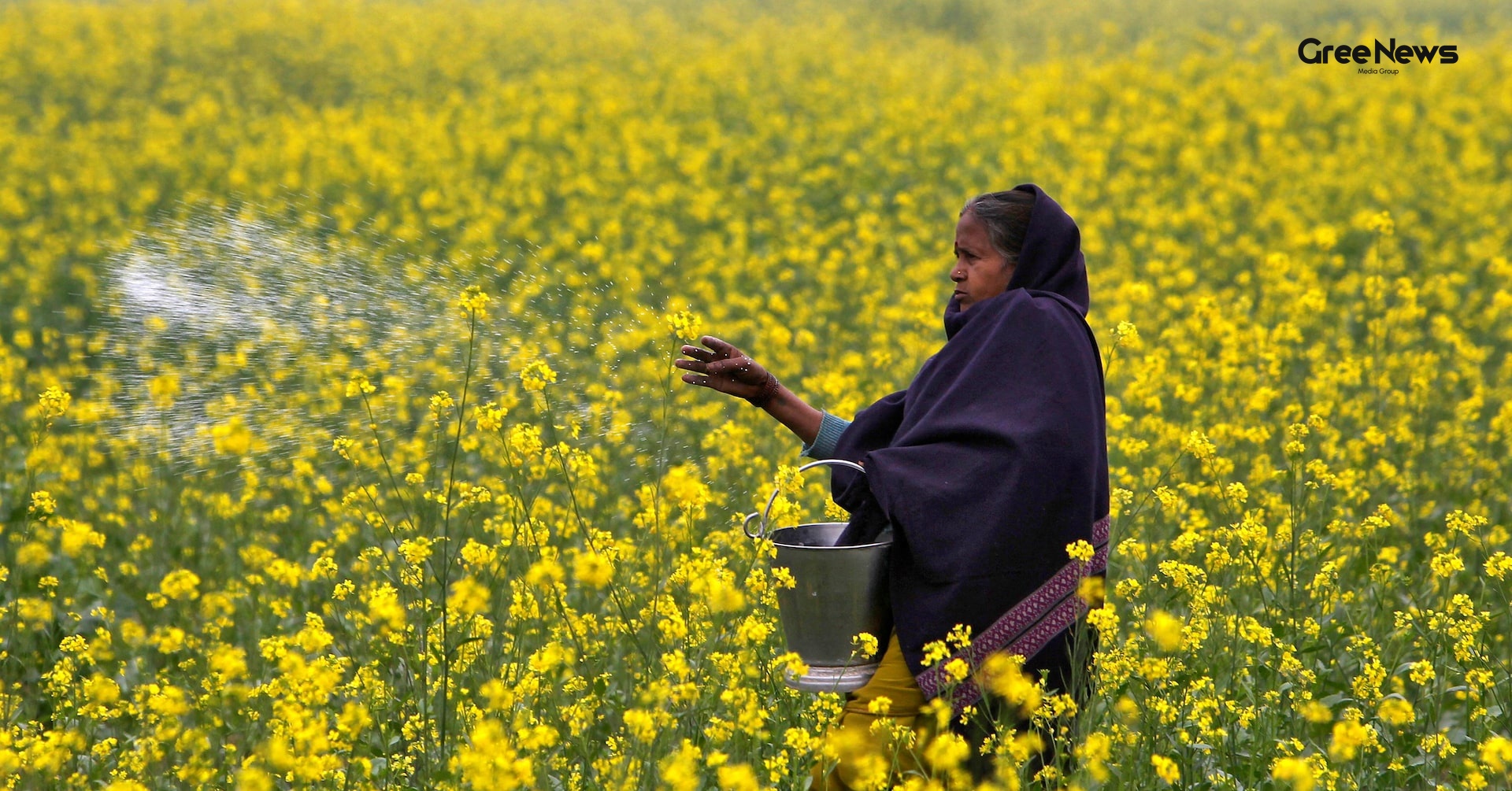
Speaking from personal experience, I know a few farmer friends from Madhya Pradesh and Punjab who have felt the pinch of rising fertilizer costs over the past few months. When the price of urea goes up, they either have to cut down on the amount they use or bear higher production costs, which can eventually push up the price of grains and vegetables at the market. That’s why this tender is such a hot topic in the agricultural community.
In most cases, the government’s intention is to stabilize supply so that farmers don’t face a sudden shortage during the crucial sowing window. However, if the cost of imported urea is nearly double, the subsidy burden on the exchequer goes up, and that could affect the level of subsidy that the government can afford to provide in the future. It’s a delicate balancing act one that many policy‑makers are wrestling with, and one that shows up in the trending news India circles every day.
How This Ties into India’s Bigger Fertilizer Strategy
India has long been a net importer of urea, even though it produces a sizable amount domestically. The push for self‑reliance has been a recurring theme in India updates, especially after the global supply shocks seen during the pandemic. The current scenario adds another layer: not only do we need to secure enough stock, but we also need to negotiate better terms in the international market.
Some analysts suggest that this record import could be a signal for the government to accelerate its plans for expanding domestic production capacity. Others think it might trigger more aggressive subsidy reforms. Whatever the case, the move has certainly sparked a lot of discussion on forums, in farmer meet‑ups, and even on WhatsApp groups where the latest news India is shared in real time.
Public Reaction From Social Media to Village Panchayats
Interestingly, many people also expressed optimism, believing that a large stockpile will protect the country from any sudden shortage, especially during the monsoon‑dependent sowing season. This mixed reaction reflects the complexity of the issue it’s both a matter of immediate price impact and long‑term food security.
Logistics From Port to Farm Gate
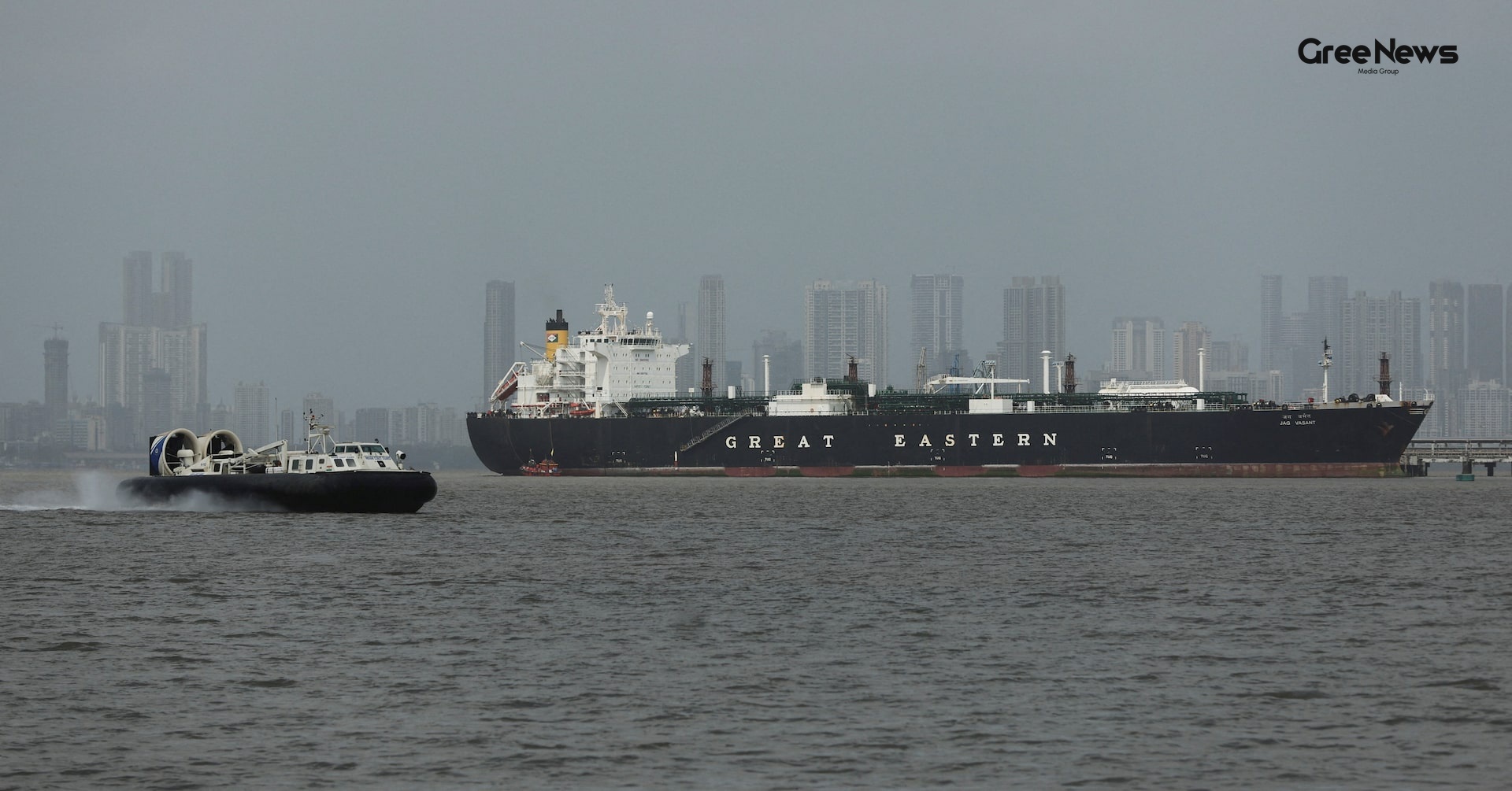
Let me take you through a quick mental journey of how this urea will travel. First, ships carrying the fertilizer will dock at major Indian ports maybe Kandla, Mundra, or Chennai. From there, the cargo is offloaded and moved to state‑run fertiliser depots. These depots are like giant warehouses where the urea is stored until it’s allocated to different states based on their crop calendars.
Eventually, the product reaches the cooperative societies or private dealers that supply it to farmers. In my village, the local dealer usually brings in a trailer of fertilizer every week. If the supply chain runs smoothly, you won’t even notice the massive import behind it you just see the familiar Green‑label bags on the shelves. However, any hiccup at the port or in transportation can cause delays, and that’s where the government’s risk‑management strategy comes into play.
Possible Scenarios What Could Happen Next?
There are a few possibilities that many are watching closely. First, if global prices stay high because the Iran conflict drags on, India might have to keep paying premium rates for future imports. That could strain the finance ministry and lead to a re‑evaluation of the subsidy structure.
Second, if domestic production picks up say, new plants become operational or existing ones increase output the reliance on imports could ease. That would be a welcome development for anyone hoping for lower fertilizer costs in the long run.
Third, there’s always the chance of policy adjustments. The government could decide to increase the subsidy per tonne, or perhaps introduce alternative nutrient solutions like phosphates or organic options. All these options are being discussed in policy circles, and they’ll likely surface in the upcoming India updates.
My Takeaway Why This Matters to You
At the end of the day, this record urea import isn’t just a line in a government tender document. It’s something that will likely affect the price of a roti on your plate, the cost of a bottle of dal at the shop, and the income of the farmer who grows those crops. It’s also a reminder of how interconnected our world is a conflict thousands of kilometres away can change the price tag of a bag of fertilizer here in India.
So, the next time you hear a buzzing notification about breaking news, pause for a moment and think about the chain of events behind it. That’s the kind of curiosity‑driven thinking that turns a simple headline into a deeper understanding of the forces shaping our everyday lives.
Final Thoughts Keeping an Eye on the Horizon
As someone who follows the latest news India closely, I’ll definitely be keeping tabs on how this urea import plays out over the coming months. Will the price settle down? Will we see a shift toward more domestic production? Will farmers get enough support to keep their yields stable? All of these questions are still open, and they’ll likely dominate the conversation in upcoming India updates and trending news India segments.
One thing’s for sure: the story is far from over, and it’s worth watching because it touches the very core of our country’s food security and economic stability. Stay tuned, keep the conversation going, and let’s see how things unfold together.