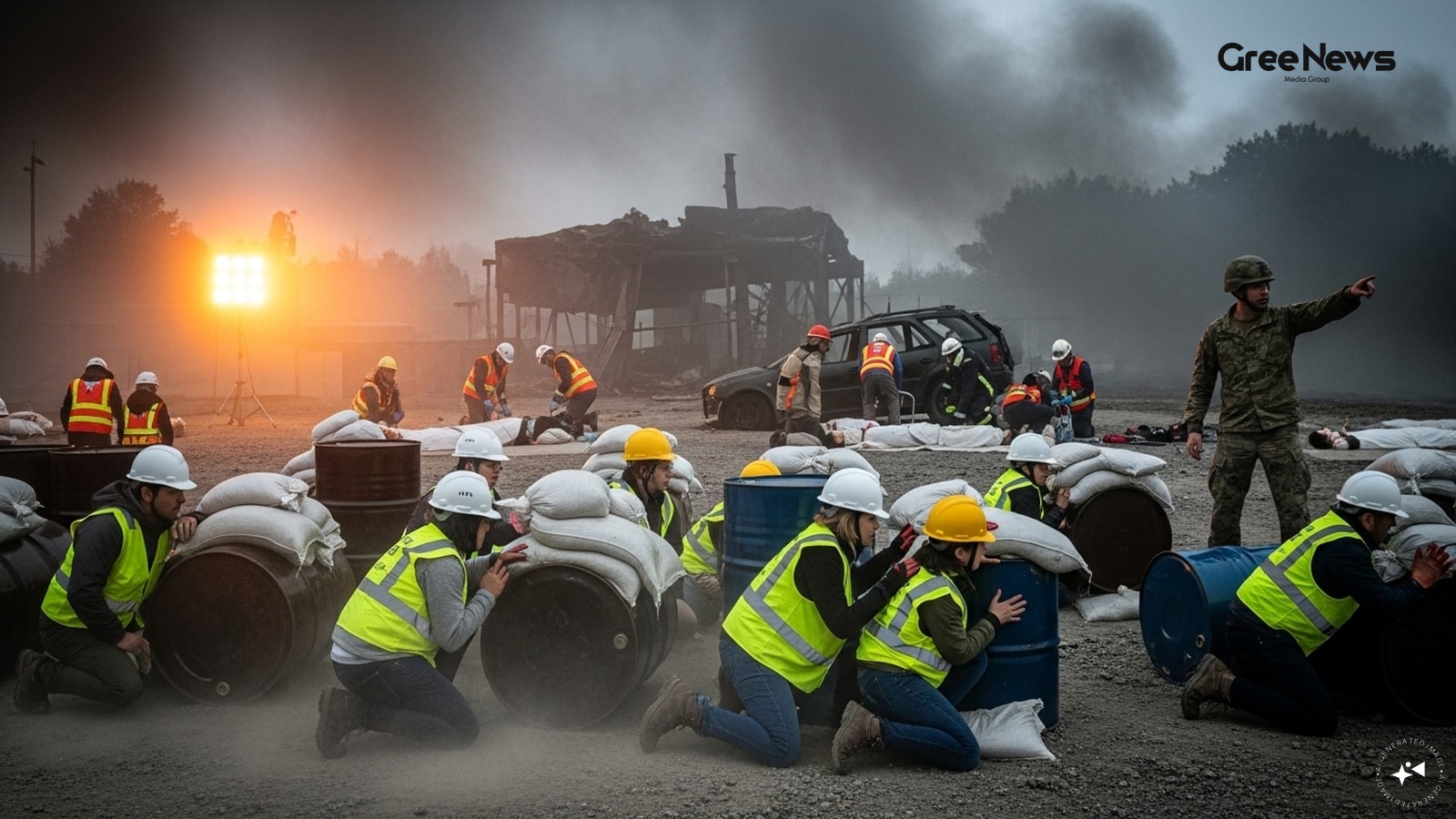
So, let me tell you what’s been buzzing around Udhampur lately. Basically, the district administration decided to run a big civil defence mock drill on April 24. They’re testing the old‑fashioned air‑raid siren the one that we used to hear during school drills decades ago and they want everyone to know exactly what to do if an actual emergency ever strikes.
Honestly, when I first heard about it, I thought it might just be another routine exercise. But then I realized that this isn’t just about pulling a lever and listening to a loud tone. The whole thing is a coordinated effort involving police, fire‑services, the army’s civil defence volunteers, and ordinary citizens like you and me. It’s kind of like a massive community rehearsal, and people are actually excited about it.
Why the Drill Matters: A Quick Background
In most parts of India, especially the hilly regions, the infrastructure for rapid emergency alerts is still a work‑in‑progress. The government has been pushing for better preparedness, especially after a few close calls with natural disasters and border tensions. That’s why the civil defence drill in Udhampur is being highlighted as a breaking news item across the latest news India portals.
What happened next is interesting the district’s disaster management cell spent weeks mapping out every possible scenario, from an air raid to a landslide caused by heavy rains. They then designed a step‑by‑step plan on how the siren should sound, how long it should last, and what messages will follow over the local FM stations. The goal is simple: make sure that the siren isn’t just a noise, but a clear call to action.
Many people were surprised by this thoroughness. I mean, who would have thought that an air‑raid siren could trigger an entire cascade of alerts, text messages, and community meetings? The authorities even prepared pamphlets that list nearby shelters, emergency hot‑lines, and essential items to keep in a home emergency kit.
Live on the Ground: What Residents Can Expect
When the siren starts wailing, it’s not just a random sound. The drill has a predetermined pattern the first blast means “take cover in your nearest shelter”, the second blast means “stay put, help the injured”, and a final continuous tone signals “all clear”. Basically, it’s a language of sounds that locals are being trained to understand.
If you’re like me and usually forget where the nearest shelter is, don’t worry the drill includes a quick pop‑up map on the district’s official app. The app even sends a notification saying, “You’re 300 meters from Shelter A, head there now”. It’s a bit like those traffic‑alert messages we get on our phones, but for safety.
On the day of the drill, I went down to the local community centre where the volunteers were gathering. They were setting up loudspeakers, checking batteries, and even rehearsing the announcement script. It felt almost like a school play rehearsal, except everyone was a bit nervous because it’s the first time the siren will be sounded in a real‑life setting in years.
One of the volunteers, Ravi, shared that many youngsters in the town have never experienced such a drill. “We’ll be showing them how to keep calm, where to go, and how to help their neighbours,” he said. That caught people’s attention, and a few teenagers even started filming the set‑up for their social media, turning the whole event into a little bit of viral news.
How the Drill Is Tested: Air‑Raid Siren and Beyond
The air‑raid siren itself is an old but reliable piece of equipment. It’s mounted on the hilltop near the old police depot, and the team has done a “dry run” to make sure the power supply is stable. They’ve installed a backup generator just in case, because, you know, power cuts happen a lot here during monsoon season.
What actually makes this drill unique is that they’re also testing the response of local schools, hospitals, and even the small tea stalls. For instance, the hospital’s emergency department has been instructed to open extra beds for any “injured” volunteers during the exercise, though nobody expects real injuries. It’s like a rehearsal for a play where every actor knows their cue.
During the drill, a loud bang will echo across the valley, followed by a short pause, then a softer tone. The idea is to make the sound distinguishable from other noises like construction or traffic, so it’s easy for people to identify. The team also plans to conduct a quick survey after the siren blares asking folks if they heard it, where they took shelter, and any confusion they faced. That feedback is the real treasure because it tells the authorities what to improve before a real emergency.
Community Reactions: From Curiosity to Concern
One lady from the market, Meena, told me she felt a little anxious at first, but after the officials explained the safety steps, she felt more confident. “If something ever happens, at least we’ll know where to go,” she said. That sentiment echoed across many households the drill is seen as an opportunity to turn fear into preparedness.
Even the local school teacher, Mrs. Sharma, mentioned that the next day she’ll conduct a quick classroom session teaching kids the meaning of each siren tone. She believes that early education can turn a chaotic moment into an orderly response, and that’s something she’s keen to see unfold.
What’s Next? The Follow‑Up After the Drill
After the siren test, the district will collect all the data how many people heard the siren, how fast they reached shelters, and any glitches in communication. They will publish a short report that’s expected to be featured in several regional news portals focusing on the latest updates. In most cases, these reports help fine‑tune the system for future drills and, eventually, real emergencies.
If the drill goes well, officials say they’ll schedule quarterly mock drills to keep the community’s memory fresh. The idea is not to create panic but to embed a habit of checking the emergency kit, knowing the nearest shelter, and staying calm under pressure.
Personally, I think this is a great step. After all, we often hear about “India updates” on big cities like Delhi and Mumbai, but smaller towns like Udhampur need equally robust planning. This drill shows that the government is paying attention to every corner of the country, no matter how remote.
Wrapping Up: Why It All Matters
In the end, the whole exercise is about building confidence confidence that the siren is more than a loud noise, but a trusted signal that can protect lives. It’s also about community spirit, where volunteers, officials, and ordinary citizens come together to run a simulation that could one day become a real lifesaver.
So, if you’re reading this and live somewhere in the hills or even in the plains, keep an eye out for your local civil defence drills. They might just become the next viral news story that reminds us all to stay prepared.
- Iran US Israel War
- Pahalgam Attack
- Elections 2026
- Op Sindoor Anniversary
- Hottest Cities In India
- JD Vance
- Real ‘Matka King
- #NiveshKaSahiKadam
You can also search from here
Trending Topics
- CBSE 12th Result
- Iran US Ceasefire Talks
- Stock Market Today
- Elections 2026 Live
- West Bengal Elections
- UP Board Results
- Gold Silver Prices
- Assembly Election 2026
- Kerala Elections
- IPL Points Table
- IPL Purple Cap
- IPL Orange Cap
- IPL Schedule