Why I’m Excited About Hafeet Rail A Personal Take
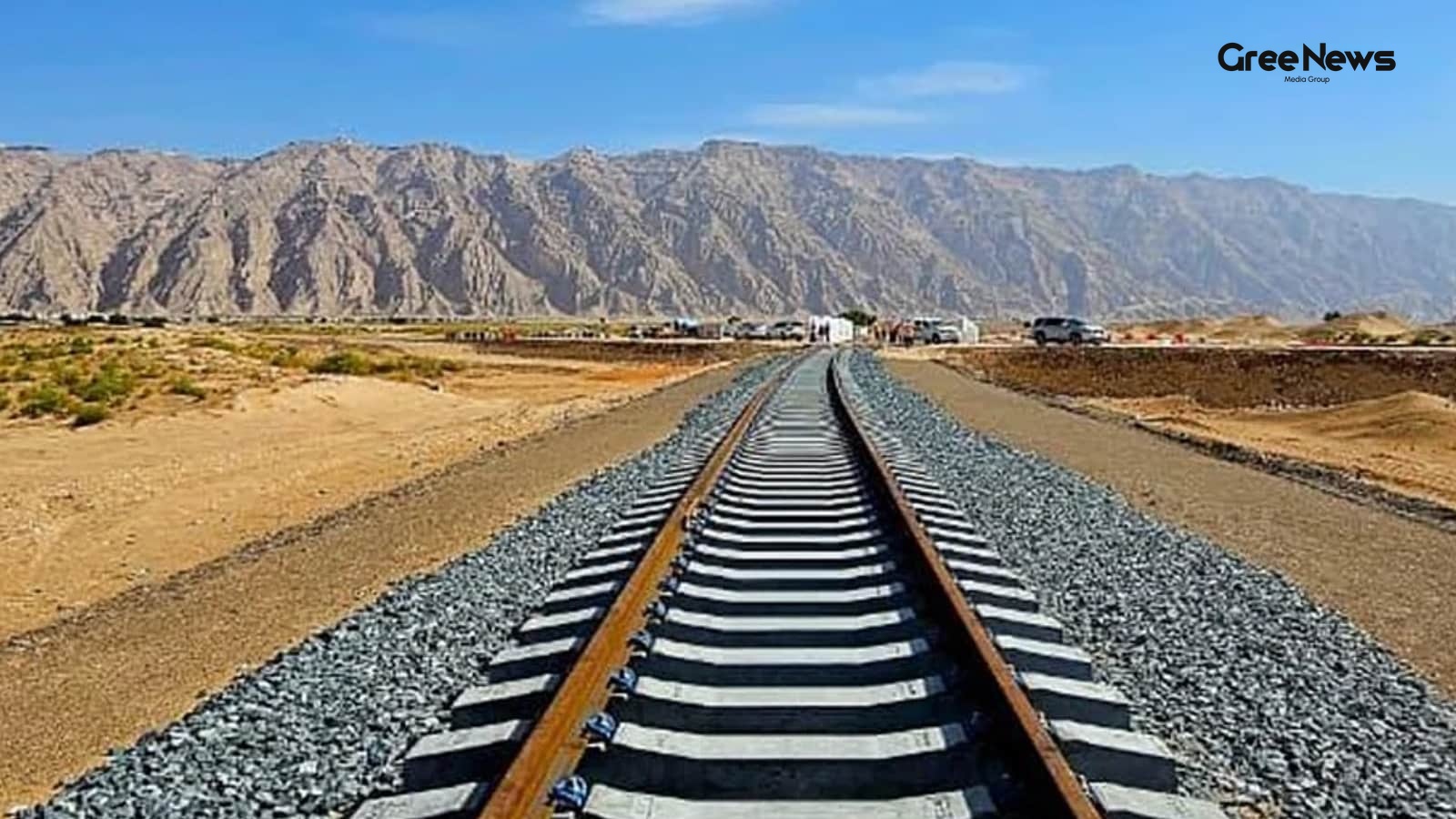
When I first heard about the Hafeet Rail project in a chat with my cousin who works in Dubai’s logistics sector, I thought it sounded like yet another high‑profile infrastructure plan that would never see the light of day. But as the months rolled on and I actually walked past the unfinished tracks while on a business trip to Al Ain, the whole thing felt more real. You can imagine the excitement when you see massive steel girders rising from the sand, workers in bright helmets, and the hum of machinery it’s a scene straight out of a movie, yet it’s right there on the ground. That moment, for me, turned the news into something tangible, and it made me realize just how much this railway could change daily life for commuters and traders alike.
In fact, this is the kind of breaking news that catches people’s attention because it blends the promise of speed with the romance of a desert journey. Think about it: a 200 km/h train zooming past Jebel Hafeet, the same mountain that looms over the UAE‑Oman border, could become a new icon for the Gulf, much like the bullet trains in Japan or the high‑speed rails in Europe. When my friend from Chennai asked whether the project would affect Indian exporters, I told him that the rail line is set to become a vital artery for goods moving between the Gulf and South Asia, which is a huge deal for anyone keeping an eye on trending news India.
Speed and Time‑Saving: What the Numbers Really Mean
Let’s break down the numbers because they sound almost unbelievable at first glance. The Hafeet Rail will allow passenger trains to travel at a top speed of 200 km/h. That means the stretch from Abu Dhabi to Sohar a route that usually takes around three hours and twenty‑five minutes by road could be covered in just one hour and forty minutes. Even more striking is the Al Ain to Sohar segment, which will shrink from roughly one hour and twenty‑seven minutes down to a tidy forty‑seven minutes. Imagine being able to hop on a train in Al Ain, grab a quick coffee, and be at the bustling port city of Sohar in less time than it takes to watch a full Bollywood movie! What happened next is interesting the reduced travel time isn’t just a convenience for tourists; it fundamentally reshapes business logistics, commuter patterns, and even real‑estate demand along the corridor.
For many of us who have regularly driven between these cities, the prospect of sitting back on a comfortable train while the scenery whizzes by feels like a dream. Plus, the high speed reduces fatigue and the risk of road accidents, which is a silent but significant benefit that often goes unnoticed in the hype. In most cases, people only think about the speed itself, but the underlying impact on daily life and regional connectivity is what truly makes this a piece of viral news that will stick around.
The $2.5 Billion Investment Who’s Behind the Project?
The Hafeet Rail project is no small gamble. Valued at around $2.5 billion, it’s a joint venture between Etihad Rail, Oman Rail, and Mubadala Investment Company. Each of these entities brings a different strength to the table: Etihad Rail provides the technical know‑how from its existing network across the United Arab Emirates, Oman Rail contributes regional expertise and local workforce, while Mubadala Investment Company adds the financial muscle to keep the wheels turning. The collaboration underscores how both the United Arab Emirates and Oman are serious about creating a seamless cross‑border transportation channel something the Gulf has never seen before.
When I visited the construction site near Al Buraimi, I saw engineers from all three organisations huddled over blueprints, discussing everything from track alignment to future station designs. Many of them were young Emiratis and Omanis, freshly graduated from engineering colleges, and they talked about the pride they felt working on a project that could put the Gulf on the same map as Europe for high‑speed rail. This sense of ownership spreads to the wider community, turning what could be just another corporate venture into a national achievement. Many people were surprised by this level of local involvement, especially when you compare it to other large‑scale projects that rely heavily on foreign contractors.
Freight, Ports and the New Trade Highway
While the passenger side gets most of the headlines, the freight component of Hafeet Rail is equally, if not more, transformative. Freight trains are set to run at up to 120 km/h, linking more than 12 passenger stations, five major ports and over 15 integrated freight facilities across both countries. For Indian exporters and logistics firms that have been watching the Gulf market closely, this means goods can move faster, cheaper, and with far fewer bottlenecks. The railway will directly connect to Sohar Port a hub that already handles a significant share of the region’s container traffic and this direct rail link could shave days off shipping timelines, which is a game‑changer for time‑sensitive cargo like textiles, spices and electronics that are popular in Indian markets.
In most cases, traders have to rely on long hauls by road, dealing with traffic jams, border checks and fuel costs. With Hafeet Rail, those hassles could become a thing of the past. Imagine a Persian rug maker in Gujarat sending a consignment to a showroom in Muscat the goods could travel on a single, smooth rail corridor, reducing handling risks and ensuring timely delivery. That’s why this news is often tagged as “trending news India” among business circles: it directly impacts supply chain strategies, pricing, and even the competitiveness of Indian products in Gulf markets.
Scenic Views and the Tourist Angle
Beyond speed and trade, the Hafeet Rail offers something that many modern transport projects overlook the journey itself. The line cuts through stark desert expanses and climbs near the dramatic slopes of Jebel Hafeet. Travelers will be able to witness the endless dunes, occasional oasis, and the rugged mountain backdrop, all from the comfort of a modern carriage. This could turn the rail line into a tourist attraction, drawing not just daily commuters but also adventure‑seeking families from across the Gulf and beyond.
When I chatted with a travel blogger from Mumbai who recently visited the region, she mentioned that the idea of a high‑speed train that also serves as a moving window to the desert is something that could go viral on social media. “It’s like a runway for photography,” she said, and that sentiment was echoed by many who follow travel trends on Instagram. The combination of modernity and natural beauty could make Hafeet Rail a staple in “latest news India” feeds that cover tourism and lifestyle, adding another layer to its overall impact.
What It Means for Daily Commuters
For the average worker who lives in Al Ain and works in Sohar, the new rail could become a lifeline. The current road commute can be exhausting heat, traffic, and the constant watch for fuel stations. With a train that departs every hour, you could simply hop on, read a newspaper, or catch up on a favorite Indian TV show on your phone during the swift 47‑minute ride. This could also open up new housing markets, as people might be willing to live farther from their workplace if a fast, reliable connection is available.
Many people were surprised by the potential social impact of the project. In our conversation, a senior manager from Oman Rail explained that they anticipate a surge in demand for residential apartments near the new stations, which could lead to the development of small towns along the corridor. This sort of urban growth, driven by transport infrastructure, has been a hallmark of many successful rail projects worldwide, and it’s fascinating to see it unfold right here in the Gulf.
Environmental Benefits and Sustainable Future
Another angle that often gets less attention but is crucial is the environmental benefit. By shifting both passengers and freight from road to rail, the Hafeet Rail can cut down on carbon emissions, reduce road congestion and lower fuel consumption. For a region that’s looking to diversify its economy and adopt Greener practices, this railway aligns with the broader sustainability goals of both the United Arab Emirates and Oman.
In most cases, people associate high‑speed rail with expensive tickets, but the long‑term savings both economic and ecological can be significant. The project's planners have highlighted the use of energy‑efficient train sets and regenerative braking systems, which feed power back into the grid. For Indian readers following “India updates” on climate initiatives, this could serve as an inspiring example of how strategic investments can pay off on multiple fronts.
How to Keep Track of the Progress Staying Updated
If you’re like me and love to stay ahead of the curve, there are a few ways to follow the Hafeet Rail’s journey. The official websites of Etihad Rail, Oman Rail and Mubadala Investment Company regularly post updates, construction photos and even virtual tours of the upcoming stations. Social media platforms are also buzzing with short clips of the rail line’s progress simply searching for "Hafeet Rail" on YouTube or Instagram will give you a front‑row seat to the work happening on the ground.
Most importantly, treat this as more than just a news item. When you see a post flagged as "viral news" about the railway, think about the ripple effects from the commuter in Al Ain who will shave an hour off his daily travel, to the Indian exporter whose goods will now move faster to the Gulf market. That’s the kind of layered story that keeps readers coming back for more, making it a staple of the latest news India streams.
Final Thoughts A Railway That Could Change the Gulf
All in all, the Hafeet Rail isn’t just another construction project. It’s a bold, strategic move that ties together speed, trade, tourism and sustainability. From my personal perspective, watching the tracks being laid, hearing the chatter of engineers, and imagining the bustling trains that will soon glide across the desert makes me optimistic about the future of Gulf connectivity. Whether you’re an Indian businessman, a travel enthusiast, or simply someone who enjoys watching how infrastructure reshapes lives, this development is worth keeping on your radar. The next time you scroll through breaking news on your phone, you’ll now have a deeper understanding of why this railway matters and how it could soon become a part of everyday conversations across the Gulf and beyond.