Why this win is the talk of the town
When I first heard about India winning a Super Gold medal at a cheese competition held in Brazil, I thought it was a joke. I mean, cheese? From India? But then the news started popping up on my WhatsApp groups, and even the local chai stall owner was talking about it. It quickly turned into one of those pieces of breaking news India can't stop mentioning. The event, known as Mundial do Queijo do Brasil, brings together cheese makers from all corners of the globe, and this year Indian participants walked away with four medals a Super Gold, two Golds and a Silver. That’s not just a win, it's a statement that Indian dairy artisans are ready to compete on the world stage.
India’s dazzling debut on the international cheese stage
Let me set the scene. The competition was a vibrant showcase of cheeses ranging from classic European bries to exotic Asian varieties. In most cases, you’d expect countries like France or Italy to dominate the podium. But this time, Indian names were on the list, and they were not just participants they were medal winners. The Super Gold went to a cheese called Eleftheria Gulmarg (Brie Style). Imagine a smooth, creamy Brie made with Indian milk, winning the highest honour. Then, the Gold medals were clinched by Yak Churpi-Soft, produced by Nordic Farm in Leh, Ladakh, and Eleftheria Brunost (Whey Cheese). Finally, Eleftheria Kaali Miri (Belper Knolle Style) took home the Silver. What happened next is interesting the Indian crowd back home started cheering as if it were a cricket victory.
Now, you might wonder how a cheese from the high Himalayas can stand toe‑to‑toe with the best European contenders. The answer lies in the combination of traditional techniques and modern innovation that Indian cheesemakers have been experimenting with for years. The whole episode became a trending news India story, with food bloggers, dairy farmers, and even school children sharing the news on social media. It really felt like the whole country was glued to the updates, waiting for the next detail to emerge.
The winning cheeses and the stories behind them
Eleftheria Gulmarg (Brie Style) the Super Gold champion is a fascinating blend of French inspiration and Indian dairy. The makers used buffalo milk sourced from farms in the outskirts of Delhi, added a secret culture, and aged it just enough to develop that buttery, nutty flavour that judges love. When I read about it, I could almost taste the richness, and it made me think of the creamy paneer we enjoy at home, but with a whole new twist. The judges called it “a harmonious marriage of texture and aroma”.
Yak Churpi-Soft, the Gold‑winning cheese from Nordic Farm, Leh, Ladakh, is a traditional yak cheese that’s been softened to suit international palates. It’s a reminder that the high‑altitude regions of India hold some of the world’s most unique dairy resources. The cheese’s soft interior contrasted with a slightly firmer rind, making it stand out among other entries. It’s a perfect example of how local ingredients can be turned into global favourites.
Eleftheria Brunost (Whey Cheese) earned another Gold. This cheese, made from whey, is reminiscent of the Norwegian “brown cheese” but with Indian spices subtly infused. The flavour profile was described as sweet, caramel‑like, yet with a faint hint of cardamom a true Indian touch.
Last but not least, Eleftheria Kaali Miri (Belper Knolle Style) secured the Silver medal. This cheese had a distinctive knolle shape, and its texture was firm yet creamy inside. The judges praised its balanced acidity and the way it melted beautifully on a hot pan. It’s no wonder this piece of cheese became a viral news topic across food forums.
Narendra Modi’s heartfelt message on X
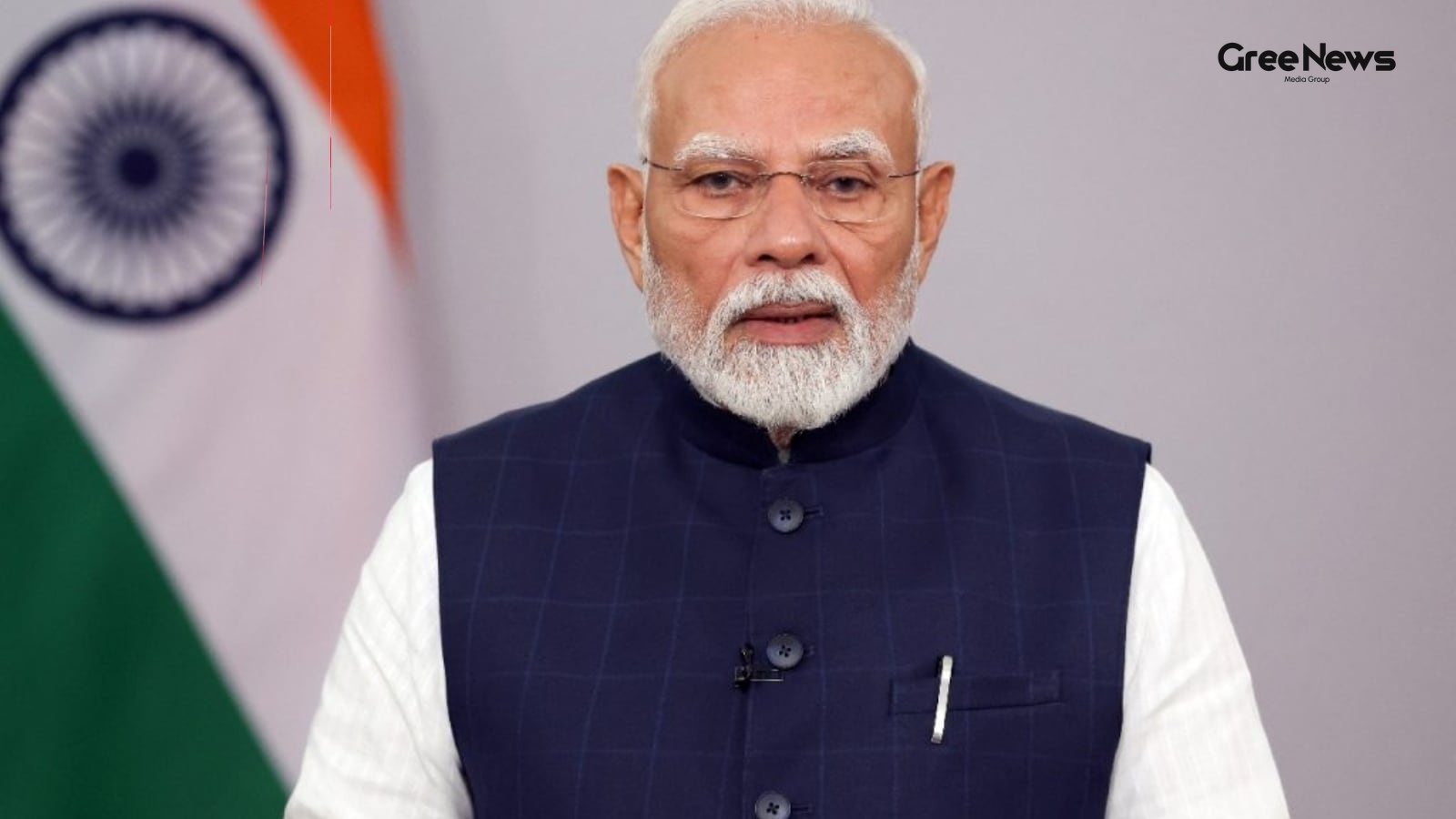
When the results were announced, Narendra Modi quickly posted a message on X, congratulating the entire Indian cheese community. The post read, “Indian cheese has made its mark globally. The Super Gold was won by Eleftheria Gulmarg (Brie Style), the Golds were won by Yak Churpi-Soft, Nordic Farm, Leh, Ladakh and Eleftheria Brunost (Whey Cheese) while the Silver was won by Eleftheria Kaali Miri (Belper Knolle Style). Congratulations to Mausam Narang and Thenlay Nurboo.” The simplicity of the message, combined with the pride it expressed, turned it into a piece of breaking news India residents shared endlessly.
What caught people’s attention was Narendra Modi’s direct mention of the awardees Mausam Narang and Thenlay Nurboo. In most cases, leaders just thank a “team”, but here the names were highlighted, giving them the spotlight they deserved. This gesture added a personal touch that made the story even more relatable, especially for the families of those cheesemakers who were watching the post with tears of joy.
Following the Prime Minister’s post, a wave of comments poured in from dairy farmers in Gujarat saying “we always knew our milk could do great things”, to students in Mumbai asking their teachers to include cheese making in the curriculum. It was truly a moment where a niche craft made into a national pride.
What this triumph means for India’s dairy industry
India has always been a milk‑producing giant, but the focus has traditionally been on liquid milk, ghee, and paneer. The cheese success at the Brazil competition signals a shift it shows that Indian dairy producers are ready to explore value‑added products that can fetch higher returns. This is especially important for small‑holder farmers who are looking for ways to diversify their income.
Many people were surprised by this development because, in most cases, cheese is seen as a foreign, expensive product in Indian households. However, the growing interest in artisanal cheese has been fueled by urban cafes and gourmet restaurants across metros like Bengaluru, Delhi, and Kolkata. The medals act as a validation that Indian cheese can compete with the best. It’s a bit like when Indian athletes started winning medals in shooting suddenly the whole sport got a boost in infrastructure and funding.
Industry experts now say that the government might consider more schemes to support cheese makers, such as better cold‑chain logistics, training programs, and export incentives. This could create a ripple effect, where more farmers switch to high‑quality milk suitable for cheese making, improving overall dairy standards.
Behind the scenes: How the competition works
If you’re curious about how a competition like Mundial do Queijo do Brasil judges cheese, here’s a quick rundown. Judges evaluate entries on appearance, texture, aroma, and taste. Each category from soft bries to hard aged cheeses has its own set of criteria. The judges also look at the originality of the product, which is why unique Indian flavors stood out.
During the event, entries are displayed on chilled tables, and the judges walk around tasting each one. In most cases, they have only a few seconds to decide, so the impact of the first bite is crucial. It’s a high‑pressure environment, and the fact that Indian entries performed so well suggests that the cheesemakers had practiced meticulously.
What happened next was interesting after the ceremony, several international buyers approached the Indian teams, asking for samples for potential imports. This made the whole achievement feel like a stepping stone to bigger markets, turning a news story into a real economic opportunity.
Future prospects and what to watch out for
Looking ahead, the success at the Brazil competition could open doors for India in other global food fairs think of the International Cheese Expo in France or the World Dairy Congress. If Indian cheese makers keep up the momentum, we might see “Made in India” labels on premium cheese shelves worldwide.
There’s also a growing community of home‑based cheese enthusiasts across the country. With the recent wins, many are considering turning their hobby into a small business. This grassroots movement could feed into the larger industry, creating a virtuous cycle of innovation.
Moreover, the media attention has already turned the story into a viral news piece, with many Indian food channels planning special episodes on how to make cheese at home. This kind of exposure can inspire the next generation of cheesemakers and bring more Indian flavours to the global table.
Final thoughts a proud moment for India
All in all, the medals won at the Mundial do Queijo do Brasil competition are more than just shiny trophies. They represent a turning point for India’s dairy narrative from being a massive milk producer to a creator of world‑class cheese. As a fellow Indian who loves both cricket and cheese, I felt a surge of pride reading Narendra Modi’s tweet and seeing Mausam Narang and Thenlay Nurboo’s names on the winner’s list.
For anyone following the latest news India, this story is a reminder that Indian talent can shine in any arena, be it sports, technology, or now, cheese. The buzz continues to grow on social media, and I’m sure we’ll hear more about Indian cheese in the coming months. Stay tuned for more updates because when Indian artisans start winning on the world stage, the whole country gets a reason to celebrate.