US‑Iran War and the Panama Canal: An Unlikely New Oil Artery
When missiles started raining down on Iranian oilfields in early March, the world’s oil markets went into a frenzy. Brent crude shot up past $113 a barrel a level we hadn’t seen since 2022 and traders immediately began asking the same question: where will the oil come from now? Fast‑forward seven weeks and the answer is becoming crystal clear. It’s coming from Texas, steered through the Panama Canal and reaching markets at a premium that’s quietly reshuffling the global crude landscape in favour of the United States.
For anyone following the latest news India, this development feels like a plot twist straight out of a thriller. Asian refineries, which normally rely on supplies flowing through the Strait of Hormuz, found themselves scrambling when the war effectively shut that route. According to marine‑intelligence firm Kpler, they are now queuing up for US Gulf Coast crude at a rate we haven’t seen in almost three years.
During the first half of April, US crude exports via the Panama Canal topped 200,000 barrels a day the highest figure since July 2022 and the numbers keep climbing. The underlying driver is simple geography. Before the conflict, about 20 % of global seaborne crude passed through Hormuz, mainly headed for Asia. With that corridor now blocked or deemed too risky, buyers had to look elsewhere, and the Panama Canal a modest 82‑kilometre dual‑lane waterway linking the US Gulf Coast to the Pacific stepped up as the unexpected new oil highway.
What happened next is interesting. The shift didn’t just change where oil travelled; it also altered the price tags attached to each barrel.
The Cost of Getting Through the Canal
Shipping firms are paying a hefty price for this shortcut, and they’re doing it without batting an eye. Sources told Bloomberg that one company handed over $4 million for priority access to push a liquefied petroleum gas tanker through the canal on top of the regular Panama Canal Authority fee, which itself can run into hundreds of thousands of dollars. Other traders have shelled out up to $3 million for the same privilege.
A crude tanker can take up to ten hours to navigate the canal, and the queue of vessels waiting weeks for their turn is growing longer every day. The premium price reflects a simple calculation that’s become common across the oil world: the cost of delay, or of exposing a ship to the dangers of Hormuz, now outweighs the cost of simply paying whatever it takes to get through Panama.
This reality has turned the Panama Canal into a sort of high‑stakes toll road for oil. And while the numbers may sound astronomical, most traders aGree that paying a few million dollars is preferable to losing an entire shipment to a missile strike or a prolonged wait in a congested chokepoint.
In many ways, the situation mirrors traffic on the Mumbai‑Pune expressway during rush hour you’ll pay extra for a lane‑change if it means you reach your destination on time. The same logic is now playing out on a global scale, and it’s catching a lot of people’s attention in the business news cycle.
WTI’s Unexpected Leap Over Brent
One of the most striking outcomes of this rerouting is the sudden premium that West Texas Intermediate (WTI) enjoys over Brent. Historically, Brent has been the global benchmark, while WTI was more of a regional North American reference. But right now, WTI is trading $3‑$4 per barrel above Brent.
Why the shift? Brent surged past $100 a barrel in early March, peaking at $113 as missile strikes rattled Iranian production. That volatility made Brent a less reliable anchor for pricing, especially for buyers worried about supply disruptions. Meanwhile, WTI, backed by the world’s largest oil producer the United States remains insulated from Hormuz‑related risks, giving it a perception of stability during wartime.
Traders are now viewing WTI as the “safer” option, and that perception has translated into a tangible price advantage. It’s a structural shift that could have lasting effects even after the current conflict eases, because once a new pricing norm takes hold, it doesn’t disappear overnight.
“The queue for Gulf crude and rerouting via the Panama Canal reinforces a US‑centric tilt of global oil flows in the Iran war phase,” Kpler wrote in its analysis. This comment, which has been quoted widely across breaking news platforms, underscores how geography, politics, and market psychology are intertwining to reshape the oil map.
Trump’s Bold Claim Was He Right?
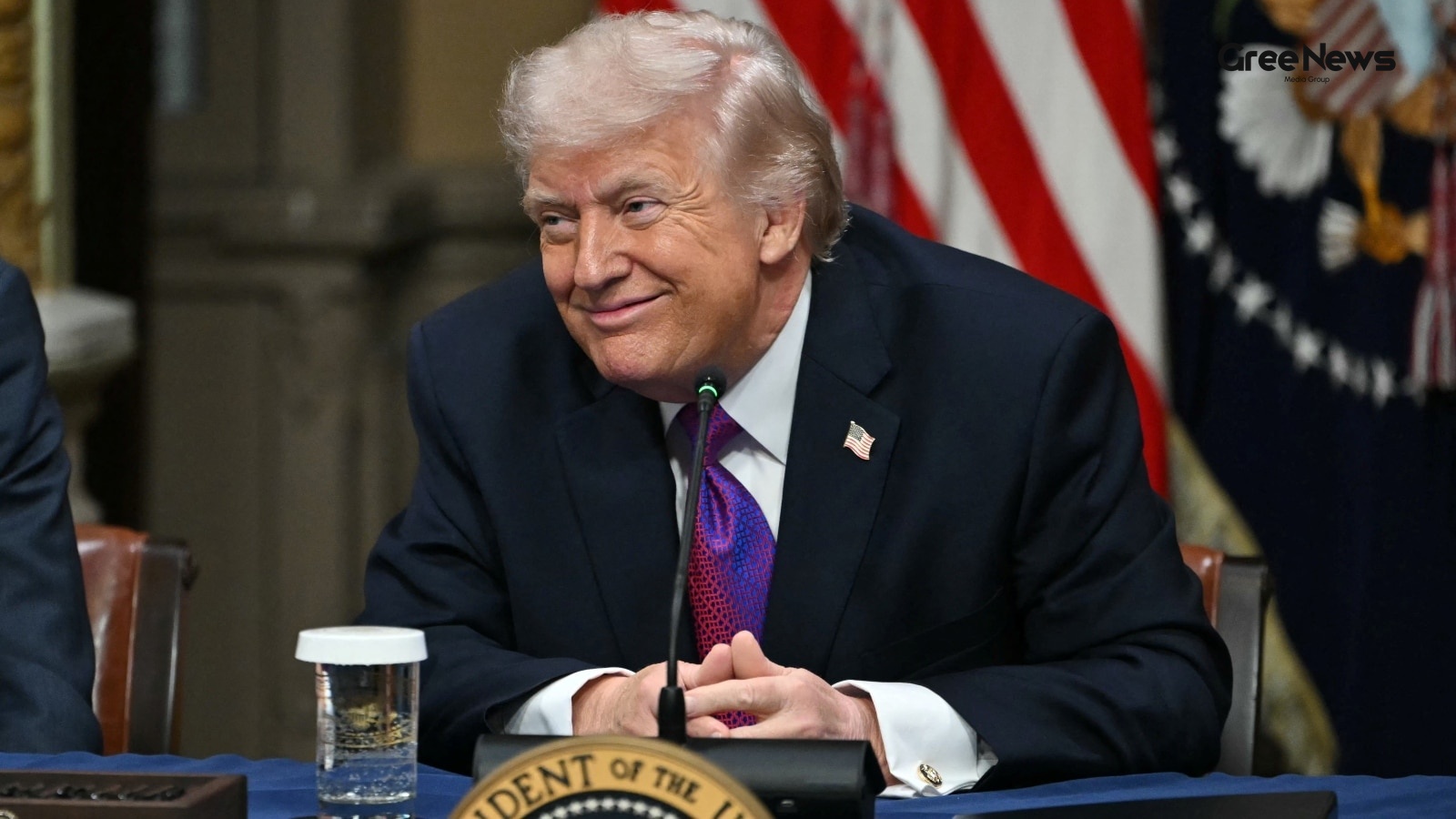
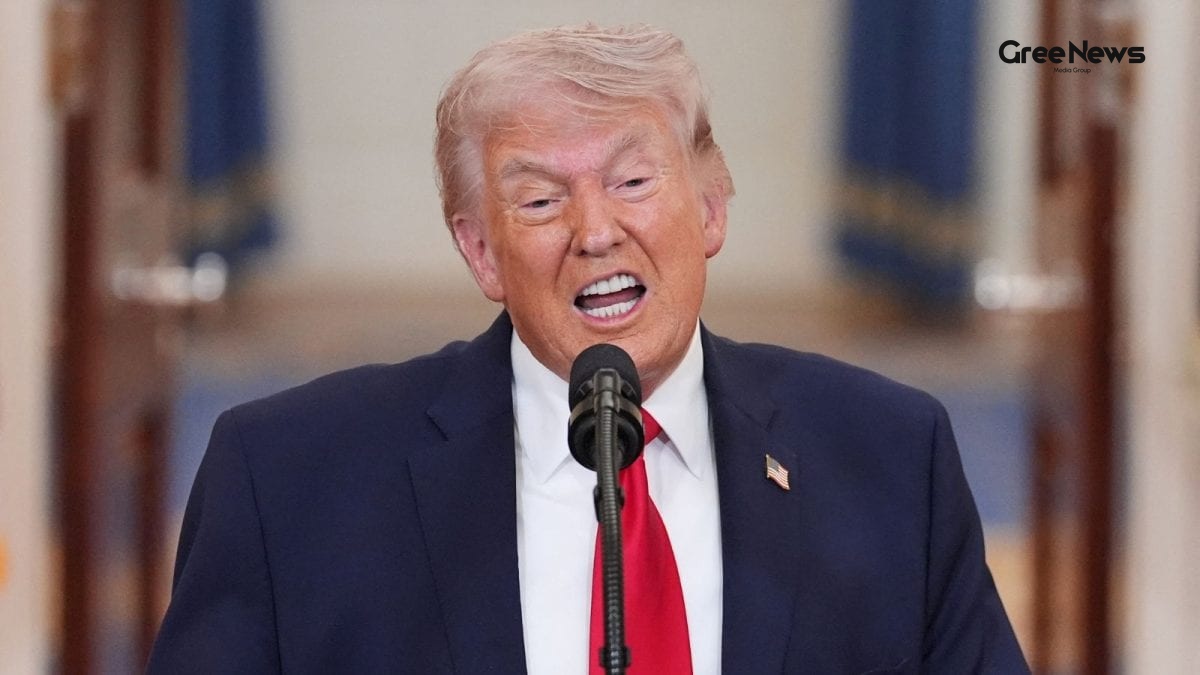
Back in early March, as the Hormuz blockade threatened to push fuel prices sky‑high, former President Donald Trump made a blunt statement: “The US is the largest oil producer in the world, by far. So when oil prices go up, we make a lot of money.”
On the numbers, he’s not wrong. The International Energy Agency reported that the United States produced over 13.5 million barrels of oil per day in 2025, which translates to roughly 16 % of global output. That massive production capacity means that any rise in global oil prices directly fattens US trade balances and fiscal revenues.
What many didn’t expect, however, was how the current route shift would amplify that benefit. By moving oil through the Panama Canal and commanding a premium over Brent, the US not only sells more crude but also does so at a higher price point. In most cases, that combination translates into a double‑dip profit scenario higher volumes and higher margins.
Many people were surprised by this chain of events, especially those who thought the US would be just another player watching from the sidelines. Instead, the country has become a pivotal supplier, reshaping not just regional but global energy economics.
What This Means for India and the Rest of Asia
For Indian refiners, the shift feels like a mixed bag. On one hand, the rerouting offers an alternative source of crude that is less likely to be caught in a geopolitical crossfire. On the other hand, the premium attached to US oil means that the cost of imported fuel could rise, affecting everything from diesel prices at the pump to electricity tariffs.
In many ways, the situation mirrors the traffic jam you see on the Delhi‑Gurgaon expressway during peak hours you get a new route, but you still pay a toll for the convenience. Indian traders are now weighing the trade‑off between higher procurement costs and the security of supply.
This story has quickly become part of the trending news India, with market analysts and policy makers debating the long‑term implications. Some suggest that if the US continues to dominate the premium segment, Asian refineries might start investing more in domestic or alternative sources, such as renewable energy a shift that could dovetail with India’s own energy transition goals.
Meanwhile, the current surge in US‑origin crude has also sparked a wave of speculation in the financial markets. Stock indices tied to energy, as well as futures contracts for both WTI and Brent, have shown heightened volatility, making it a hot topic for investors looking for the next big move.
All of this adds to the overall buzz in the realm of viral news, as both industry insiders and the general public try to make sense of how a waterway that once seemed just a shortcut for ships has now turned into a strategic asset in the global oil game.
Looking Ahead Will the Canal Remain the New Oil Artery?
Predicting the future is always a bit dicey, especially when wars and geopolitics are involved. However, the current data points to a few possible scenarios. If the Hormuz route stays blocked or remains risky, Asian buyers may keep leaning heavily on US crude, cementing the Panama Canal’s role as a permanent back‑bone of supply.
Alternatively, if a diplomatic breakthrough restores normalcy to the Strait, we could see a gradual pull‑back from the Canal, with trade volumes returning to pre‑conflict levels. In most cases, though, once traders have re‑wired their supply chains, some of that momentum tends to stick around.
Another factor to watch is the price of canal transit itself. If the premium for priority access keeps climbing, smaller players may be priced out, leading to a market where only the big oil giants can afford to use the route. That could further tilt global flows in favour of the United States, echoing the sentiments captured in recent breaking news headlines across the country.
For now, the story continues to evolve, and it’s a perfect example of how a single geopolitical flashpoint can ripple through markets, ports, and even everyday fuel prices at your local pump.