Israel Endorses Trump’s Cease‑Fire Initiative, Netanyahu’s Office Confirms Support
Israel’s formal endorsement of the United States‑led ceasefire push arrives amid internal debate over the pause of military actions.
Israel’s government has declared its backing of United States President Donald Trump’s decision to halt offensive operations against Iran for a period of two weeks. The pause, outlined in a cease‑fire framework, is contingent upon Iran’s immediate reopening of the strategic maritime passage known as the Strait of Hormuz and the cessation of hostile actions directed at the United States, Israel, and other nations situated in the region.
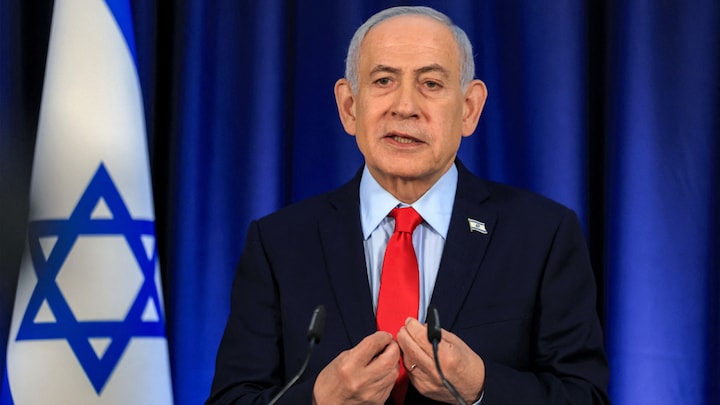
In a written release issued by the office of Prime Minister Benjamin Netanyahu, Israel’s position is articulated with unequivocal clarity. The statement reads, “Israel supports President Donald Trump’s decision to suspend strikes against Iran for two weeks, subject to Iran immediately opening the straits and stopping all attacks on the United States, Israel and countries in the region.” The language employed underscores Israel’s readiness to align its operational posture with the conditions stipulated by the United States.
The endorsement represents a significant diplomatic gesture, signaling Israel’s willingness to cooperate with United States‑led diplomatic efforts aimed at de‑escalating tensions with Iran. By attaching explicit conditions to the suspension—namely, the prompt reopening of the Strait of Hormuz and an end to hostile activity—Israel affirms that the cease‑fire is not an unconditional pause but a measured step contingent upon verifiable Iranian compliance.
Within the broader geopolitical landscape, the Strait of Hormuz occupies a pivotal role as a conduit for a substantial portion of the world’s petroleum shipments. The uninterrupted flow of oil through this narrow waterway directly influences global energy markets, and any disruption—whether caused by intentional blockage or collateral damage—carries far‑reaching economic implications. Israel’s insistence on the immediate reopening of the strait reflects a recognition of the strategic necessity of maintaining uninterrupted maritime commerce.
Beyond the immediate operational considerations, Israel’s statement extends its support to the United States’ overarching objective of eliminating the perceived threats posed by Iran. The release adds, “Israel also supports the United States effort to ensure that Iran no longer poses a nuclear, missile and terror threat to America, Israel, Iran’s Arab neighbours, and the world.” This articulation underscores a shared strategic calculus between Israel and the United States concerning Iran’s alleged pursuit of weapons of mass destruction and its involvement in regional proxy conflicts.
By aligning its messaging with the United States, Israel reinforces a united front that seeks to pressure Iran into abandoning its alleged nuclear ambitions and curtailing its missile development programs. The inclusion of “Iran’s Arab neighbours” in the language broadens the scope of concern, acknowledging that regional stability extends beyond the immediate Israeli‑American partnership and encompasses the security calculations of neighboring states that have historically expressed apprehension regarding Iran’s regional activities.
Despite the official endorsement, internal discussions within Israel’s leadership reveal a measured deGree of caution. Certain factions within Israel’s security establishment have expressed reservations about the potential ramifications of a temporary suspension of strikes. These concerns center on the possibility that a pause could afford Iran an opportunity to regroup, reinforce its defensive posture, or pursue further clandestine operations that might undermine the intended deterrent effect of Israel’s military strategy.
The nuanced internal debate reflects a balance between diplomatic engagement and the maintenance of a robust defensive posture. While Israel publicly affirms its support for President Donald Trump’s cease‑fire proposal, the underlying discourse within Israeli strategic circles underscores the importance of retaining flexibility to resume operations should Iranian actions deviate from the aGreed‑upon conditions.
Israel’s decision to back the United States’ two‑week suspension of strikes aligns with a broader pattern of engagement wherein diplomatic overtures are paired with conditional security guarantees. By explicitly linking the cease‑fire to concrete Iranian actions—namely, the reopening of the Strait of Hormuz and the cessation of attacks—Israel establishes a clear benchmark against which compliance can be measured. This approach facilitates accountability and minimizes ambiguity regarding the expectations placed upon Iran.
The conditional nature of the aGreement also serves to reinforce Israel’s strategic messaging to both domestic and international audiences. By articulating that the suspension is predicated on observable Iranian behavior, Israel underscores its commitment to safeguarding national security while simultaneously demonstrating a willingness to explore diplomatic pathways that could lead to a durable reduction in hostilities.
The public statement issued by the office of Prime Minister Benjamin Netanyahu further emphasizes Israel’s resolve to prevent Iran from acquiring capabilities that could threaten regional stability. By highlighting concerns related to nuclear proliferation, missile development, and terrorist sponsorship, Israel reinforces its longstanding narrative that Iran’s ambitions extend beyond conventional military capabilities and encompass a broader spectrum of asymmetric threats.
In reiterating this perspective, Israel positions itself as a critical stakeholder in any comprehensive effort to curtail Iran’s strategic reach. The explicit reference to “the world” within the statement broadens the framing of the issue, suggesting that the stakes transcend regional borders and implicate the international community at large.
From a diplomatic standpoint, Israel’s support for President Donald Trump’s cease‑fire initiative may enhance the credibility of United States‑led negotiations. The visible alignment of two key allies signals to Iran that a coordinated approach is being pursued, potentially increasing the pressure on Tehran to adhere to the stipulated conditions. Moreover, the joint public endorsement may serve as a diplomatic lever in future multilateral discussions involving other regional powers.
Nevertheless, the underlying caution expressed by certain elements within Israel’s leadership highlights the delicate equilibrium that must be maintained. While Israel publicly reinforces its partnership with the United States, the internal discourse underscores that strategic patience must be balanced against the imperative to retain the capacity for decisive action should Iranian conduct diverge from the expected pathway.
In summary, Israel’s formal endorsement of President Donald Trump’s two‑week suspension of strikes against Iran articulates a clear set of conditions: the immediate reopening of the Strait of Hormuz and the cessation of attacks targeting the United States, Israel, and regional partners. The statement, released by the office of Prime Minister Benjamin Netanyahu, also underscores Israel’s broader strategic objective of eliminating Iran’s perceived nuclear, missile, and terror threats.
While the public stance reflects unity with United States diplomatic efforts, internal deliberations within Israel’s security establishment reveal lingering reservations about the operational implications of a temporary pause. The balance between diplomatic engagement and the preservation of a credible deterrent remains a central theme in Israel’s ongoing assessment of the cease‑fire proposal.