Jannik Sinner Shatters Masters 1000 Streak Record, Overtaking Djokovic, Alcaraz and Murray
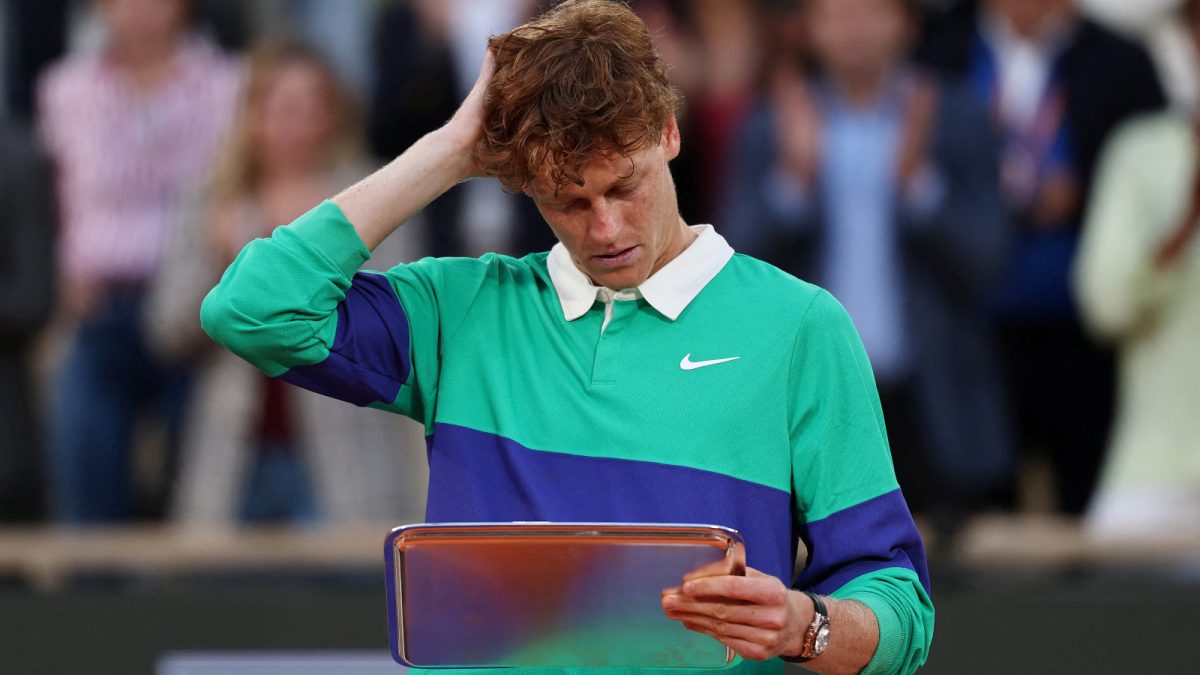
Jannik Sinner sets ATP Masters 1000 record with 26 straight sets, going past Novak Djokovic, Carlos Alcaraz, Novak Djokovic again and Andy Murray.
Opening the Record Book
The tennis world has witnessed a remarkable sequence of performances as Jannik Sinner compiled a run of 26 consecutive set victories across the elite ATP Masters 1000 tournaments. This achievement eclipses the previous bests held by Novak Djokovic, Carlos Alcaraz, and Andy Murray, each of whom had once set the standard for sustained dominance at this tier of competition. Sinner’s run demonstrates a blend of technical precision, mental resilience, and physical endurance that has rarely been observed on such a stage.
While the raw number of straight sets is the headline, the underlying narrative is far richer. Each set win contributes to a larger story of how a young player can sustain a level of play that consistently outmatches the sport’s most seasoned champions. The streak began early in Sinner’s Masters 1000 campaign and continued unbroken through multiple events, illustrating an unwavering focus that has become his hallmark.
Understanding the Context of the Streak
ATP Masters 1000 tournaments represent the most prestigious events outside the Grand Slam circuit. A win in any round requires navigating a draw populated by top‑ranked contenders, making a streak of straight‑set victories an even more impressive undertaking. For Jannik Sinner to win 26 sets consecutively, he had to maintain peak performance across varying surfaces, climates, and opponent styles, all while coping with the physical toll that back‑to‑back high‑intensity matches impose.
The consistency displayed by Sinner throughout the streak showcases his ability to adapt his game plan without sacrificing his core strengths. Whether employing a powerful baseline assault, mixing in deft drop shots, or leveraging his superior footwork, Sinner managed to keep opponents off‑balance, compelling them to concede each set before they could gain any foothold.
How the Record Surpasses Previous Benchmarks
Before Jannik Sinner’s feat, Novak Djokovic held the record for the longest chain of consecutive set wins at the Masters 1000 level. Djokovic, a player renowned for his relentless defensive skills and strategic acumen, set a high bar that many believed would be difficult to eclipse. Following Djokovic, Carlos Alcaraz, a prodigy known for his explosive shot‑making, and Andy Murray, celebrated for his tactical brilliance, each reclaimed the record in turn.
Jannik Sinner’s 26‑set streak not only exceeds the raw count of each predecessor but also does so with a style that blends aggressive offense and calculated defense. By surpassing these legends, Sinner joins a select cadre of players who have redefined the parameters of excellence at the Masters 1000 tier.
The Technical Ingredients Behind the Run
Several technical aspects underpin Sinner’s ability to close out sets without allowing opposition momentum to build. First, his serve—characterized by a high ball toss, controlled motion, and a variety of placements—has repeatedly set up easy points or forced weak returns. Second, his groundstrokes, especially the forehand, generate penetrating depth and spin, allowing him to dictate rallies.
Equally important is Sinner’s movement. He combines quick, decisive footwork with a low center of gravity, enabling him to retrieve seemingly unreachable balls and transition smoothly from defense to offense. This athleticism, paired with a disciplined shot selection, reduces unforced errors, a crucial factor when aiming for straight‑set victories.
Mental Fortitude and Match Management
Beyond physical attributes, mental strength has played a decisive role in sustaining the streak. The pressure of maintaining an unbroken chain can be psychologically taxing; each successive set amplifies the expectation of continued perfection. Sinner has demonstrated an ability to compartmentalize each set, focusing on the immediate challenges rather than the cumulative narrative.
His match management also reflects a strategic awareness of opponent tendencies. By varying pace, altering spin, and employing tactical lobs or angles at critical junctures, Sinner often forces opponents into uncomfortable positions, leading to quick set closures. This proactive approach minimizes prolonged exchanges that could jeopardize his set record.
Historical Perspective on Masters 1000 Dominance
When placed against the broader history of the Masters 1000 circuit, Sinner’s streak stands out as a watershed moment. The circuit, since its inception, has been dominated by a handful of extraordinary players whose names have become synonymous with consistency and excellence. The fact that Sinner has now woven his name into that lineage underscores a shift in the competitive landscape, suggesting a new era where emerging talents can challenge established hierarchies.
Moreover, the record highlights the evolution of modern tennis, where power, agility, and strategic versatility intersect more than ever before. Sinner’s ability to harness these elements across a prolonged series of matches underscores how the game continues to advance, rewarding players who can integrate multiple skill sets seamlessly.
Reactions from the Tennis Community
The tennis fraternity has responded with a mixture of admiration and analytical curiosity. Former champions have praised Sinner’s composure and tactical intelligence, noting that maintaining such a streak requires not only skill but also a mature approach to pressure. Coaches and analysts have dissected match footage, highlighting the consistency of Sinner’s first‑serve percentages and his ability to dominate baseline exchanges.
Fans, too, have embraced the narrative, often sharing clips of decisive set‑winning moments that illustrate Sinner’s command of the court. Social media buzz centers on the comparison with past record‑holders, sparking discussions about what this means for future head‑to‑head matchups among the sport’s elite.
Implications for Jannik Sinner’s Career Trajectory
Achieving a 26‑set winning streak at the Masters 1000 level serves as a springboard for Sinner’s aspirations on the broader tour. The confidence derived from such a run can translate into stronger performances in Grand Slam events, where the psychological edge gained from dominating elite competition proves invaluable.
Additionally, the record enhances Sinner’s marketability and standing within the sport, potentially attracting new sponsorships and broader media attention. As he continues to chase further milestones, the streak sets a benchmark that he can reference when evaluating future growth and consistency.
Future Outlook: Maintaining the Momentum
Looking ahead, the challenge for Jannik Sinner will be to sustain the level of play that produced the 26‑set streak while adapting to evolving opponent strategies. As rivals study his patterns and attempt to disrupt his rhythm, Sinner’s capacity for in‑match adjustments will be tested. Continued success will likely hinge on his willingness to refine tactics, expand his shot repertoire, and preserve the physical conditioning that underpins his aggressive style.
Should he manage to extend his streak or replicate the dominance in subsequent seasons, Sinner could very well cement his place among the most consistent performers in Masters 1000 history, reshaping expectations for future generations of players.