Strategic Dialogues in Washington: Why Foreign Secretary Vikram Misri’s Mission Holds Global Weight
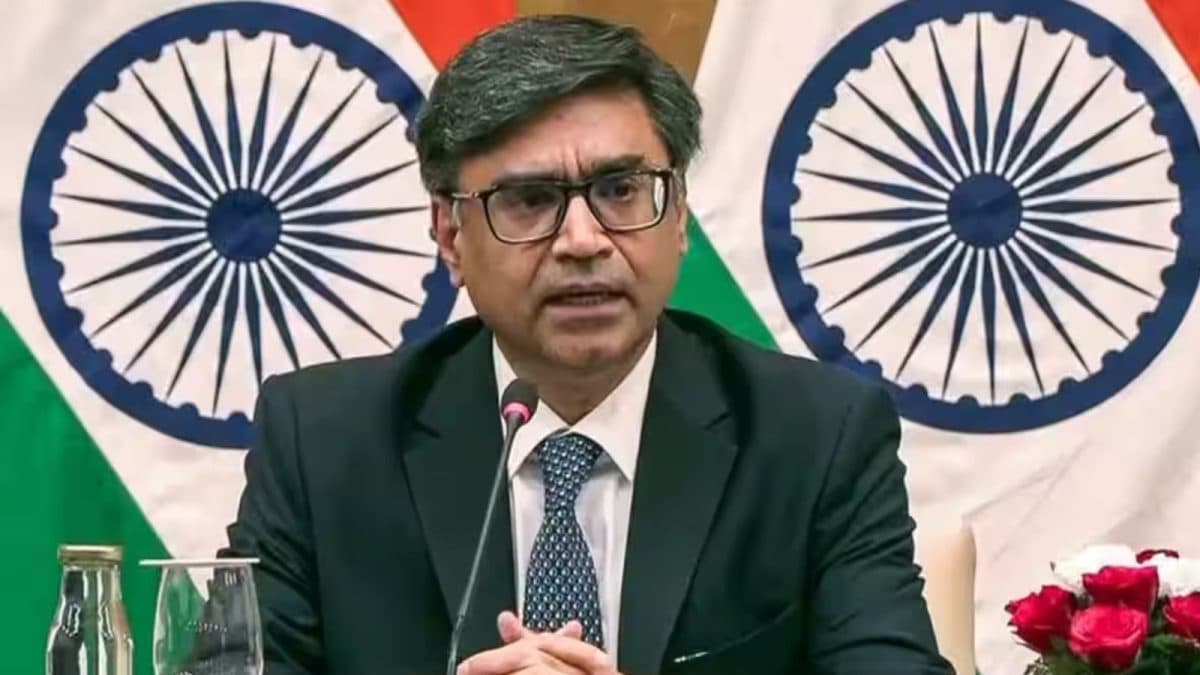
Foreign Secretary Vikram Misri is on a three‑day Washington visit to review India‑United States ties and advance ongoing bilateral cooperation, Ministry of External Affairs said.
Background on the India‑United States Trade Deal
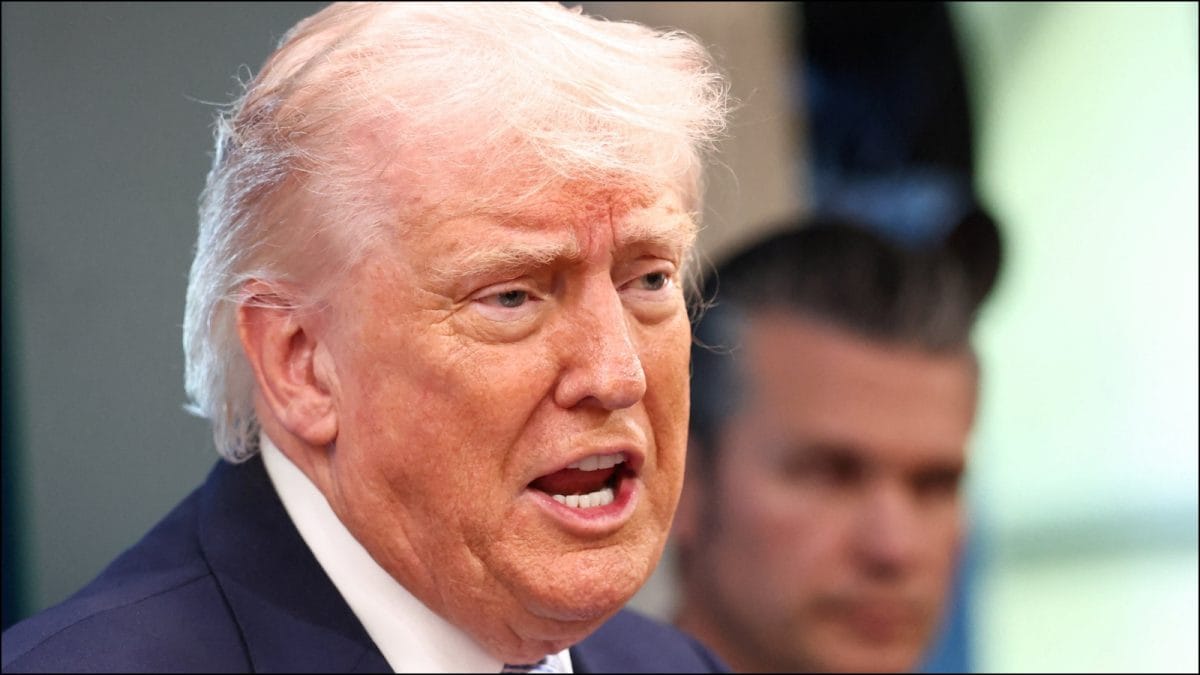
With the India‑United States trade deal put on hold after a United States court ruling against tariffs introduced by a previous administration, Foreign Secretary Vikram Misri’s presence in Washington gains heightened relevance. The trade deal, which entered the public domain following a telephone conversation between Prime Minister Narendra Modi and President Donald Trump, never progressed to a formal signing ceremony.
The suspension of the India‑United States trade deal emerged from a judicial decision that struck down tariff measures that had been imposed during the tenure of former United States president Donald Trump. The decision effectively froze the commercial framework that had been outlined in early communications between Prime Minister Narendra Modi and President Donald Trump.
Consequently, the India‑United States trade deal remains in a state of limbo, awaiting a resolution that can reconcile the judicial outcome with the diplomatic intentions expressed by Prime Minister Narendra Modi and President Donald Trump.
Current Geopolitical Landscape: West Asia Ceasefire
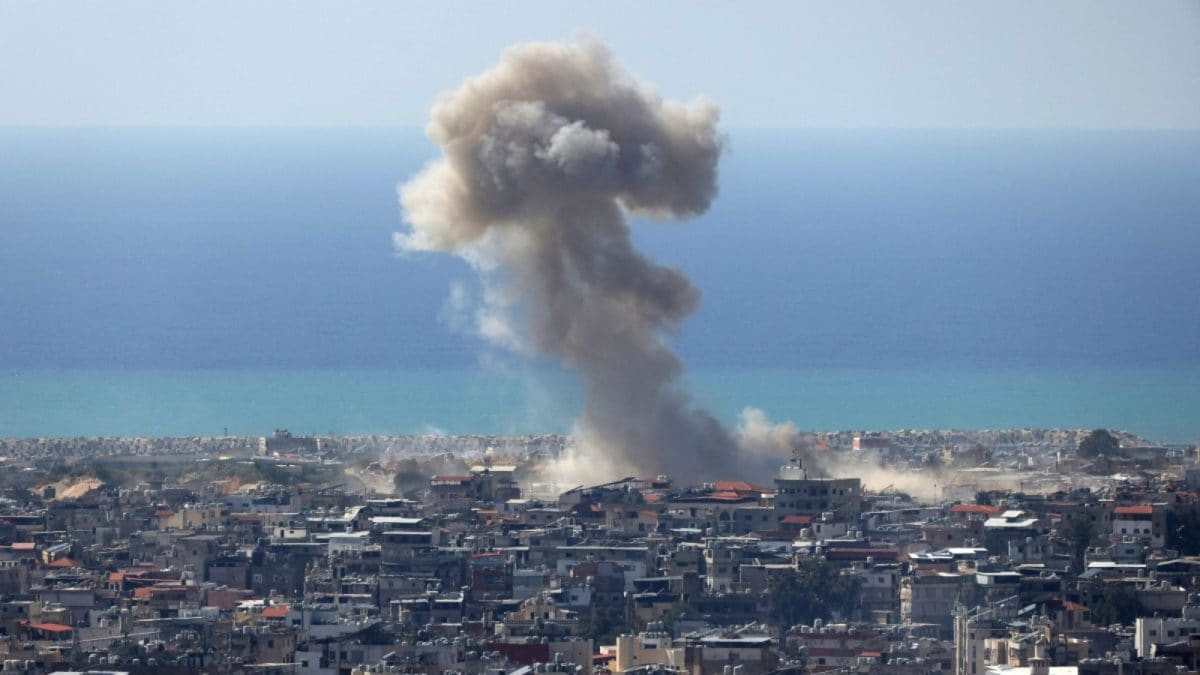
The Washington itinerary coincides with an announcement from the United States and Israel regarding a two‑week ceasefire with Iran, temporarily pausing a 40‑day conflict in West Asia. This development introduces a diplomatic opening that may affect broader strategic calculations for both India and the United States.
The ceasefire, brokered by United States and Israel, aims to reduce hostilities in a region where energy markets and security considerations are tightly interwoven. The temporary lull presents an opportunity for India and the United States to discuss coordinated positions on regional stability, maritime security, and the protection of energy supply chains.
What the Three‑Day Visit Entails
Foreign Secretary Vikram Misri is on a three‑day Washington visit. According to Ministry of External Affairs, the purpose of the trip is to assess the full spectrum of India‑United States relations and to push forward ongoing cooperation across multiple domains.
Ministry of External Affairs emphasizes that the visit offers an occasion to deepen connections across critical sectors and to sustain regular high‑level engagement between India and the United States.
The schedule includes bilateral meetings with senior officials from the United States administration, as well as side discussions with representatives from think tanks, business chambers, and scientific societies.
Agenda Highlights
During the Washington stay, Foreign Secretary Vikram Misri will engage with senior United States officials. The dialogue will span trade, defence, science and technology, as well as regional and global developments of shared interest.
Ministry of External Affairs underlines that the visit continues a pattern of frequent high‑level exchanges, following External Affairs Minister S Jaishankar’s earlier journey to Washington.
Specific agenda items include a review of the stalled India‑United States trade deal, discussions on defence procurement and joint exercises, exploration of collaborative research in emerging technologies, and coordinated responses to geopolitical trends in West Asia and the Indo‑Pacific.
Strategic Importance of the Visit
The Washington engagement highlights the continuity of top‑level contact between India and the United States. The timing aligns with global developments, such as tensions in West Asia, that raise concerns related to energy security and broader geopolitical stability.
In this context, coordination between New Delhi and Washington becomes more consequential. The Washington meetings will provide a platform to align positions on regional and global developments, including West Asia, maritime security, and supply‑chain resilience.
Experts describe the itinerary as a strategic consultation rather than a routine diplomatic exercise. The aim, according to analysts, is to keep India‑United States cooperation on track amid a period of worldwide uncertainty.
Parallel United States Diplomatic Activities
United States ambassador to India Sergio Gor is also currently in the United States. United States ambassador to India Sergio Gor met India’s Ambassador Vinay Mohan Kwatra and emphasized the importance of strong ties between India and the United States.
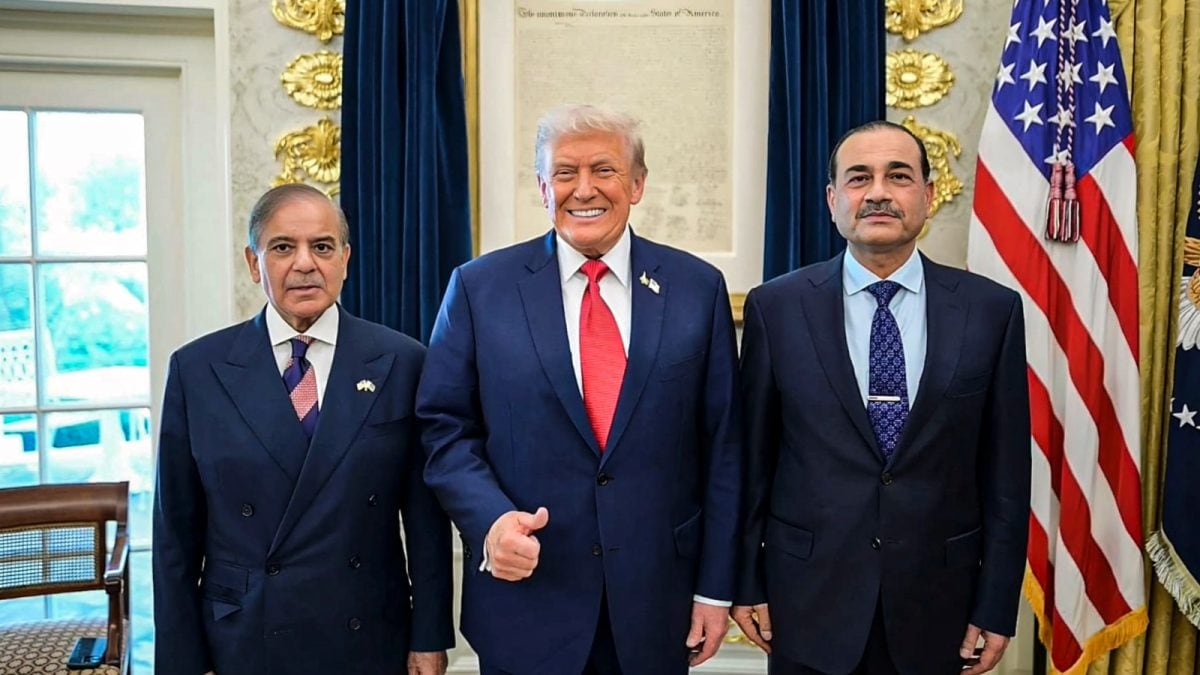
United States ambassador to India Sergio Gor also held meetings with United States Vice President JD Vance and FBI Director Kash Patel. United States ambassador to India Sergio Gor later joined President Donald Trump for dinner.
In an earlier interview, United States ambassador to India Sergio Gor said President Donald Trump regards Prime Minister Narendra Modi as a true friend, adding that the personal rapport strengthens bilateral relations between India and the United States. United States ambassador to India Sergio Gor reiterated that deepening India‑United States cooperation and working toward shared goals remains a priority for both sides.
Expert Perspectives on Bilateral Momentum
Commentators note that the combination of Foreign Secretary Vikram Misri’s Washington trip and External Affairs Minister S Jaishankar’s earlier visit signals a sustained diplomatic rhythm between New Delhi and Washington. The pattern suggests an intention to move beyond symbolic gestures and to operationalize aGreements across trade, security, and technology.
Analysts also point out that the ceasefire in West Asia provides a diplomatic window for India and the United States to articulate a coordinated stance on regional de‑escalation, thereby reinforcing their roles as stabilizing actors in a volatile neighborhood.
Furthermore, the stalled India‑United States trade deal is viewed as a litmus test for the resilience of economic ties. Observers contend that progress on the trade front could unlock additional investment flows, deepen supply‑chain integration, and broaden market access for businesses in both India and the United States.
Outlook and Anticipated Outcomes
Looking ahead, the Washington engagement is expected to generate a set of actionable recommendations that will guide future India‑United States collaboration. The recommendations are likely to address the procedural steps needed to revive the India‑United States trade deal, outline joint defence initiatives, and establish frameworks for cooperation in emerging technology domains.
Stakeholders anticipate that the dialogue will produce a clearer roadmap for aligning strategic interests in West Asia, ensuring maritime security in the Indian Ocean, and safeguarding critical supply chains that underpin the economies of both India and the United States.
In summary, Foreign Secretary Vikram Misri’s Washington visit stands as a pivotal moment for India‑United States relations, offering an opportunity to realign economic, security, and technological agendas while navigating an increasingly complex global environment.