Pakistan’s Strategic Media Offensive: Asim Munir’s Post‑Operation Sindoor English‑Language Outreach
Emerging Battlefield: Information Over Kinetic Conflict
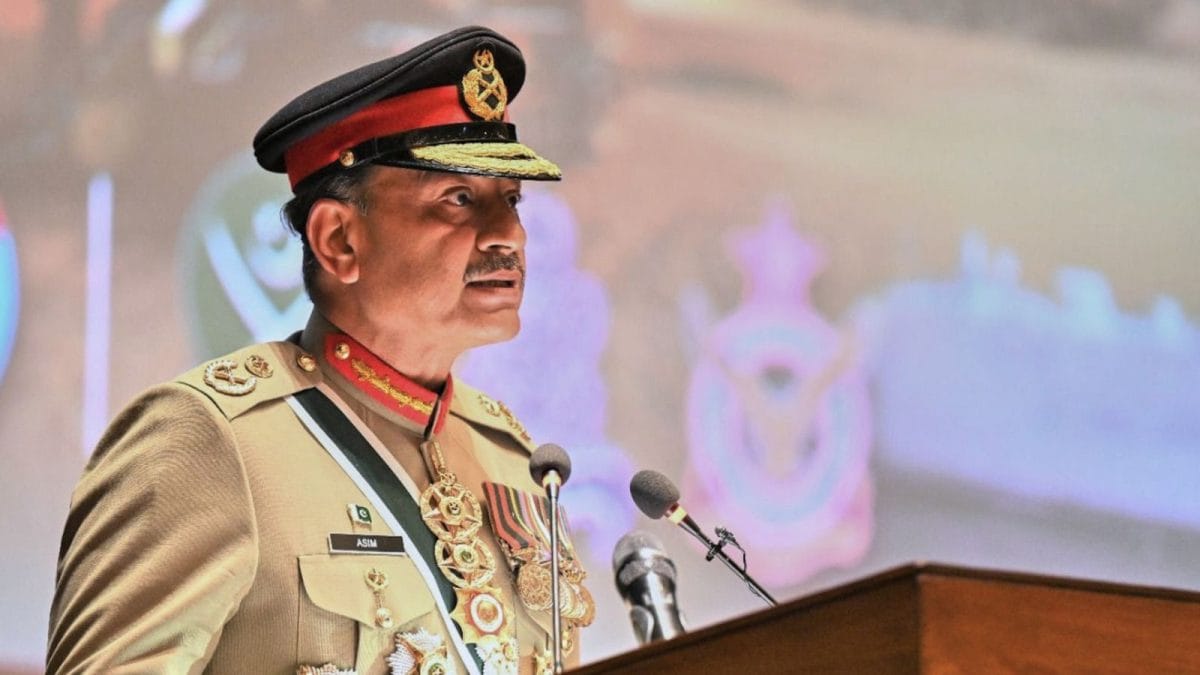
In the latest chapter of the longstanding India‑Pakistan rivalry, the arena of contest has shifted from conventional battlefields to the realm of information. According to a detailed investigation by DisinfoLab, Pakistan’s military establishment under Asim Munir is orchestrating a comprehensive media strategy that targets international audiences. The purpose of this strategy is to counter India’s entrenched narrative advantage by presenting a suite of English‑language platforms that appear independent while subtly advancing a pro‑Pakistan perspective.
The catalyst for this strategic pivot is attributed to the fallout from Operation Sindoor. The experience revealed that traditional reliance on Urdu‑language outlets and domestic messaging failed to resonate beyond Pakistan’s borders. While the Inter‑Services Public Relations (ISPR) continues to dominate domestic messaging, its influence diminishes sharply when addressing a global audience that expects multilingual, professional journalism.
Strategic Communication Master Plan: Blueprint for Global Influence
In response to the identified shortcomings, Rawalpindi initiated a Strategic Communication Master Plan. The plan outlines a multi‑year effort to construct a credible English‑language media ecosystem that can operate on the international stage. Central to this plan is the creation of platforms that mimic the editorial standards of established global broadcasters while embedding narratives favorable to Pakistan’s strategic interests.
Key components of the Strategic Communication Master Plan include the establishment of research institutions, the recruitment of experienced journalists with backgrounds in international newsrooms, and the allocation of resources toward state‑of‑the‑art production facilities. The overarching goal is to produce content that can compete for attention on the world stage, thereby narrowing the credibility gap that has historically favored India in international forums.
Institutional Pillar: Himalayan Institute of Research and Policy Studies
One of the flagship initiatives emerging from the Strategic Communication Master Plan is the Himalayan Institute of Research and Policy Studies at Minhaj University Lahore. The institute focuses on Himalayan geopolitics, security dynamics, and climate‑related challenges. Its staff composition includes a blend of academics, retired military officials, and analysts linked to the Institute of Strategic Studies Islamabad (ISSI).
The Himalayan Institute of Research and Policy Studies serves a dual purpose. First, it provides scholarly output that can be cited in international policy debates, thereby lending an aura of expertise to the broader media effort. Second, the institute acts as a talent pool for the new English‑language outlets, supplying analysts and commentators who can articulate Pakistan’s positions with authority and nuance.
New and Revived Media Outlets: Expanding the Reach
Parallel to the intellectual front, a series of media outlets have been launched or revitalized. AsiaOne News operates out of Karachi, providing English‑language coverage that targets both domestic audiences and the South Asian diaspora. DM News English maintains a bureau in Manchester, aiming to capture the attention of South Asian communities in Europe and to influence British media narratives.
Digital platforms such as FP92TV and Afrik1 TV have taken root in Paris. These outlets broadcast a mix of news, analysis, and cultural programming, all presented in English. According to the DisinfoLab report, personnel with prior experience at TRT World and individuals associated with military‑backed organisations are involved in the editorial processes of these platforms. This background enables the outlets to project an image of editorial independence while still aligning with the overarching objectives set by Pakistan’s military establishment under Asim Munir.
Operational Hurdles: Financial Strain and Credibility Gaps
Early observations indicate that the ambitious media network encounters familiar challenges. Historical attempts at English‑language broadcasting, exemplified by Geo English and DawnNews, faced financial constraints and struggled to earn sustained credibility among global viewers. The current cohort of outlets appears to be repeating some of those operational difficulties.
Reports of salary delays and logistical bottlenecks have surfaced concerning AsiaOne News. Such issues suggest that, despite fresh infusion of capital, structural problems—such as inadequate advertising revenue models and limited distribution partnerships—remain unresolved. The persistence of these challenges threatens the long‑term viability of the outlets, potentially undermining the Strategic Communication Master Plan’s objectives.
Indian Intelligence Assessment: A Coordinated Counter‑Narrative Effort
Indian intelligence sources have evaluated the emerging media ecosystem as a coordinated attempt by Pakistan’s military establishment under Asim Munir and its intelligence apparatus to reclaim narrative space on issues that are sensitive to India, most notably the Kashmir dispute. The emphasis on diaspora audiences and foreign‑facing platforms is interpreted as a strategy to bypass the credibility deficits that domestic Urdu‑language channels face.
According to these assessments, the new outlets are designed to generate plausible deniability for the state. By staffing the platforms with journalists who possess prior experience in internationally recognised newsrooms, Pakistan’s military establishment under Asim Munir seeks to shield the operation from direct attribution while still shaping the content agenda in subtle ways.
Implications for Regional Narrative Warfare
The launch of an English‑language media network by Pakistan’s military establishment under Asim Munir marks a significant escalation in the information war between India and Pakistan. By targeting audiences beyond the subcontinent, the network aims to influence policy debates in Western capitals, alter public opinion among diaspora communities, and challenge the narrative dominance that India enjoys in many international forums.
Should the network succeed in establishing a foothold, it may compel India to further intensify its own public diplomacy and media outreach efforts, potentially leading to an arms race in narrative influence. Moreover, the involvement of institutions such as the Himalayan Institute of Research and Policy Studies and the Institute of Strategic Studies Islamabad (ISSI) underscores the blending of academic research with state‑driven messaging, a trend that could blur the lines between independent scholarship and propaganda.
Future Outlook: Sustainability and Credibility
The long‑term sustainability of the English‑language outlets depends on their ability to overcome operational hurdles while maintaining journalistic standards that meet international expectations. Financial viability will likely hinge on diversified revenue streams, including advertising, content syndication, and possibly subscription models. Furthermore, the capacity of the outlets to retain talent without recurring salary delays will be crucial for preserving editorial quality.
Credibility remains the central obstacle. Audiences accustomed to transparent reporting will scrutinise the origins of the content, particularly if patterns of alignment with Pakistan’s military establishment under Asim Munir become evident. The success of the Strategic Communication Master Plan will therefore rest on the delicate balance between state guidance and perceived independence.