India Awaits Arrival of First Iranian Crude Load in Seven Years as Sanctions Pause
First Iranian Crude Shipment After a Seven‑Year Hiatus
India is on the brink of receiving its inaugural shipment of Iranian crude oil since the cessation of purchases that followed the imposition of U.S. sanctions in 2019. The temporary suspension of those sanctions, announced to alleviate worldwide fuel shortages, has opened a narrow window for the resumption of trade.
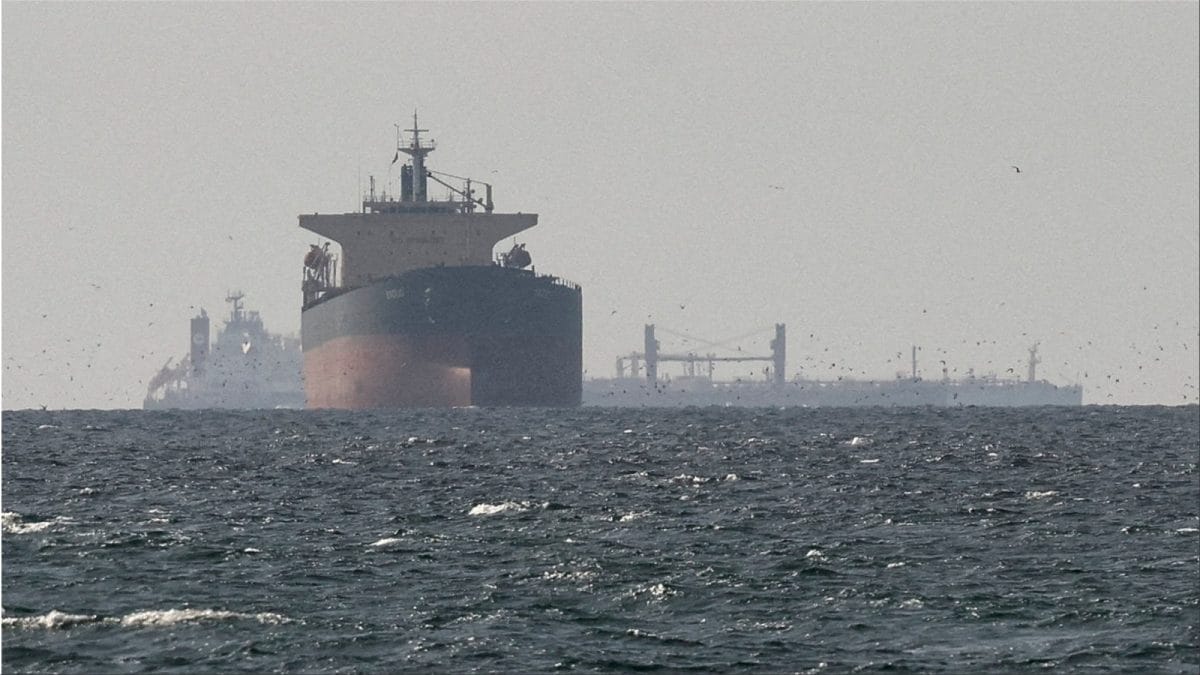
State‑run Indian Oil Corp, the nation’s largest refiner, has secured the cargo currently loaded on the Curacao‑flagged very large crude carrier Jaya. The vessel, classified as a VLCC, is charting a course toward India’s east coast and is slated to dock within the coming days.
According to ship‑tracking data supplied by LSEG and Kpler, the vessel Jaya initially set sail toward Southeast Asian waters with the intent of discharging its cargo in China. Subsequent routing changes redirected the vessel Jaya toward Indian ports, reflecting the newly granted permission to move Iranian oil into the Indian market.
Additional tracking information from LSEG indicates that another carrier, identified simply as Jordan, is also signalling India as its intended discharge location, further underscoring a modest revival of Iranian oil deliveries to the subcontinent.
The renewal of Iranian crude purchases represents a noteworthy shift in India’s energy procurement strategy. Since the 2019 sanctions, Indian Oil Corp and other Indian refiners have sourced crude exclusively from alternative suppliers, markedly reducing exposure to Iranian grades. The present cargo marks the first reversal of that trend in several years.
LPG Vessels Navigate the Strait of Hormuz Amid Ongoing Tensions
In parallel with the crude shipment, two India‑flagged liquefied petroleum gas carriers—Green Sangvi and Green Asha—have successfully transited the strategically sensitive Strait of Hormuz. Both vessels together carry more than sixty thousand metric tonnes of LPG and are expected to berth at Indian terminals within the next few days.
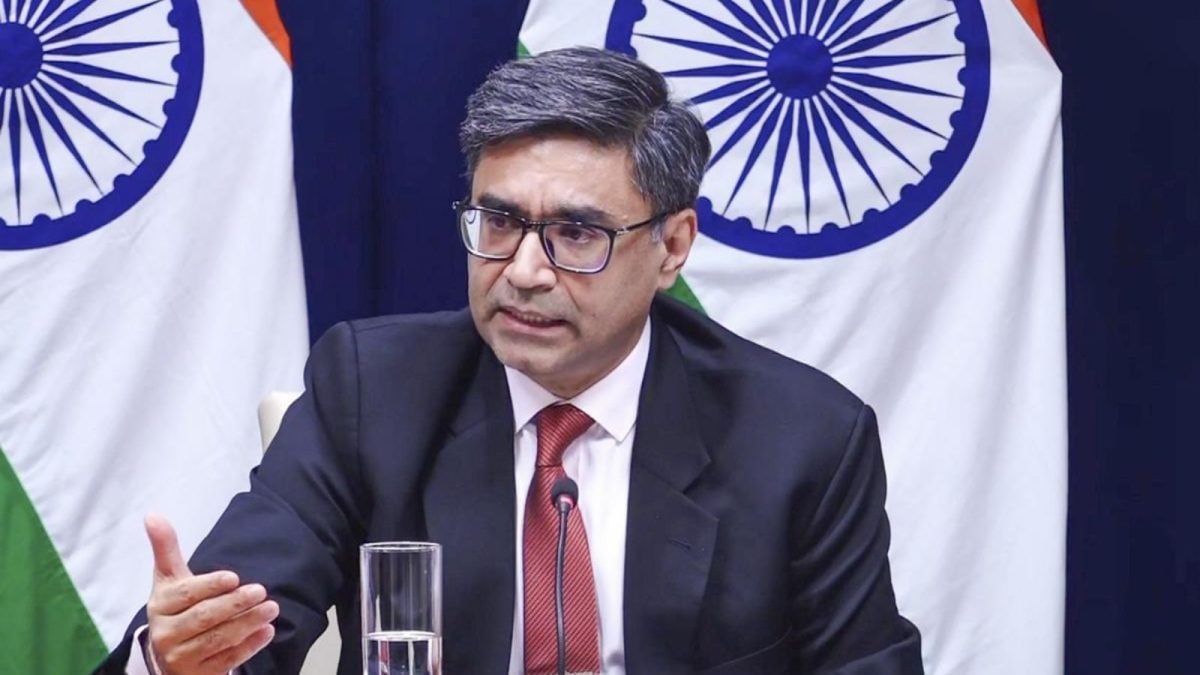
During a recent inter‑ministerial briefing, Additional Secretary Mukesh Mangal of the Ministry of Ports, Shipping and Waterways detailed the cargo specifications of the two vessels. Green Sangvi is reported to be transporting approximately forty‑six thousand metric tonnes of LPG and has twenty‑five Indian seafarers aboard. Green Asha is carrying fifteen thousand metric tonnes of LPG with twenty‑six Indian seafarers on board.
Additional Secretary Mukesh Mangal emphasized that both vessels belong to a broader fleet of India‑flagged ships operating throughout the Western Persian Gulf region. The briefing also highlighted that the Ministry of Ports, Shipping and Waterways is maintaining vigilant oversight of shipping movements, port activities, and the welfare of Indian nationals deployed in the area.
According to the briefing, sixteen India‑flagged vessels—encompassing crude carriers, LPG ships, container vessels, bulk carriers, a chemical tanker, and a dredger—are presently stationed in the Western Persian Gulf. These ships collectively host four hundred thirty‑three Indian seafarers, all of whom are accounted for under the current monitoring regime.
Additional Secretary Mukush Mangal assured that no incidents involving India‑flagged vessels have been reported in the preceding twenty‑four‑hour interval, and that Indian authorities are actively facilitating the safe repatriation of seafarers when required. To date, the Directorate General of Shipping has overseen the return of over one thousand five hundred Indian seafarers, including one hundred eighty within the last twenty‑four hours.
Government Oversight of Maritime Activity in the Gulf
The Ministry of Ports, Shipping and Waterways, in coordination with the Ministry of External Affairs and maritime stakeholders, continues to supervise all aspects of maritime trade that intersect with the Gulf region. This oversight encompasses vessel tracking, port readiness, and the deployment of naval assets for the protection of commercial shipping.
Official statements underline that port operations across the Indian states of Gujarat, Maharashtra, Goa, Kerala, Andhra Pradesh, and the Union Territory of Puducherry remain fully functional. The Ministry of Ports, Shipping and Waterways has reiterated its commitment to ensuring uninterrupted trade flows, despite the heightened risk environment that characterizes key shipping lanes such as the Strait of Hormuz.
Indian Navy warships are reportedly on standby to render assistance to merchant vessels operating in proximity to the Strait of Hormuz. This precautionary posture is intended to safeguard the safe passage of Indian‑flagged ships, including the LPG carriers Green Sangvi and Green Asha, as well as the crude carrier Jaya.
Continuity of LPG Deliveries Since Onset of Regional Conflict
Green Asha joins a sequence of India‑flagged LPG carriers that have successfully traversed the Strait of Hormuz since the escalation of hostilities in the Western Asia theatre. Earlier in the period, a shipment of roughly forty‑seven thousand metric tonnes of LPG arrived at the Vadinar Terminal in Jamnagar, Gujarat, via the vessel MT Jag Vasant. That cargo transfer was executed through a ship‑to‑ship operation conducted at anchorage, thereby avoiding the need for a direct dockside off‑load.
Officials have highlighted that Indian naval assets remained on alert throughout the operation, ready to provide immediate assistance if required. Coordination among the Ministry of Ports, Shipping and Waterways, the Ministry of External Affairs, and industry participants has been described as seamless, ensuring that the flow of essential LPG supplies continues uninterrupted.
Overall, the combination of resumed Iranian crude imports, ongoing LPG shipments, and robust governmental monitoring illustrates India’s capacity to adapt its energy logistics in response to shifting geopolitical constraints while preserving the safety of its maritime workforce.