Iranian Envoy Applauds Prime Minister Narendra Modi’s Multiple Dialogues, Hails Indian People’s Exceptional Warmth
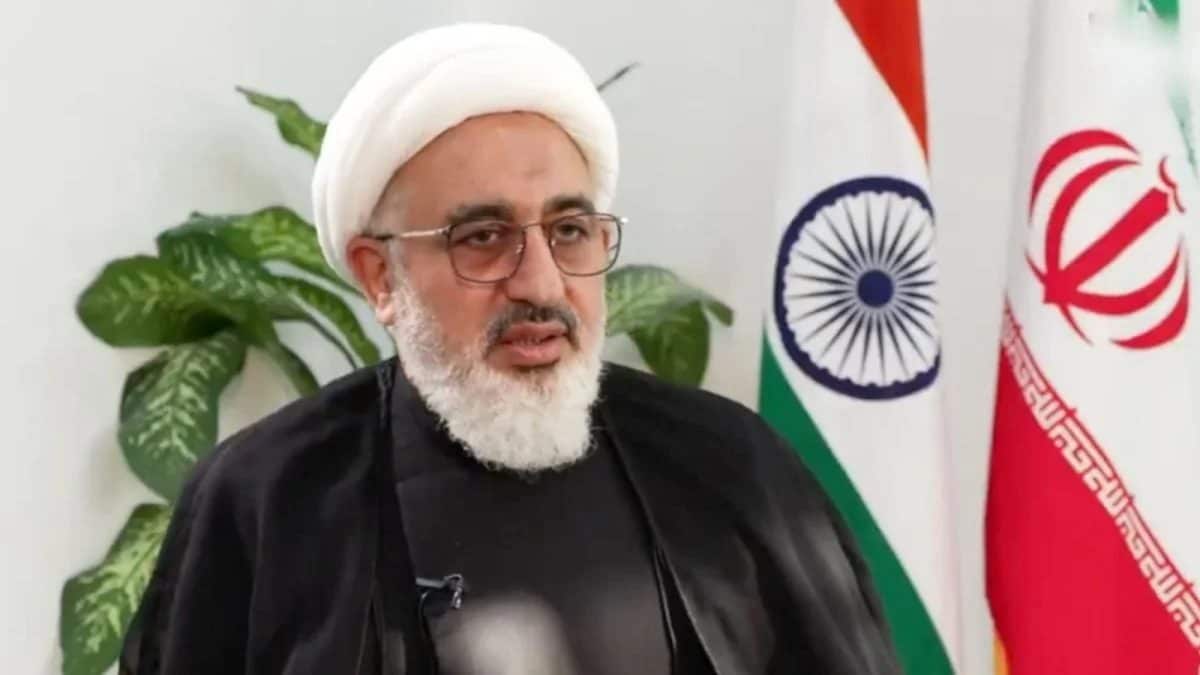
Dr Abdul Majid Hakeem Ilahi emphasizes Prime Minister Narendra Modi’s sustained engagement with Iranian leadership
In a detailed exchange with a news agency, Dr Abdul Majid Hakeem Ilahi highlighted that Prime Minister Narendra Modi has conducted a series of conversations with Iran’s president, estimating the number of interactions to be three or more. Dr Abdul Majid Hakeem Ilahi described each of those discussions as "very good," underscoring the depth and productivity of the diplomatic exchange.
According to Dr Abdul Majid Hakeem Ilahi, the tone of the dialogues has been consistently constructive, fostering an atmosphere of mutual respect and strategic cooperation. The Iranian representative noted that the substance of the talks has covered a broad spectrum of issues ranging from regional security considerations to economic partnerships, reflecting the multifaceted nature of India‑Iran relations.
India’s External Affairs Minister Mirrors the Momentum
Alongside Prime Minister Narendra Modi’s engagements, Dr Abdul Majid Hakeem Ilahi pointed out that India’s External Affairs Minister has also held several successful conversations with the Iranian counterpart. Dr Abdul Majid Hakeem Ilahi stressed that these parallel diplomatic tracks reinforce the overall framework of cooperation between the two nations, allowing for a more nuanced handling of complex regional dynamics.
Dr Abdul Majid Hakeem Ilahi emphasized that the parallel dialogues enable both governments to address immediate concerns while simultaneously laying the groundwork for longer‑term collaborative projects. The Iranian envoy asserted that such layered interaction epitomizes the maturity of the bilateral relationship, illustrating how both sides are committed to sustaining dialogue even when external pressures intensify.
India’s Position in the Context of U.S.–Iran Tensions
When asked to delineate India’s role amidst the heightened tensions between the United States and Iran, Dr Abdul Majid Hakeem Ilahi articulated a vision of India as a stabilizing presence in the region. Dr Abdul Majid Hakeem Ilahi argued that India, by virtue of its historical ties and strategic geography, possesses a unique capacity to mediate and de‑escalate potential flashpoints.
Dr Abdul Majid Hakeem Ilahi further asserted that India’s diplomatic outreach, exemplified by the series of talks led by Prime Minister Narendra Modi, demonstrates a proactive stance aimed at preventing the spread of conflict beyond the immediate theater of confrontation. The Iranian envoy maintained that India’s engagement is not merely symbolic but grounded in concrete policy initiatives that seek to protect regional trade routes, safeguard energy supplies, and support humanitarian efforts.
Assertions Regarding the Origin and Nature of Hostilities
Dr Abdul Majid Hakeem Ilahi made a clear statement that Iran does not harbor any aspiration to engage in armed conflict with its neighboring states. According to Dr Abdul Majid Hakeem Ilahi, the escalation that has unfolded was not a product of Iran’s own strategic calculations but rather an imposition imposed upon Tehran by external actors.
In the same breath, Dr Abdul Majid Hakeem Ilahi highlighted a recent two‑week ceasefire aGreement that was reached between Iran and the United States. Dr Abdul Majid Hakeem Ilahi described this temporary pause in hostilities as a welcomed respite, emphasizing that Iran entered the ceasefire not out of concession but as a strategic necessity in response to external pressures.
Claims About United States Military Operations
Dr Abdul Majid Hakeem Ilahi alleged that the United States has not launched its attacks from its own mainland territories, such as Washington or New York. Instead, Dr Abdul Majid Hakeem Ilahi asserted that the United States has utilized military bases situated within several Arab nations to conduct operations directed at Iranian targets.
According to Dr Abdul Majid Hakeem Ilahi, missiles that struck civilian installations, including an educational institution in Minab, were launched from these foreign bases, thereby shifting responsibility for civilian casualties onto the host nations that provided launch platforms. Dr Abdul Majid Hakeem Ilahi emphasized that these claims are central to understanding the broader narrative of how regional dynamics have been shaped by external military involvement.
Iran’s Strategic Response and Target Selection
Dr Abdul Majid Hakeem Ilahi clarified that Iran’s retaliatory actions have been carefully calibrated. According to Dr Abdul Majid Hakeem Ilahi, Iran’s response has been directed exclusively toward United States military installations, consciously avoiding civilian infrastructure to mitigate further humanitarian impact.
This deliberate targeting approach, as explained by Dr Abdul Majid Hakeem Ilahi, reflects Iran’s intent to maintain a moral high ground while defending its sovereignty. Dr Abdul Majid Hakeem Ilahi underscored that the measured nature of the response aligns with Tehran’s broader diplomatic messaging that emphasizes restraint and proportionality.
Hope for Greater Regional Understanding
In concluding remarks, Dr Abdul Majid Hakeem Ilahi expressed optimism that neighboring countries will develop a deeper comprehension of Tehran’s strategic posture. Dr Abdul Majid Hakeem Ilahi called for an environment in which regional actors can recognize Iran’s commitment to peaceful coexistence and constructive engagement.
Dr Abdul Majid Hakeem Ilahi reiterated that Iran remains steadfast in its desire to nurture amicable and collaborative relationships across the Middle East and South Asia. The Iranian envoy highlighted the importance of dialogue, confidence‑building measures, and economic interdependence as pillars for achieving lasting stability.
Indian Public Sentiment and Bilateral Warmth
Beyond the official diplomatic channels, Dr Abdul Majid Hakeem Ilahi praised the Indian populace for what he described as “extraordinary warmth and goodwill.” According to Dr Abdul Majid Hakeem Ilahi, the genuine hospitality extended by people across India has played an instrumental role in deepening people‑to‑people connections between the two nations.
Dr Abdul Majid Hakeem Ilahi highlighted that cultural exchanges, educational collaborations, and trade interactions have been consistently reinforced by the positive attitudes of citizens on both sides. The Iranian representative argued that this societal goodwill forms the bedrock upon which official diplomatic achievements can flourish.