External Affairs Minister S Jaishankar to Convene Strategic Talks with Bangladesh’s Khalilur Rahman in New Delhi
External Affairs Minister S Jaishankar will host Bangladesh Foreign Minister Khalilur Rahman in the Indian capital, a meeting that carries substantial diplomatic weight amid a volatile regional environment.
Purpose and Scope of the New Delhi Encounter
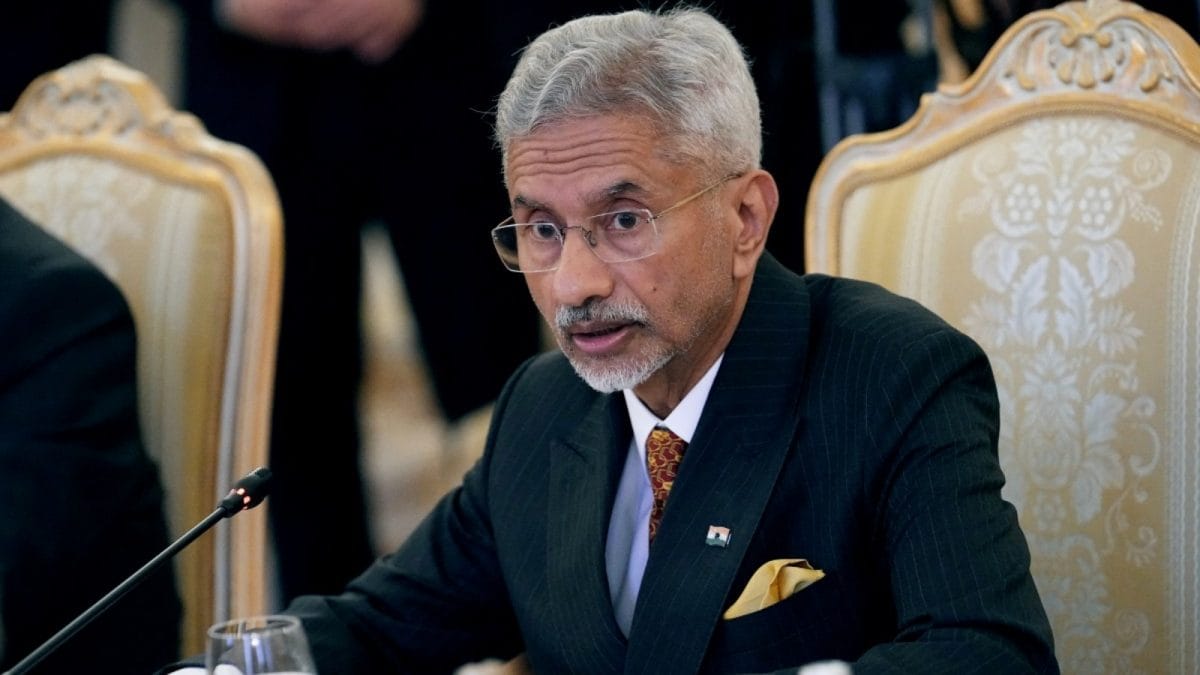
External Affairs Minister S Jaishankar will engage Bangladesh Foreign Minister Khalilur Rahman in a series of discussions aimed at strengthening the historic partnership between India and Bangladesh. Both officials will explore avenues for enhanced cooperation across sectors such as trade, energy, security and people‑to‑people contacts. The dialogue will also address pressing regional challenges, notably the conflict that continues to unfold across West Asia, where multiple powers are actively involved.
In addition to the bilateral conversation, Bangladesh Foreign Minister Khalilur Rahman is slated to hold separate meetings with National Security Adviser Ajit Doval, Union Commerce and Industry Minister Piyush Goyal and Union Petroleum and Natural Gas Minister Hardeep Singh Puri. These interactions underscore the multi‑dimensional nature of the outreach, reflecting an intent to coordinate policy positions on security, commerce and energy matters.
Historical Context of the Visit
The current visit marks the first occasion on which a Bangladeshi senior minister has traveled to India since the Bangladesh Nationalist Party (BNP) assumed governance. The change in political leadership in Bangladesh introduced a new diplomatic cadence, prompting both nations to reassess and recalibrate their engagement strategies.
Relations between India and Bangladesh experienced turbulence after the ascent of a Muhammad Yunus‑led administration, which followed a period of widespread public dissent that culminated in the displacement of the Sheikh Hasina‑led government. During that interval, reports of violence targeting minority groups in Bangladesh emerged, prompting vocal criticism from New Delhi. India’s diplomatic corps consistently urged respect for human rights and the protection of vulnerable communities, aligning its statements with international norms.
Subsequent diplomatic initiatives sought to restore confidence and stability in the bilateral relationship. Notably, Lok Sabha Speaker Om Birla and Foreign Secretary Vikram Misri represented India at the oath‑taking ceremony of Prime Minister Tarique Rahman in Dhaka, a gesture that signaled India’s willingness to engage constructively with the new government. Prime Minister Tarique Rahman assumed office after his party secured a decisive victory in the parliamentary elections, setting the stage for renewed diplomatic dialogue.
Key Themes Likely to Shape the Dialogue
Both External Affairs Minister S Jaishankar and Bangladesh Foreign Minister Khalilur Rahman are expected to place a strong emphasis on deepening economic linkages. Trade between India and Bangladesh has historically been robust, and both parties are keen to expand market access for goods and services, streamline customs procedures, and explore joint ventures in emerging sectors such as digital technology and renewable energy.
Energy cooperation will also feature prominently. Union Petroleum and Natural Gas Minister Hardeep Singh Puri is scheduled to meet Bangladesh Foreign Minister Khalilur Rahman, underscoring the importance both sides attach to coordinated policies on oil, gas and alternative energy sources. The potential for collaborative projects in natural gas pipelines and cross‑border electricity trade may be examined in detail.
Security considerations remain at the forefront of the agenda. National Security Adviser Ajit Doval’s meeting with Bangladesh Foreign Minister Khalilur Rahman will likely focus on counter‑terrorism, border management and the prevention of illicit trafficking. Both nations share concerns over transnational threats that could undermine stability along their borders and within the broader South Asian region.
The ongoing conflict in West Asia adds an additional layer of complexity. External Affairs Minister S Jaishankar and Bangladesh Foreign Minister Khalilur Rahman have consistently advocated for diplomatic engagement, urging all parties to de‑escalate tensions and adhere to established principles of international law. The upcoming talks provide an opportunity for the two capitals to coordinate their positions in multilateral forums, reinforcing a shared commitment to peaceful resolution.
Strategic Implications for Regional Architecture
The convergence of high‑level meetings in New Delhi signals a strategic intention to shape the regional security architecture in a manner that reflects both India’s and Bangladesh’s priorities. By aligning on issues ranging from trade to counter‑terrorism, the two governments aim to present a unified front that can influence broader regional dynamics.
Furthermore, the emphasis on dialogue concerning the West Asian situation illustrates a willingness to act as mediators, encouraging negotiation over confrontation. Both External Affairs Minister S Jaishankar and Bangladesh Foreign Minister Khalilur Rahman have publicly reiterated their support for multilateral mechanisms that promote conflict resolution, thereby enhancing their credibility on the global stage.
In the context of shifting geopolitical currents, the interaction between India and Bangladesh takes on added significance. The shared border, extensive people‑to‑people ties and interdependent economies create a foundation for collaborative approaches that can address challenges such as climate change, migration and resource management.
Prospects for Future Cooperation
Looking ahead, the outcomes of the New Delhi discussions are expected to lay the groundwork for a series of joint initiatives. Areas such as infrastructure development, especially in border‑region connectivity, could see accelerated progress through coordinated planning and financing.
Education and cultural exchange programs may also receive renewed attention, fostering deeper understanding between the peoples of India and Bangladesh. By strengthening soft‑power linkages, both nations can build resilient ties that endure beyond the ebb and flow of political cycles.
Finally, the high‑level engagement underscores a commitment to institutionalizing mechanisms for regular consultation. The establishment of joint working groups or annual ministerial dialogues could ensure that both External Affairs Minister S Jaishankar and Bangladesh Foreign Minister Khalilur Rahman maintain an ongoing channel for addressing emerging issues.