Clash Over the Reach of the United States‑Brokered Iran Ceasefire: Israel Says No, Pakistan Says Yes
Conflicting Interpretations Emerge Over the Scope of the Ceasefire
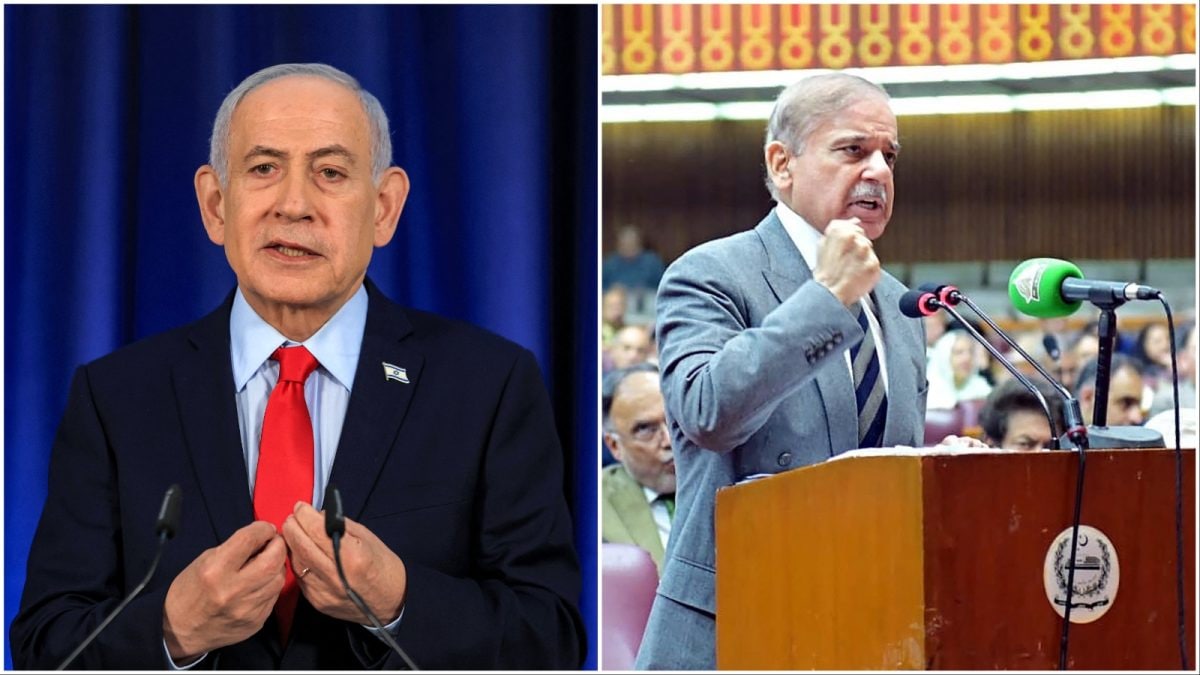
Israel and Pakistan have issued contradictory statements regarding the geographical coverage of the United States‑brokered two‑week ceasefire with Iran. Prime Minister Benjamin Netanyahu’s office maintains that the aGreement does not extend to Israel’s military actions against Hezbollah in Lebanon, while Prime Minister Shehbaz Sharif asserts that the ceasefire is intended to apply “everywhere,” including the Lebanese front.
Israel has expressed support for United States President Donald Trump’s decision to pause strikes against Iran for a fortnight as part of a broader effort to de‑escalate the conflict and open a diplomatic window.
Prime Minister Benjamin Netanyahu’s office clarified that the ceasefire covers hostilities involving Iran alone and does not encompass fighting against Hezbollah.
Pakistan, which played a mediating role in forging the aGreement, has presented a differing interpretation. Prime Minister Shehbaz Sharif posted on the social‑media platform X that the ceasefire extends to Israel’s campaign in Lebanon, suggesting that the pause in hostilities should apply across multiple theatres of the widening regional conflict.
AFP reported that Prime Minister Shehbaz Sharif described the ceasefire as applying “everywhere,” including Lebanon, although Israel later reiterated that the arrangement does not cover the Lebanese theatre, where Israeli forces continue aerial and ground operations against the Iran‑backed Hezbollah group.
Israel’s Conditions for a Broader Truce
Prime Minister Benjamin Netanyahu’s office said Israel supports Washington’s effort to ensure that Iran no longer poses a nuclear, missile or “terror” threat to the United States, Israel or Iran’s Arab neighbours.
The same statement added that the United States had reassured Israel that Washington remained committed to achieving shared strategic objectives during upcoming negotiations.
Iran confirmed that talks with the United States are scheduled to begin in Islamabad, further underlining Pakistan’s central diplomatic role in attempting to de‑escalate the conflict.
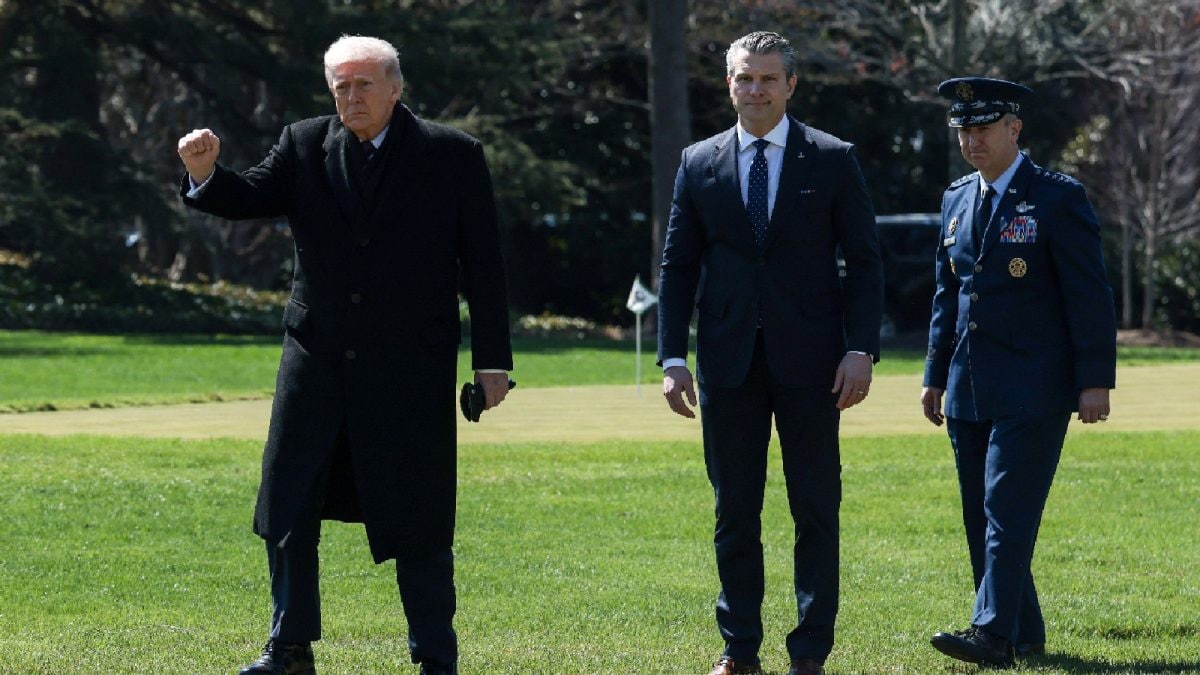
United States President Donald Trump described the aGreement as a “double sided CEASEFIRE!” on Truth Social, stating that the United States had already met and exceeded its military objectives and was progressing toward a long‑term peace arrangement with Iran.
Lebanon Remains a Flashpoint as Fighting Persists
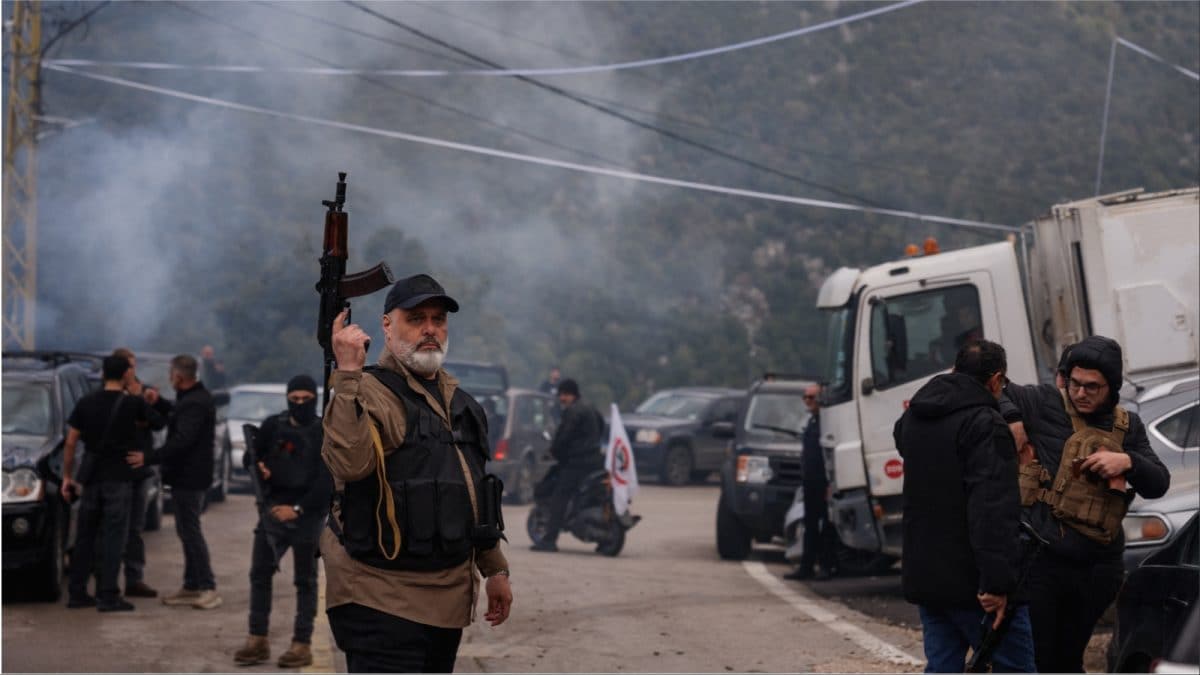
The disaGreement over the ceasefire’s scope coincides with ongoing combat in Lebanon, which has been drawn deeper into the conflict following Hezbollah’s attacks on Israel in solidarity with Tehran.
Gree reported that Israel’s offensive in Lebanon has resulted in at least 1,500 fatalities and displaced roughly 1.2 million people.
Lebanon became entangled in the war after Hezbollah fired rockets at Israel just two days after Iran was attacked by Israel and the United States, prompting Israel to launch a combined ground and air offensive targeting Hezbollah positions.
Lebanon’s state news agency NNA reported continued Israeli strikes across southern Lebanon, including artillery shelling and a dawn air strike on a building near a hospital that killed four individuals. NNA also reported attacks on several towns and a medical point that caused injuries.
Israel’s position that the ceasefire does not apply to Lebanon highlights the complex, multi‑front nature of the conflict, even as diplomatic initiatives seek to halt hostilities involving Iran.
Origins of the Ceasefire Amid an Escalating Regional War
The war began when Israel and the United States launched strikes on Iran that killed the country’s supreme leader, triggering retaliatory attacks from Tehran against Israel and Gulf nations.
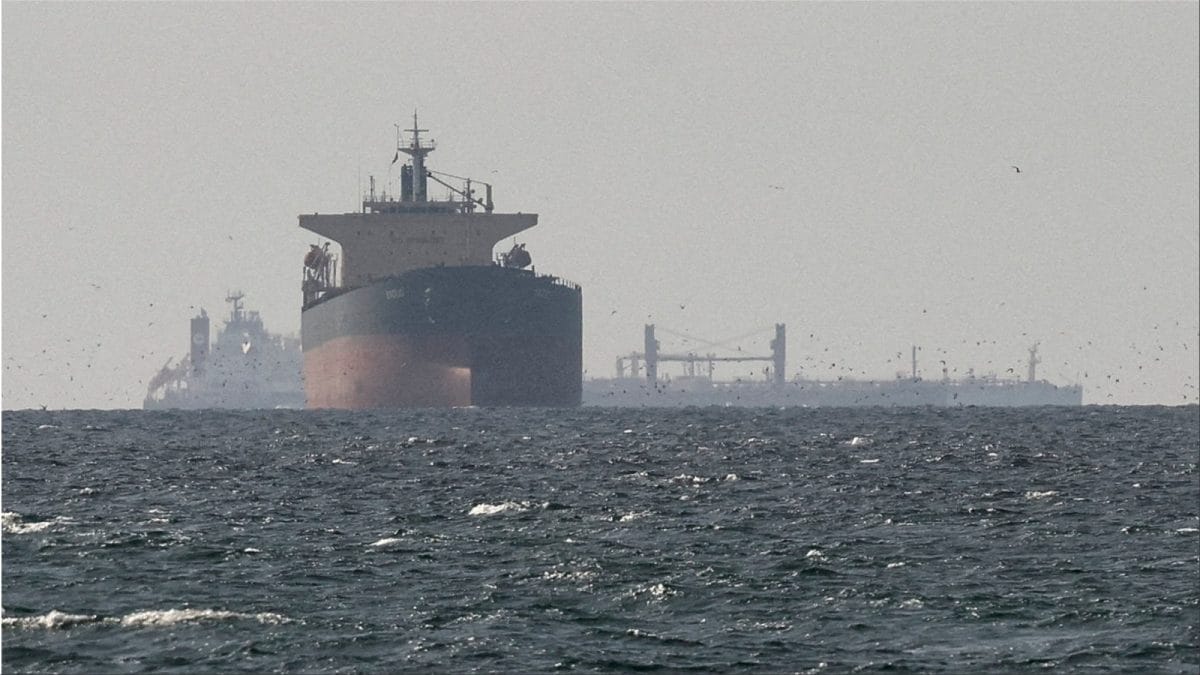
United States President Donald Trump aGreed to the two‑week ceasefire less than two hours before a deadline he had set for Iran to reopen the Strait of Hormuz or face attacks on civilian infrastructure.
The waterway typically handles about one‑fifth of global oil shipments, making it strategically critical to global energy markets.
Iran’s foreign minister Abbas Araqchi said Tehran would cease counter‑attacks and allow safe passage through the strait if attacks against Iran stopped.
Strategic Implications of the Strait of Hormuz Clause
The Strait of Hormuz clause lies at the heart of the United States‑brokered ceasefire. The strait’s importance to worldwide oil flows gives it outsized diplomatic leverage. Israel’s insistence that Iran reopen the passage before any broader truce can take hold reflects a calculation that regional security hinges on unhindered maritime traffic.
Pakistan’s interpretation that the ceasefire applies “everywhere” suggests that Islamabad views the strait issue as part of a larger framework that also encompasses direct confrontations between Israel and Hezbollah.
Both Israel and Pakistan therefore frame their positions around the same factual anchor—the requirement that Iran halt hostile actions—yet they diverge on whether that single condition automatically extends to other combatants operating in neighboring theatres.
Broader Regional Context and Potential Pathways Forward
While the United States‑brokered ceasefire seeks to pause hostilities between Iran and its adversaries, the conflict’s multi‑dimensional character makes a uniform pause difficult to achieve. Hezbollah’s allegiance to Tehran, combined with Israel’s determination to limit Hezbollah’s capacity to strike, creates a separate but intertwined front that remains volatile.
Diplomatic channels continue to operate through Islamabad, where Pakistan has positioned itself as a mediator capable of bridging the divergent expectations of the parties involved. The scheduled talks in Islamabad could serve as a platform for clarifying whether the ceasefire’s language permits an extension to Hezbollah‑related operations.
United States President Donald Trump’s public framing of the ceasefire as a “double sided CEASEFIRE!” signals an intent to portray the aGreement as mutually beneficial, yet the contrasting statements from Israel and Pakistan underscore the need for precise language in any future extension.
The interplay between the ceasefire’s geographic scope, the strategic importance of the Strait of Hormuz, and the ongoing humanitarian toll in Lebanon will shape the next phase of diplomatic engagement. Any misalignment in interpretation risks reigniting hostilities, whereas a consensus on scope could pave the way for a more comprehensive de‑escalation.