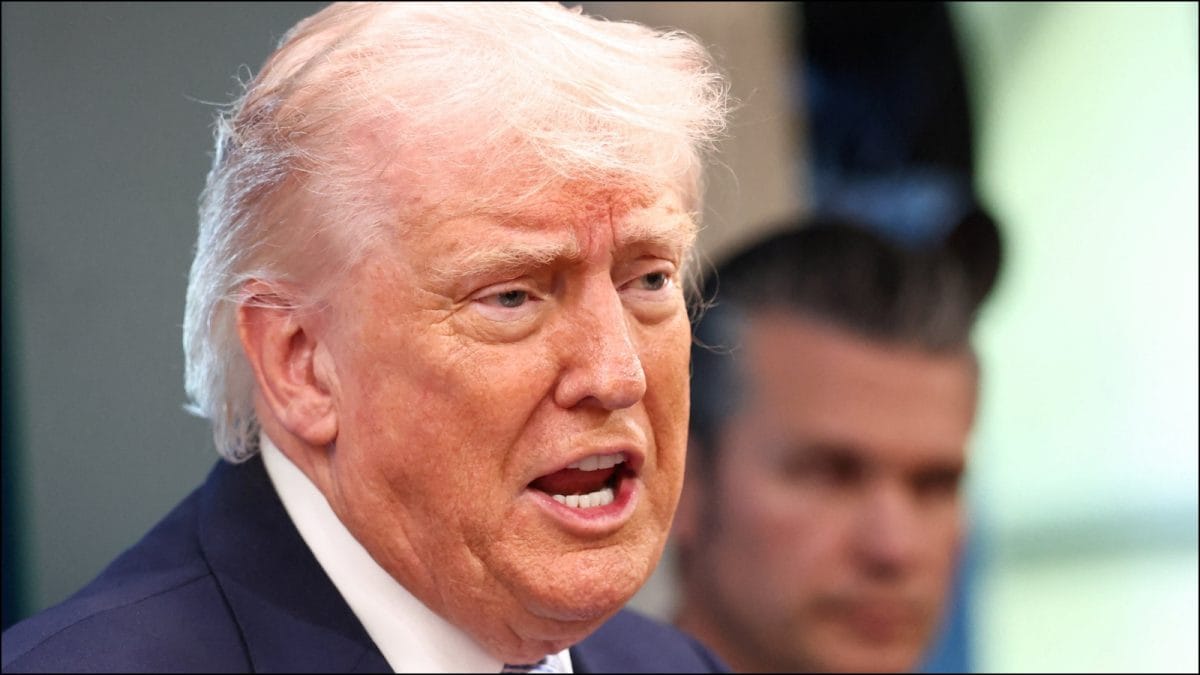
Donald Trump Issues Stark Ultimatum: Reopen the Hormuz Strait Immediately
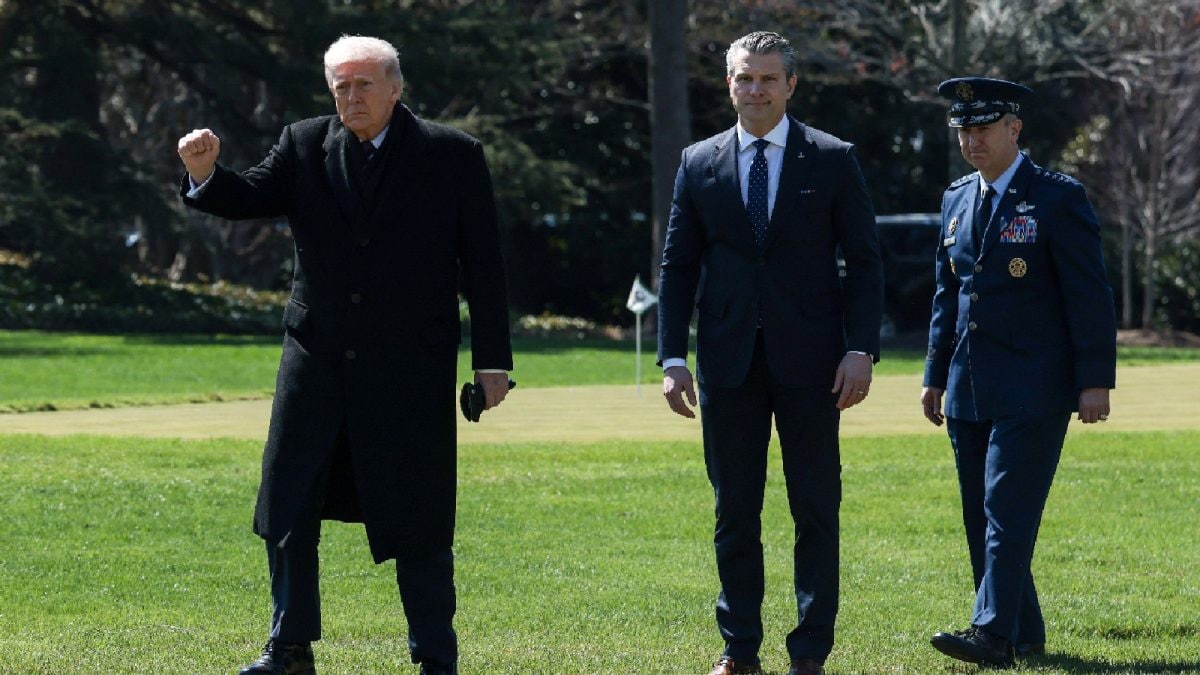
Donald Trump calls Tuesday a "Power Plant Day and Bridge Day" in Iran
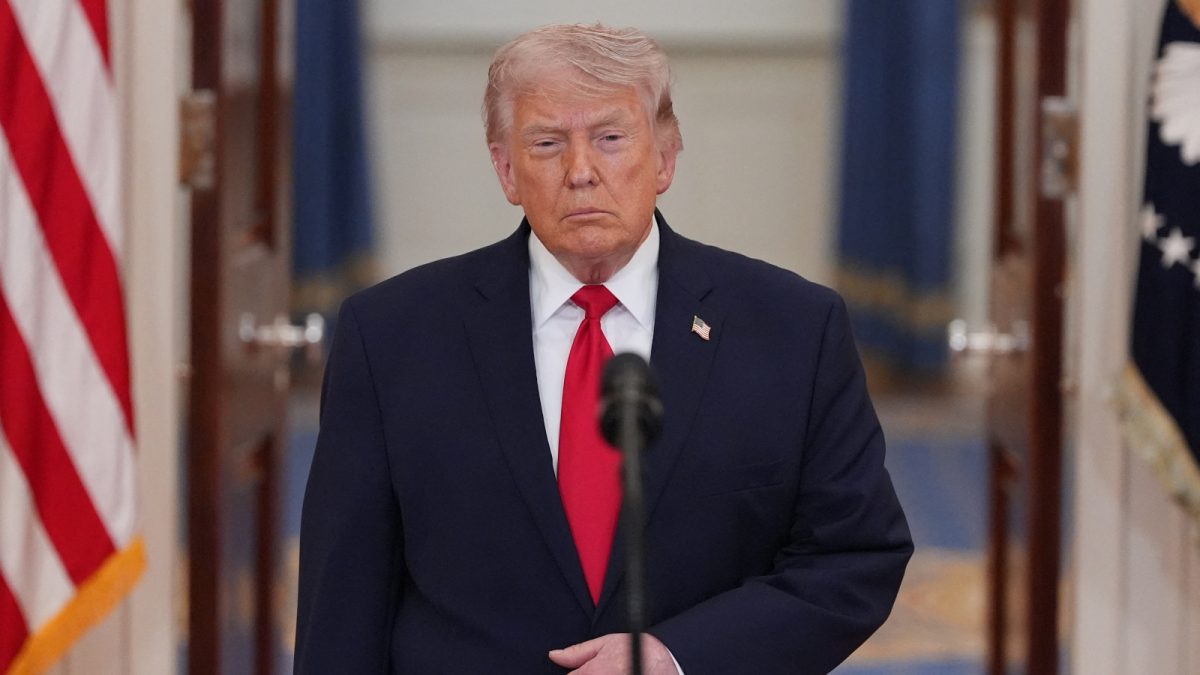
Donald Trump posted a strongly worded message on Truth Social, demanding that Iran reopen the strategic Strait of Hormuz without delay. The post featured an explicit warning: “Open the F*****’ Strait, you crazy bastards, or you’ll be living in Hell – JUST WATCH!” Donald Trump framed the deadline as a de facto Tuesday deadline, describing the day as a combined “Power Plant Day and Bridge Day” for Iran.
Donald Trump’s language left no room for ambiguity. The demand was couched in a direct threat, insisting that Iran must act before the specified day concludes, or face what Donald Trump described as “all Hell will reign down” on the nation.
In immediate response, the Iranian Embassy in Thailand released a statement on X criticizing the profanity used by Donald Trump. The embassy’s post read, “We know that some Americans swear, but is this the best and finest of you as POTUS? Is this how you want to be represented in the world? Language!” The embassy’s rebuke highlighted concerns about diplomatic decorum and the impact of such language on global perception of leadership.
Donald Trump’s latest demand mirrors an earlier ultimatum that gave Iran a 48‑hour window to either negotiate a deal or open the Strait of Hormuz. That earlier warning was issued after Donald Trump previously granted a ten‑day period for compliance. The progression of deadlines underscores Donald Trump’s escalating pressure on Iran regarding the waterway.
Donald Trump reminded followers of the prior ten‑day notice by writing, “Remember when I gave Iran ten days to MAKE A DEAL or OPEN UP THE HORMUZ STRAIT.” The message continued, “Time is running out — 48 hours before all Hell will reign down on them,” and concluded with a declaration of faith: “Glory be to GOD!”
The chronology of threats began on a previous occasion when Donald Trump announced that Iran’s power plants would be targeted if the Strait of Hormuz remained closed. Donald Trump specifically threatened to “obliterate” Iran’s largest power facilities unless the waterway was fully opened within a 48‑hour window.
Subsequently, Donald Trump noted a brief pause, stating that “very good and productive conversations” with Iranian authorities had taken place, prompting a temporary postponement of any planned strikes on energy infrastructure. The postponement extended the deadline to 8:00 pm on the following Monday, effectively shifting the final moment to the early hours of Tuesday.
Legal experts have weighed in on the potential ramifications of targeting civilian energy infrastructure. These experts caution that any deliberate attack on power plants could be classified as a war crime under international humanitarian law, raising serious legal and moral questions about the proposed course of action.
The Strait of Hormuz holds immense strategic importance, serving as a vital conduit for a significant portion of the world’s petroleum shipments. The closure of this narrow passage has historically prompted heightened tension and economic repercussions far beyond the immediate region. Donald Trump’s demand to reopen the waterway therefore carries implications that extend to global energy markets and maritime security.
Donald Trump’s emphasis on “Power Plant Day” suggests an intention to link the reopening of the waterway with the operational status of Iran’s electricity generation network. By threatening to disrupt power generation, Donald Trump aimed to exert pressure on Iran’s domestic stability while simultaneously signaling resolve to the international community.
The Iranian Embassy in Thailand’s response underscores a broader diplomatic pushback against the language and tone employed by Donald Trump. The embassy’s critique points to concerns over the reputational damage that profanity and aggressive posturing may inflict on the image of the United States on the world stage.
Donald Trump’s repeated use of urgent deadlines and stark warnings reflects a pattern of high‑intensity messaging intended to compel rapid compliance. The escalation from a ten‑day notice to a 48‑hour ultimatum illustrates a tightening timeline that seeks to limit diplomatic maneuvering and force a decisive outcome.
Observers note that the interplay between diplomatic rhetoric and potential military action raises questions about the threshold for armed conflict. The public nature of Donald Trump’s statements on Truth Social amplifies the pressure on Iran, while simultaneously offering a transparent record of the United States’ expectations and the consequences of non‑compliance.
Donald Trump’s declaration that “all Hell will reign down” on Iran if the Strait remains closed signals an intention to employ overwhelming force should diplomatic efforts falter. This rhetoric aligns with a broader strategic posture that leverages both economic and kinetic tools to achieve geopolitical objectives.
While the threat to Iran’s power plants remains a focal point, the underlying demand centers on securing uninterrupted passage through the Strait of Hormuz. The waterway’s significance to global oil flows means that any prolonged closure could trigger widespread market volatility, prompting reaction from governments, corporations, and financial institutions worldwide.
Donald Trump’s articulation of a “Power Plant Day and Bridge Day” conveys a dual‑pronged approach: restoring the flow of maritime traffic while ensuring that Iran’s internal energy infrastructure remains functional. The synthesis of these two elements illustrates a comprehensive strategy designed to address both external and internal pressures.
International law experts caution that any preemptive strike against civilian energy facilities would need to satisfy stringent criteria to avoid classification as an unlawful attack. The principles of distinction, proportionality, and military necessity would be scrutinized in any post‑action analysis, and violations could trigger investigations by international bodies.
The conversation surrounding the Hormuz Strait thus encapsulates a complex matrix of strategic, legal, and diplomatic considerations. Donald Trump’s forceful messaging adds a layer of urgency that places the issue at the forefront of international debate.