Navigating Turbulence: How Air Travelers Adapted to the US‑Iran War’s New Landscape
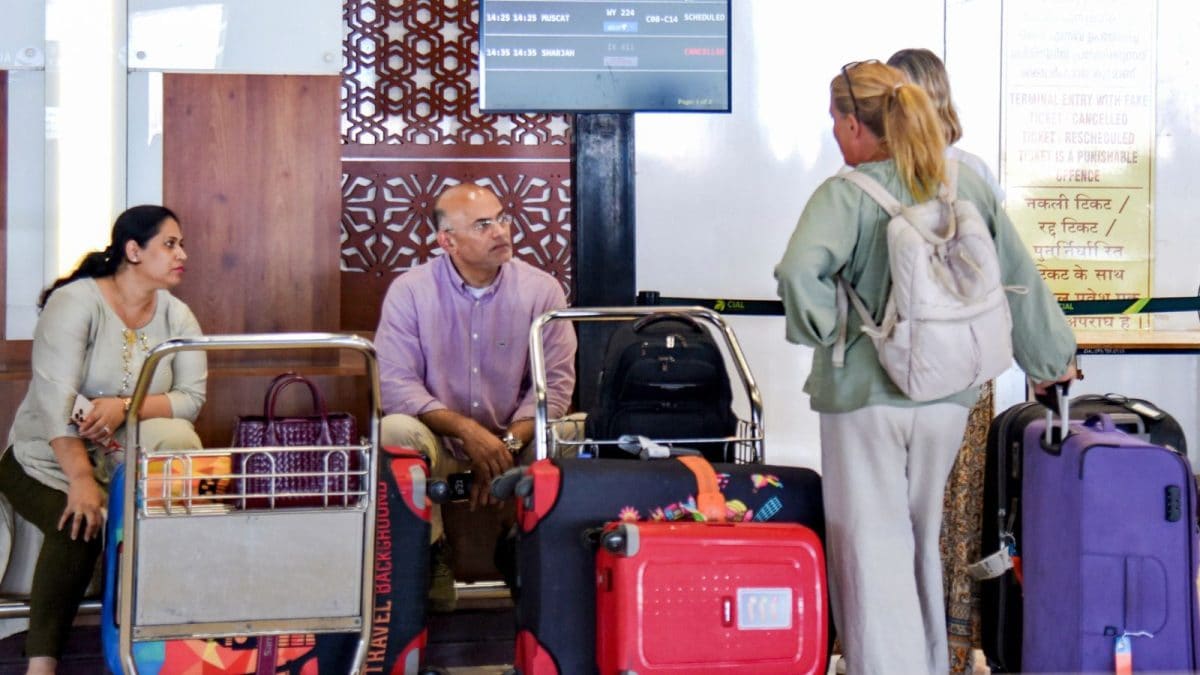
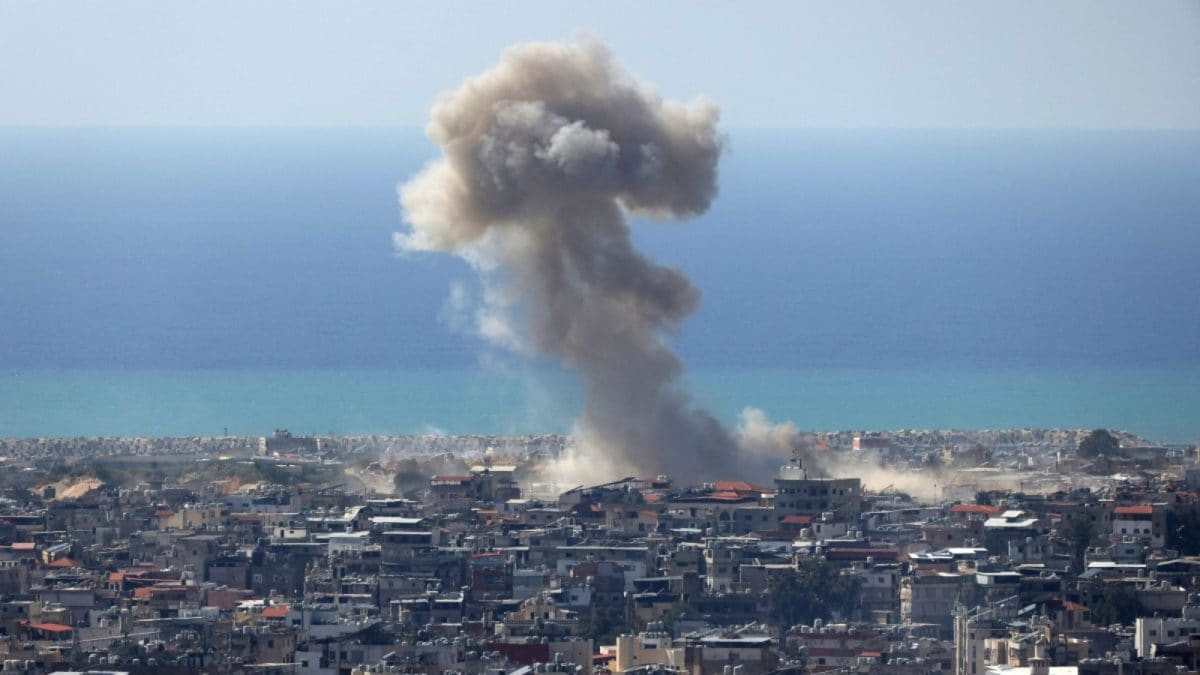
Since the escalation of hostilities between US and Iran, air passengers have been forced to operate under a "new normal" defined by uncertainty, extended flight times and steep price hikes. The US‑Iran war compelled hundreds of thousands of passengers to navigate closed airspaces, grounded hubs and hastily re‑routed itineraries.
US‑Iran war: What were the operational changes for flights?
- Major airspace over the Middle East was closed or heavily restricted.
- Shortages of jet fuel in the Gulf caused prices to double, leading to some flight cuts.
- Long‑haul carriers made technical stops in cities such as Rome or Vienna to manage longer, diverted flight paths.
How US‑Iran war changed travel
Accepting Drastic Rerouting: Passengers now routinely expect flights between Europe, Asia, and North America to take three to five hours longer as airlines avoid the narrow passage over the Caucasus Mountains or fly thousands of miles south around the US‑Iran war zone.
Managing Frequent Technical Stops: On ultra‑long‑haul routes, such as India to the U.S. East Coast, travellers must now account for unplanned technical stops in cities like Rome or Vienna because aircraft cannot carry enough fuel for the extended southern flight paths.
Shifting to Stable Global Hubs: To avoid the volatility of Middle Eastern transit points like Dubai or Doha, travelers are increasingly booking connections through alternative hubs such as Singapore, Bangkok, Hong Kong, or Tokyo.
Navigating Immediate Evacuations: In regions near the US‑Iran war, travellers have adapted to terse emergency protocols. For instance, some passengers have had to evacuate planes mid‑boarding, leaving all luggage behind and following strict orders not to use cameras or phones.
Utilising Regional Alternatives: For travel between the US and India, passengers are opting for routes via Europe (using carriers like Lufthansa) or the Pacific (via Singapore Airlines) to bypass the Middle East entirely.
US‑Iran war: What was the economic and logistical impact on fliers?
The US‑Iran war has introduced significant financial and operational hurdles for fliers, according to reports:
- Absorbing High Fares: Travellers are facing airfare increases of 15 % to 35 % on key international routes due to doubled jet fuel prices and increased operational costs.
- Increased Ancillary Fees: Major U.S. carriers like Delta Airlines have raised fees for checked bags by $10–$50 to offset rising fuel expenses.
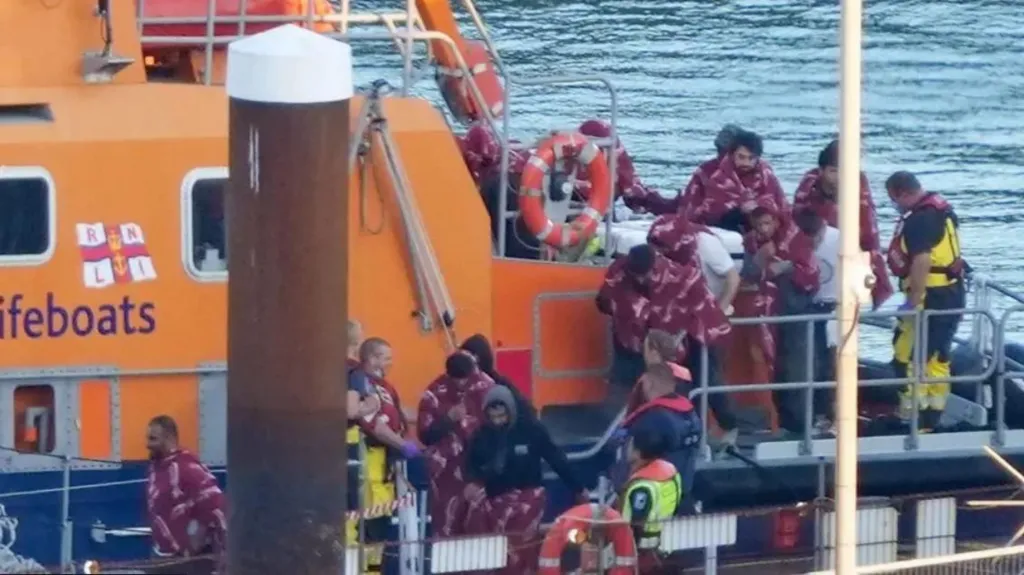
- Widespread Cancellations: Over 30,000 flights have been cancelled globally since the US‑Iran war began, leaving travelers stranded in remote locations such as the Maldives or Australia for several days.
- New Digital Alerts: Passengers now rely on real‑time “all‑clear” messages on cabin screens or personal devices to know when it is safe to proceed during active alerts.
- Managing Anxiety: Many are continuing with travel plans despite the risks, taking measures to manage anxiety during flights in volatile airspace.
KEY FAQs
How did fliers change routes during the war?
Airlines avoided Iran and nearby airspace, taking longer paths through safer regions.
How did airlines manage longer flights?
Airlines carried extra fuel, added stopovers, and used backup routes to stay safe.
What other changes did fliers make?
Airlines cancelled risky flights and followed strict safety rules to avoid conflict zones.
With agency inputs