Iran Threatens Direct Air Strike on Tel Aviv Over Continued Fire in Southern Lebanon
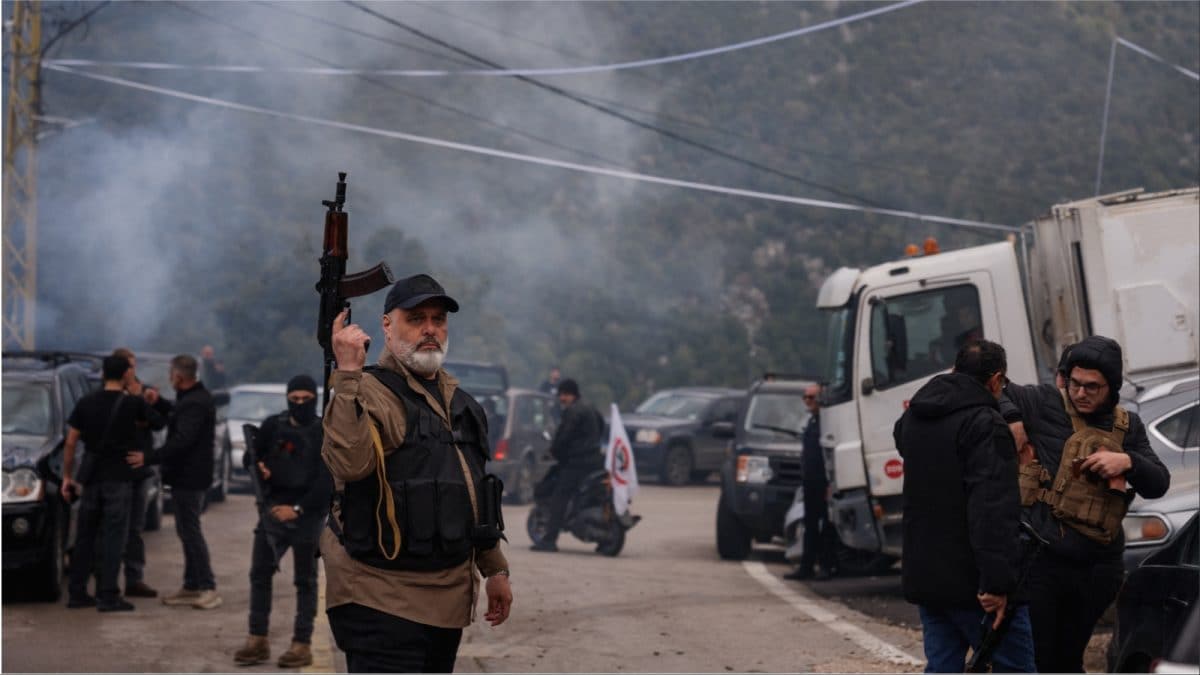
Iran warns Tel Aviv could become a target if fire from southern Lebanon does not cease, while debate continues over Lebanon's status in the newly announced US‑Iran ceasefire.
The National Security Council of Iran has delivered an explicit warning that Tel Aviv could be struck by air and missile units should the exchange of fire in southern Lebanon continue unchecked. This declaration arrives amid a swirl of contradictory statements regarding whether Lebanon falls under the umbrella of the recently proclaimed US‑Iran ceasefire.
According to multiple media outlets, the National Security Council of Iran quoted a senior official as saying, “Within a few hours, if the firing does not stop in southern Lebanon, the air and missile unit will bomb Tel Aviv.” The statement underscores a heightened willingness by Iran to act directly against Israeli urban centers if proxy engagements along the Lebanese frontier are not restrained.
Background on the US‑Iran Ceasefire Initiative
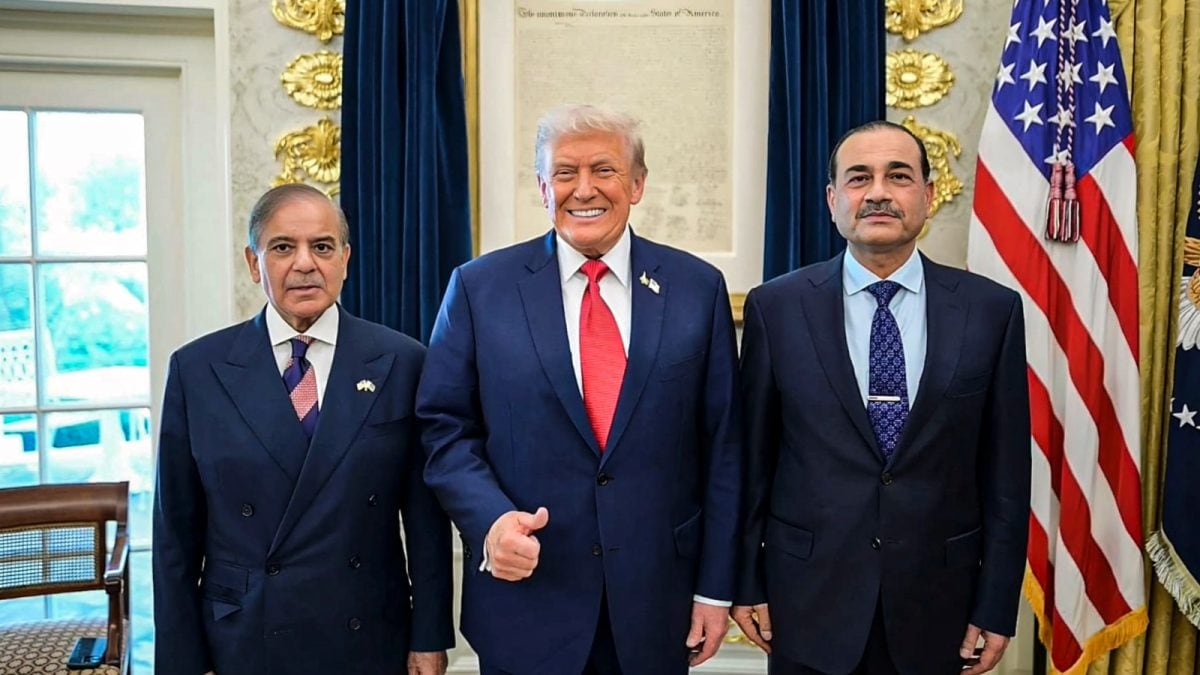
The United States and Iran announced a diplomatic framework aimed at de‑escalating regional hostilities. The wording of the aGreement has left analysts divided on whether the ceasefire applies solely to direct confrontations between the United States and Iran or whether it also extends to conflicts involving their respective allies and proxies. Iran interprets the language as encompassing all hostilities in the region, while Israel maintains that the aGreement does not bind its operations against Iranian‑backed forces in Lebanon.
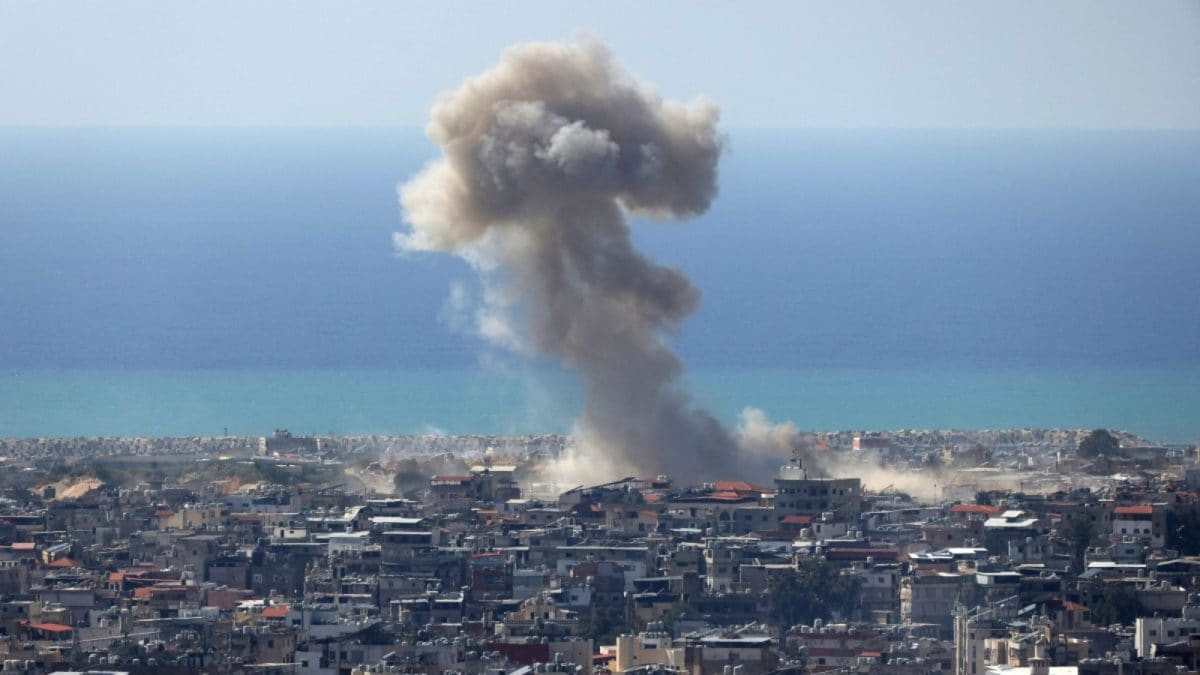
Israel, for its part, has emphasized that the security of its northern border remains paramount, especially as Hezbollah, a Lebanese militia receiving extensive support from Iran, intensifies rocket and artillery fire from positions in southern Lebanon. The intensity of those exchanges has risen in recent weeks, prompting both sides to exchange accusations of escalation.
Hezbollah’s Role in Southern Lebanon
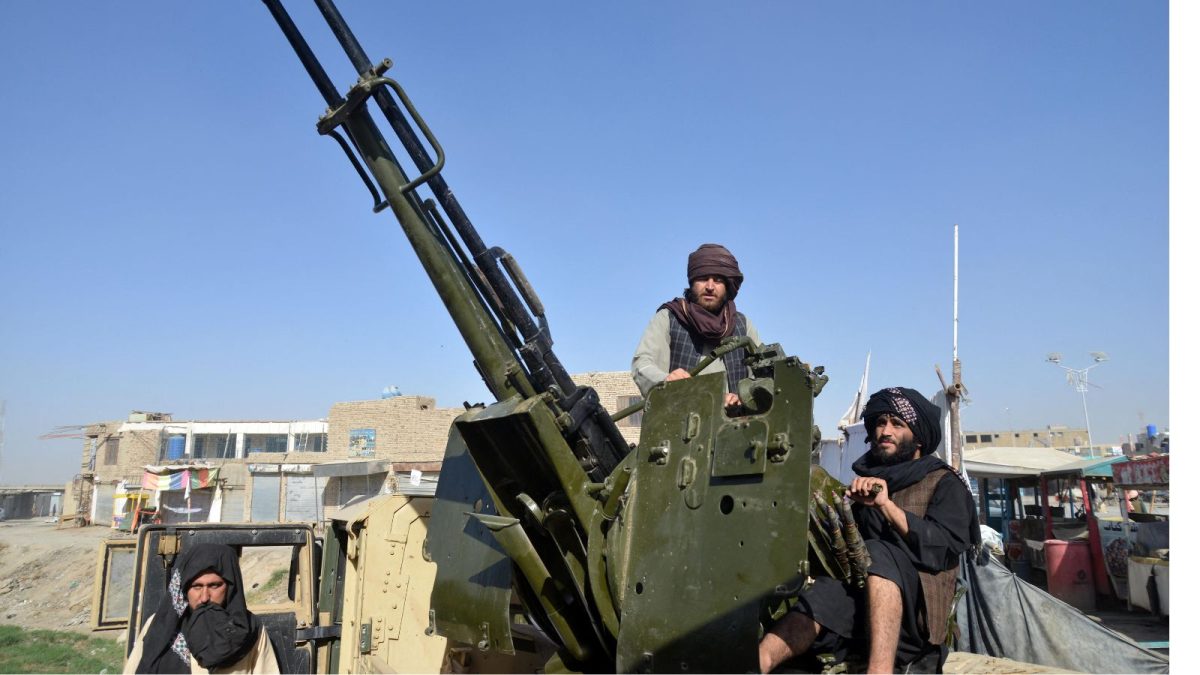
Hezbollah remains a central actor in the volatile border region. The organization, which characterizes itself as a resistance movement, has regularly launched rockets and mortars toward Israeli civilian areas. Iran’s backing of Hezbollah includes the provision of advanced weaponry, training, and financial resources. The deepening partnership between Iran and Hezbollah means that any threat issued by the National Security Council of Iran carries an implicit expectation that Hezbollah will coordinate its actions with Iranian strategic objectives.
Recent combat reports detail a surge in rocket launches from southern Lebanon toward Israeli settlements. Observers note that the frequency and range of those rockets suggest a logistical upgrade, likely facilitated by Iranian support channels. The National Security Council of Iran has framed the ongoing exchange as a test of resolve for both Israel and the United States.
Diplomatic Reactions and Regional Implications
Pakistan, a close ally of Iran, publicly stated that the ceasefire arrangement does not cover military actions in Lebanon. Pakistan’s foreign ministry spokesperson affirmed that any offensive measures taken by Hezbollah in southern Lebanon would be considered separate from the bilateral ceasefire. Israel, on the other hand, has underscored that its right to self‑defence extends to any cross‑border aggression, irrespective of external diplomatic accords.
Regional observers caution that a direct Iranian strike on Tel Aviv would mark a significant escalation, potentially triggering a broader confrontation involving multiple state and non‑state actors. The National Security Council of Iran’s warning is thus viewed by many analysts as a strategic lever intended to pressure Israel into curbing its northern operations.
In addition to the immediate threat to Tel Aviv, the warning reverberates across neighboring countries. Lebanon’s political leadership has faced intense domestic pressure to restrain Hezbollah while simultaneously navigating the expectations of Iranian patrons. The Lebanese government, although not directly mentioned in the warning, finds itself at the nexus of a diplomatic tug‑of‑war between Tehran’s demands and Washington’s efforts to maintain stability.
Potential Scenarios If the Warning Materializes
Should the National Security Council of Iran decide to act on its stated intent, the most plausible scenario would involve a coordinated missile launch aimed at strategic targets within Tel Aviv. Such an operation would likely be executed by Iran’s air and missile units, employing precision‑guided munitions capable of penetrating urban defenses. The immediate humanitarian impact would be substantial, given Tel Aviv’s dense population and economic significance.
In response, Israel would almost certainly mobilize its air defence network, including the Iron Dome, Arrow, and Patriot systems. Israel’s military doctrine also anticipates a retaliatory strike against Iranian installations, either within Iranian territory or against Hezbollah positions in southern Lebanon. The escalation could rapidly expand to include cyber‑operations, naval engagements in the eastern Mediterranean, and heightened diplomatic posturing at the United Nations.
From a broader strategic perspective, an Iranian strike on Tel Aviv would complicate the United States’ diplomatic calculus. The United States would be compelled to decide whether to enforce the ceasefire terms as originally negotiated or to intervene militarily to protect its ally. The decision would hinge on the interpretation of the ceasefire language, the perceived threat to regional stability, and domestic political considerations.
Historical Context of Iran‑Israel Confrontations
Iran and Israel have a long‑standing adversarial relationship that dates back to the 1979 Iranian Revolution. Since that time, Tehran has consistently pursued a policy of opposition to the Israeli state, framing its rhetoric in religious and geopolitical terms. Over the decades, Iran has supplied weapons to proxy groups such as Hezbollah and Hamas, enabling them to challenge Israeli security directly.
Notable incidents include alleged missile attacks launched from Iranian territory toward Israeli bases, cyber‑attacks attributed to Iranian‑linked hackers, and covert sabotage operations. While most of these actions have remained clandestine, the pattern demonstrates Tehran’s willingness to employ a range of asymmetric tactics against Israel.
The current warning from the National Security Council of Iran can be seen as a continuation of that strategic posture, now articulated in a more overt manner. By publicly stating an intention to bomb Tel Aviv, Iran is shifting from covert support of proxies to an explicit threat of direct action.
International Community’s Viewpoint
European capitals have issued statements urging restraint from all parties, emphasizing that any escalation could destabilize the fragile equilibrium in the Middle East. The United Nations has called for immediate de‑escalation, although the Security Council remains divided on how to enforce compliance.
Humanitarian organizations warn that any strike on Tel Aviv would cause civilian casualties, displacements, and a humanitarian crisis extending beyond the immediate blast zone. They stress the necessity of protecting non‑combatants and maintaining access to medical and emergency services.
In addition, several non‑aligned nations have expressed concern that a new front in the conflict could draw in outside powers, potentially transforming a regional dispute into a broader proxy war involving major global actors.
What Remains Unclear
The central ambiguity lies in the precise scope of the US‑Iran ceasefire. While Iran asserts that the ceasefire covers all acts of aggression, Israel maintains that any hostile activity launched from Lebanese territory remains outside the aGreement’s jurisdiction. The lack of a clear, mutually accepted definition contributes to the tension surrounding the National Security Council of Iran’s warning.
Equally uncertain is the timeline within which the threatened missile strike could be executed. The warning mentioned “a few hours,” but without a definitive deadline, it is difficult for diplomatic actors to gauge the immediacy of the threat.
Finally, the internal dynamics of Lebanon add another layer of complexity. The Lebanese government’s ability to command Hezbollah or to enforce a halt to fire is limited, as Hezbollah operates with a deGree of autonomy and receives direct backing from Iran. Consequently, any attempt by the National Security Council of Iran to pressure Israel through a missile threat may also be aimed at signaling to Hezbollah that further escalation will trigger direct Iranian involvement.
Conclusion
The National Security Council of Iran’s stark warning that Tel Aviv could be bombed if hostilities in southern Lebanon do not stop has intensified an already volatile situation. The declaration underscores the fragile nature of the US‑Iran ceasefire and highlights the divergent interpretations held by Iran, Israel, and other regional stakeholders. As the international community watches closely, the next hours will likely determine whether diplomatic channels can defuse the threat or whether the region will witness a new escalation that could reshape the strategic landscape of the Middle East.