How I Got Hooked on the Vance‑Iran Talks
Honestly, I was just scrolling through my phone on a lazy Sunday morning, trying to catch up on the latest news India keeps serving up, when a headline popped up that read “US Vice President JD Vance says progress in Iran talks”. It felt like one of those breaking news moments that suddenly pulls you into a whole new conversation. You know how sometimes you hear a phrase on the street, and by the time you finish your chai, you’re already Googling every detail? That’s exactly what happened. I clicked, and the interview with Fox News started streaming, and I could feel the tension in my veins – the kind you get when you hear something that could change the geopolitics of the whole region.
What JD Vance Actually Said
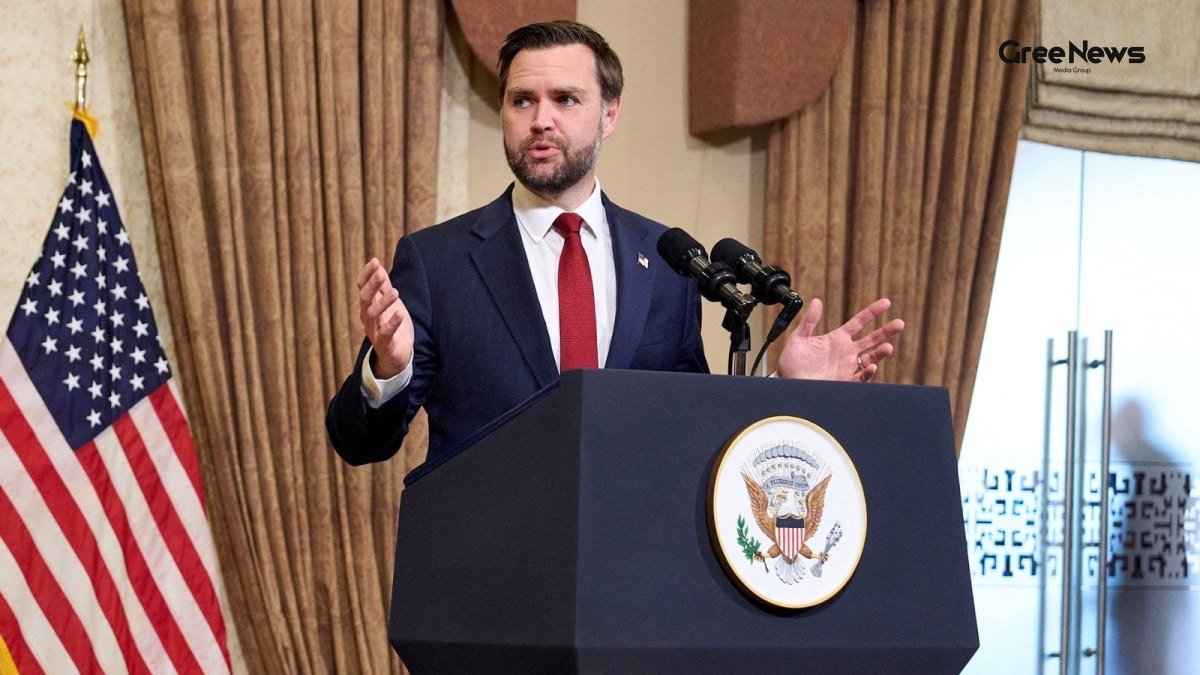
So, what did the Vice President actually say? In the interview, Vance was quite straightforward – almost as if he were talking to a neighbour over the fence. He told the reporters that Washington had laid out its expectations very clearly and was now waiting for Iran to respond. He said, “We made very clear, look, these are the things that we’re willing to give, but these are the things that we must have.” The demands? The US wants Iran to hand over all its enriched uranium stockpiles and give a conclusive promise not to develop a nuclear weapon. He also stressed that the US expects Iran to reopen the Strait of Hormuz, a vital waterway that has been snarled up because of the conflict. It felt like listening to a friend who’s trying to get a stubborn neighbour to finally clean up the mess they made.
The Setting: Islamabad, Not Tehran
Now, here’s a little detail that gave me a bit of pause. The talks weren’t actually held in Tehran – they took place in Islamabad, Pakistan. Vance led a delegation that met Iranian officials in Pakistan over the weekend. It was a classic case of the "third‑party venue" strategy that diplomats love to use when things get a bit heated. In most cases, holding talks on neutral ground can help both sides feel a bit safer to speak openly. But despite the calm of the surroundings, the talks ended without any concrete deal to halt the ongoing US‑Israel‑Iran war that has already stretched over five weeks. The atmosphere was almost like waiting for the rain after a long dry spell – hopeful, but uncertain.
Why the US Is Insisting on Enriched Uranium
If you ask any Indian friend who follows the news, they’ll tell you that nuclear weapons are a massive red line for the West. Vance made it clear that the US sees Iran’s stockpile of enriched uranium as a non‑negotiable threat. He said the United States has two key demands – first, Iran must give up its uranium stockpiles, and second, it must aGree to strict verification measures to ensure it never goes down that nuclear path again. Think of it like a parent asking a teenager to hand over their phone because they’re scared they’ll use it at the wrong time. The verification part is essentially an international watchdog – like the IAEA – keeping an eye on everything. The US is basically saying, "We’re ready to talk, but only if you give us those guarantees."
The Strait of Hormuz – Why It Matters to Everyone
Another thing that Vance hammered home was the importance of the Strait of Hormuz. If you don’t know, the Strait is one of the world’s busiest oil transit points. Imagine a highway where most of the country’s food trucks pass through; if that highway gets blocked, everything gets delayed and prices go up. The US is pushing Iran to let ships move freely again, warning that if Tehran keeps the waterway shut, the whole direction of the negotiations could change. It’s a classic case of "you bring us oil, we bring you peace" – but with the twist that both sides are also trying to win face. The energy price hikes we’ve been seeing in Indian markets are, in part, a ripple effect of this very blockade.
Impact on Energy Prices Back Home
Speaking of energy, Vance didn’t beat around the bush when he talked about the impact on ordinary people. He admitted that the crisis has sent energy prices soaring, hurting consumers. "We know the American people are hurting… we’re negotiating aggressively to bring energy prices down," he said, calling Iran’s actions "economic terrorism". It reminded me of those days when we stand in line at the petrol pump, watching the numbers climb and feeling that sting in the wallet. While the US tries to alleviate the pressure for its own citizens, the ripple effect is felt by Indian households too – because oil prices affect everything from diesel for trucks to gasoline for two‑wheelers. That connection between a diplomatic talk in Islamabad and the fuel price on an Indian street is what makes this story such trending news India.
What About the Pope’s Criticism?
Now here’s a curveball that caught many people’s attention. In the same interview, Vance responded to criticism from Pope Leo XIV, who had apparently commented on the US policy towards Iran. Vance brushed it off, saying the Vatican should focus on moral guidance, while US policy decisions remain with American leadership. It felt a bit like a family argument where one member tries to intervene in a squabble they’re not part of. The Vice President went, "I certainly think that in some cases, it would be best for the Vatican to stick to matters of morality… and let the President United States stick to dictating American public policy." This line added a splash of diplomatic spice to an already heated conversation.
What’s Next? The Ball Is In Tehran’s Court
So, where does this leave us? According to Vance, the United States has already made its offer crystal clear – it’s now up to Iran to accept or reject. He said a deal could be beneficial for both sides if Tehran aGrees to the conditions laid out by Washington. The decision, he stressed, ultimately rests with Tehran. It’s like waiting for your friend to reply to a WhatsApp message after you’ve laid out exactly what you need. And let’s be honest, the waiting part can be the most nerve‑wracking. Many experts say we might still see more rounds of talks under the current cease‑fire, but the pressure is definitely on Iran to move.
Why This Matters to You, Dear Reader
You might wonder why a story about US‑Iran talks feels so relevant to us here in India. Apart from the obvious effect on oil prices, the entire saga has become one of the biggest pieces of viral news across social media platforms. People are sharing memes, writing blogs, and debating endlessly on whether the US should bend or hold firm. The fact that this is also trending news India as part of the larger narrative of West Asian geopolitics means it influences everything from stock market moods to the everyday conversation at tea stalls. If the talks finally lead to a stable aGreement, it could bring a sigh of relief for millions of Indians who have been watching the conflict’s fallout on the news channels every day.
Personal Takeaway – A Lesson In Patience
Looking back, I realised that this whole episode taught me a lot about how international diplomacy works – it’s neither instant nor guaranteed. It’s a lot like waiting for the perfect mango season; you know it’s coming, you just have to be patient and hope the conditions turn right. The US has laid its cards on the table, but Tehran’s response will decide whether we see a breakthrough or another round of stalemate. In most cases, the world doesn’t change overnight, but each small step adds up. So, as an everyday reader, my advice is to stay informed, keep an eye on the latest news India, and maybe, just maybe, we’ll see a positive turn that eases our own economic worries.