Why the US Navy decided to lock the Strait of Hormuz
Honestly, I was scrolling through the latest news India on my mobile while having a cup of chai when I saw the headline about the US Navy setting up a naval blockade. It felt like something straight out of a thriller, but the US Navy was actually doing it – targeting ships that run to or from Iranian ports. The whole idea is to squeeze Iran’s oil exports, because, as most analysts say, oil is the lifeline of Iran’s wartime economy.
Strait of Hormuz – the most sensitive waterway on the planet
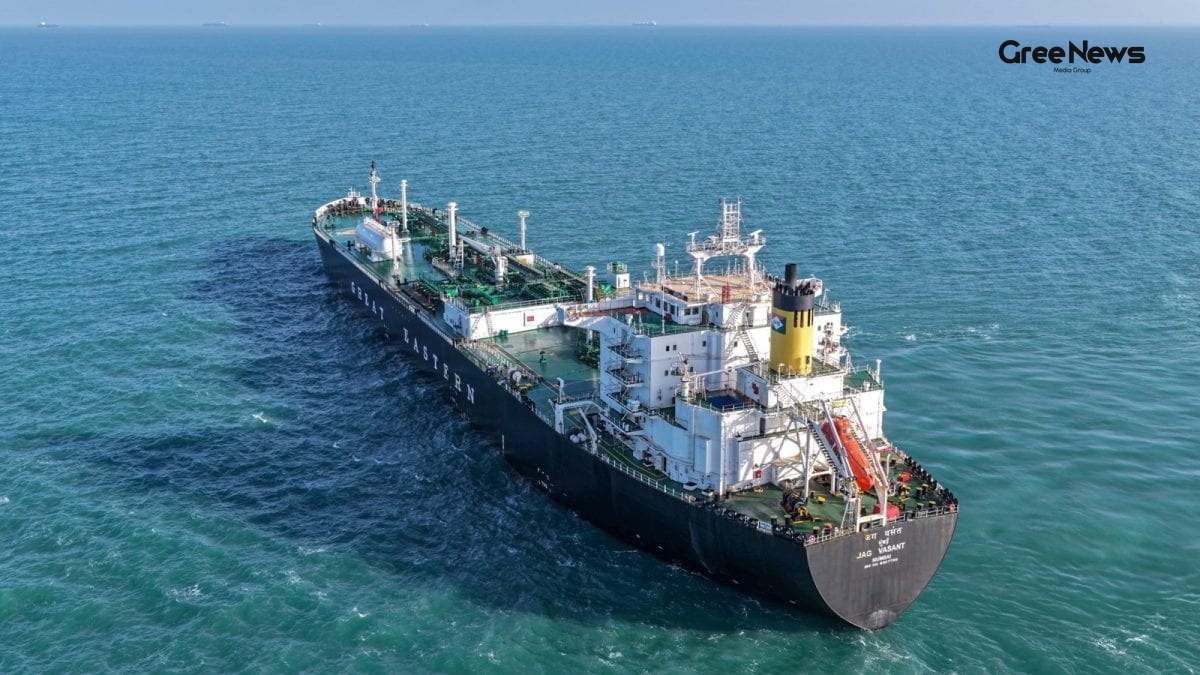
If you ever watched a documentary about oil, you’d know the Strait of Hormuz is a crucial chokepoint. A huge chunk of the world’s crude – roughly a fifth – passes through this narrow corridor every day. It’s not just oil; aluminium, fertiliser, even helium cross these waters. So when the US Navy announced the blockade, the market’s reaction was immediate.
Oil prices shot up to over $100 a barrel – a level we haven’t seen in a long time. As someone who follows trending news India, you can imagine the chatter on social media. People were asking why the prices were spiking, and the answer was simple: the Strait of Hormuz blockage was creating a supply crunch.
According to reports, about seven million barrels of crude and four million barrels of refined products are already stuck inside the Gulf. This stock‑piling adds another layer of anxiety for traders, because any further delay could push prices even higher, affecting everything from petrol at the pump to the cost of cooking gas in Indian households.
What the blockade means for everyday Indians
Let me give you a picture: I was on a video call with a friend from Delhi, and we were talking about how the rise in crude prices could hit the price of a litre of petrol. He mentioned that the last time oil hit $100, he had to spend an extra ₹10 per litre. That’s the sort of direct impact we’re talking about.
When the US President announced a sweeping embargo on any ship entering or leaving the Strait of Hormuz, the intent was clear – cut off Iran’s revenue. But the side‑effect is that the world, including India, faces higher import bills. Indian refiners will have to source crude from other, possibly more expensive, routes. That cost gets passed on to consumers in the form of higher fuel, diesel, and even electricity prices.
Many people were surprised by this ripple effect because the focus usually stays on the middle‑east politics, not on how it hits the common man’s wallet here in India. Yet the blockade is a classic case of economic warfare where the pressure on one country ends up spilling over to global markets.
Military risks – a narrow corridor with big dangers
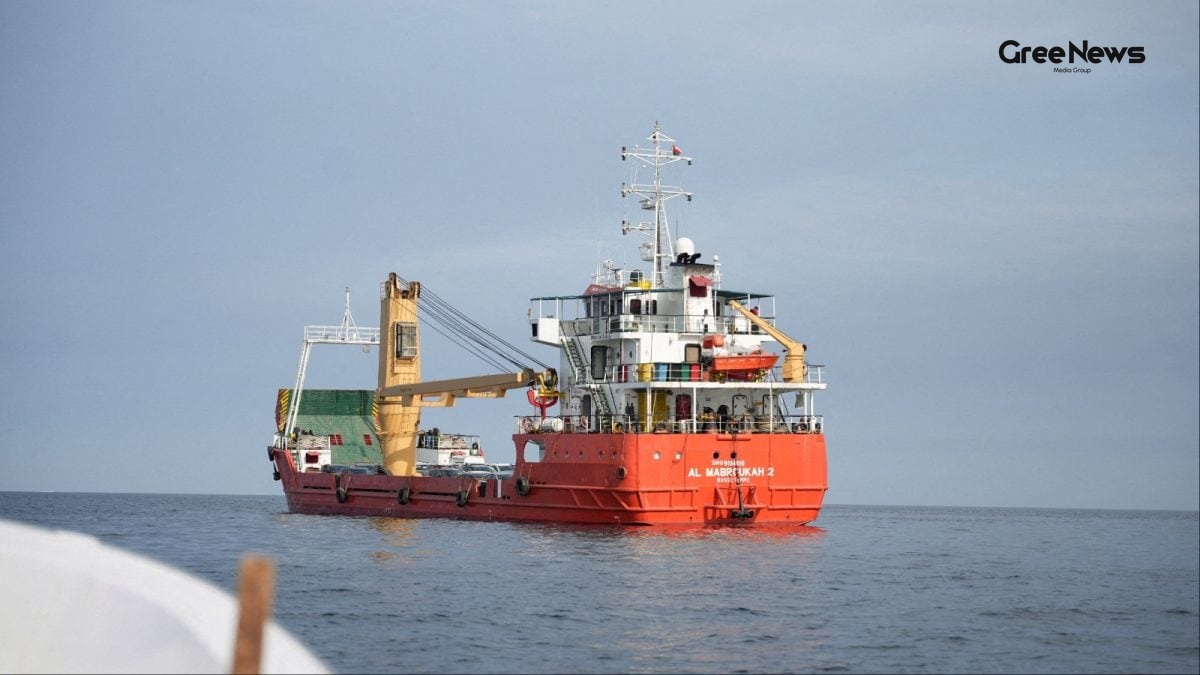
While the strategic logic sounds straightforward, the reality for the US Navy is far from simple. The Strait of Hormuz is a tight waterway, giving Iran the chance to lay sea mines, set up coastal missile batteries and even launch drone attacks. Analysts say that the narrowness of the channel limits manoeuvrability, raising the chance of accidental clashes.
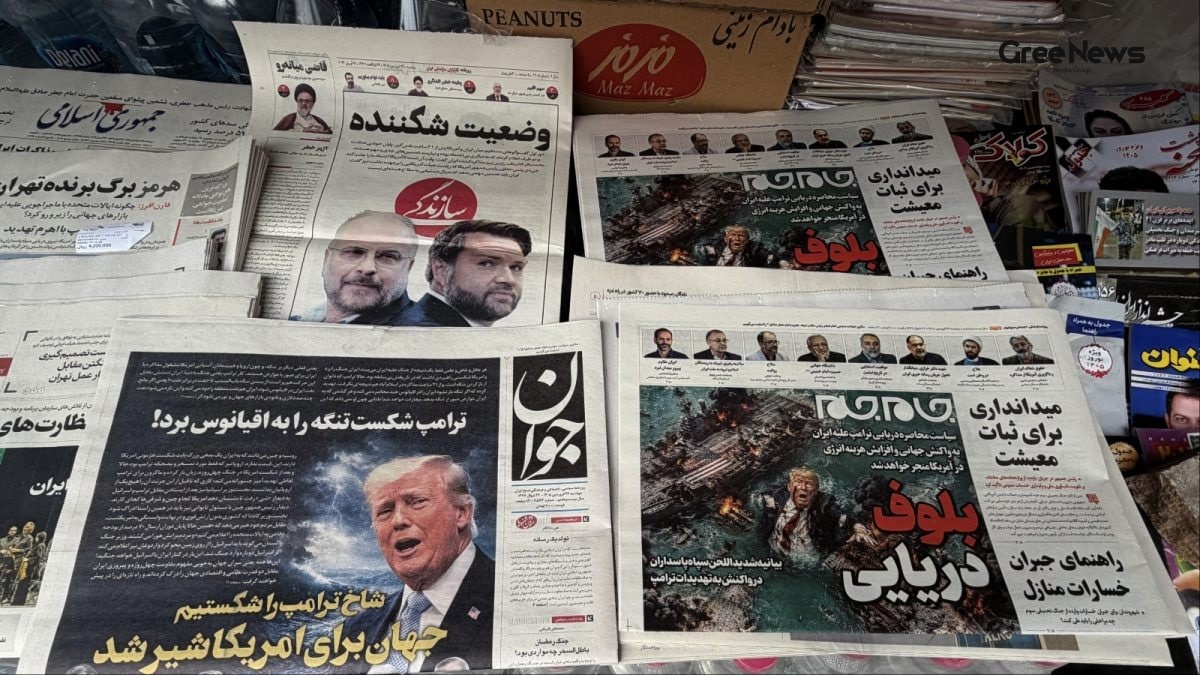
Iran has warned that “if Iranian ports are threatened, no port in the region will be safe.” That’s a direct threat not just to the US Navy but also to commercial vessels that ply these waters daily. Shipping companies, many based in Indian ports, are now reviewing their routes, which could lead to longer transit times and higher freight costs.
From a personal perspective, I recall a conversation with my brother, who works in a logistics firm in Mumbai. He told me that his team is now considering alternative routes around the Cape of Good Hope for certain cargoes, just to avoid the risk. That adds weeks to delivery times and raises the cost of imported goods, from electronics to raw material for Indian factories.
How the blockade aims to cut Iran’s oil revenues
The core idea behind the US Navy blockade is simple: stop Iran from earning hard currency through oil sales. That money funds Tehran’s military activities and, indirectly, its nuclear programme. Former US diplomat Dennis Ross even suggested that a maritime pressure tactic could be more effective than a direct assault on oil infrastructure like Kharg Island.
Ross’s comment, which I saw in a breaking news update, highlighted that “the blockade always made more sense than seizing Kharg Island.” By restricting exports, the US Navy hopes to deprive Iran of the cash it needs to keep the war machine running.
But there’s a flip side. Cutting Iran’s oil from the market tightens global supply, which pushes prices up – a consequence that hurts every oil‑importing nation. For India, that means higher inflation, tighter margins for transport operators, and a possible slowdown in sectors that depend heavily on fuel, like agriculture and construction.
Diplomacy still alive, but the nuclear question looms
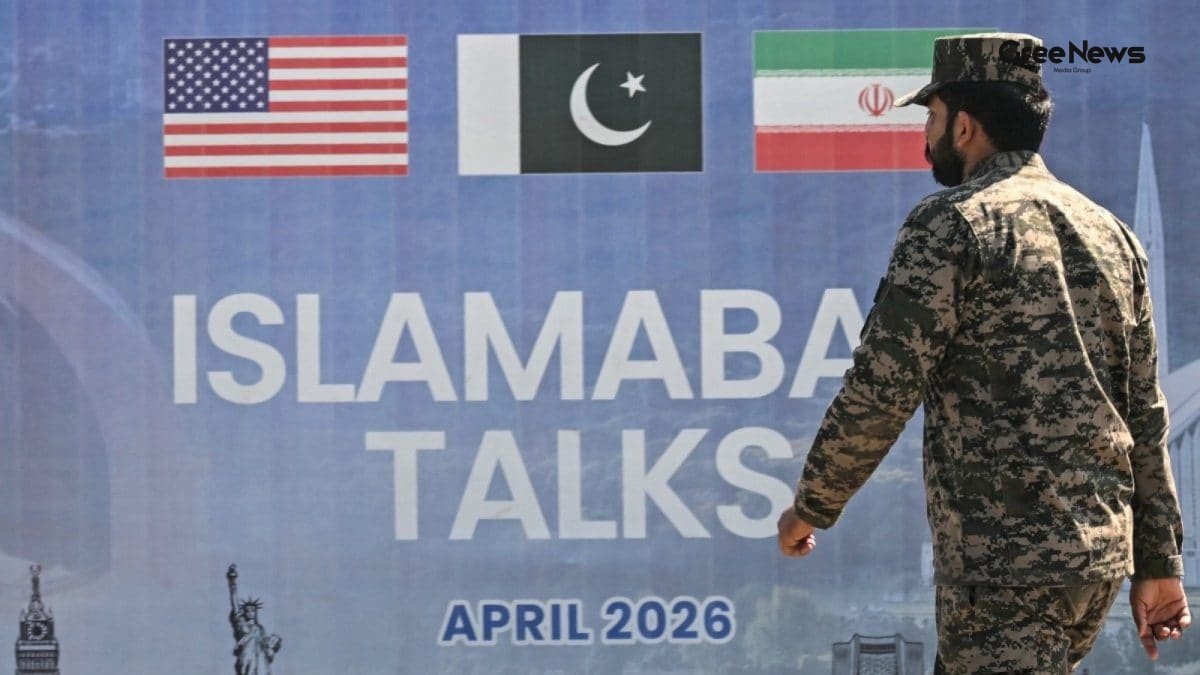
Even as the US Navy ramps up pressure, diplomatic channels haven’t been completely shut. International Crisis Group’s Ali Vaez mentioned that the situation might evolve into a long‑term strategic signalling rather than an outright war. Yet the real stumbling block remains Iran’s nuclear programme.
Iran keeps saying its nuclear activities are for civilian purposes, while the US and Israel argue they could be a cover for weapons development. The last meeting between the US President and Iranian officials reportedly ended with aGreement on many points, except the nuclear issue – the only point that “really mattered,” as the US President put it.
This deadlock means that even if the blockade pressures Iran economically, the core political dispute won’t disappear until there’s a clear aGreement on the nuclear front. That’s why many experts think the blockade is a way to force Tehran’s hand without committing to a full‑scale invasion.
Global stakes – why the world is watching
What started as a regional move by the US Navy has turned into a story that’s everywhere on the internet – from viral news videos to detailed analyses on financial news channels. Scholars argue that the Strait of Hormuz blockade is a textbook example of economic warfare in the 21st century.
For Asia, the implications are huge. Countries that rely on Gulf oil, like India, Japan, and South Korea, see their import bills swell. The higher price of crude also affects the cost of petrochemicals, which feed into a host of Indian industries – from plastics to fertilizers.
On the flip side, some oil‑producing nations might see a short‑term windfall as they fill the gap left by Iranian supplies. Yet the overall uncertainty can destabilise markets, leading to volatile currency movements and shaky investor confidence.
When I asked a friend who works in a financial firm in Bangalore about the impact on the stock market, he said that the oil sector stocks are already seeing a surge, while companies heavily dependent on imported fuel are under pressure. He added that the market is basically trying to price in the risk of a prolonged blockade.
What could happen next? The possible scenarios
There are a few paths the situation could take. First, the blockade could force Iran to the negotiating table, leading to a deal that might include limits on its nuclear programme in exchange for lifting the maritime pressure.
Second, Iran could retaliate by targeting shipping lanes, not just in the Strait of Hormuz but also other Gulf routes. That would raise insurance premiums for vessels, making freight even more expensive for Indian exporters and importers.
Third, the global community could step in with a diplomatic push, possibly mediated by the United Nations or a coalition of countries, to de‑escalate the situation. However, given the current geopolitical climate, such a move would require significant concessions from both the United States and Iran.
From a personal angle, I keep checking the latest news India every few minutes, because each update feels like a piece of a larger puzzle. The question that keeps popping up in my mind is: will the economic pressure be enough to change Iran’s stance, or will it simply raise the cost of living for ordinary people across the world, including us in India?
Bottom line – why you should care
At the end of the day, the US Navy blockade of the Strait of Hormuz is more than a military maneuver; it’s a ripple that reaches our petrol pumps, our grocery aisles, and even the price of a bus ticket in Delhi. It shows how interconnected our world is, and why staying updated with breaking news, trending news India, and viral news is not just about being in the know – it’s about understanding how global events shape our daily lives.
If you’re curious about the next move, keep an eye on diplomatic talks, watch the oil price charts, and maybe have an extra cup of chai ready while the story unfolds. You never know – what happens next could be interesting, and it will definitely affect the next time you fill up your vehicle’s tank.