What sparked my curiosity about judge recusal?
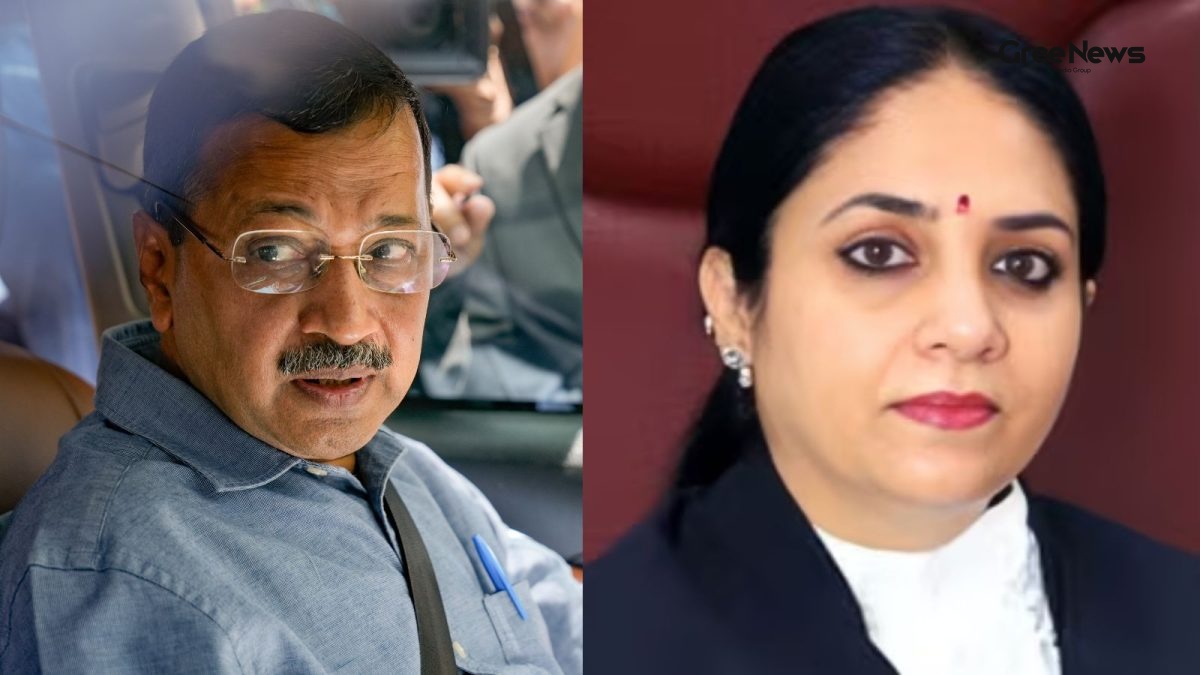
Honestly, I was scrolling through my phone when the latest news India about the Delhi HC case popped up. It felt like breaking news that many of us in the city were talking about over chai. Kejriwal walked into the courtroom, and the whole atmosphere changed. I could sense a mix of tension and the feeling that something important was about to unfold the kind of story that quickly becomes trending news India.
What caught people's attention was Kejriwal’s claim that he might not get a fair hearing. He said he had a “reasonable apprehension” of bias. That phrase, though legal‑sounding, made me wonder: what exactly does it mean when a judge steps aside? And why would a political leader be so keen on it? So, I decided to dig deeper and share what I learned think of it as a friend explaining a complex matter over a cup of filter coffee.
Recusal the plain‑English version
Recusal is simply the process where a judge withdraws from hearing a case because there’s a potential conflict of interest or perceived bias. The core idea is that justice should not only be done but also be seen to be done. In most cases, this is guided by judicial ethics rather than a strict statute there isn’t a specific law spelling out exactly when a judge must step down.
In my experience, you see similar things in everyday life imagine a teacher grading a paper of a student who is also their neighbour. Even if the teacher is perfectly impartial, the perception of bias can still raise eyebrows. The same logic applies to our courts. The public’s confidence hinges on the belief that judges are truly impartial.
There are a few common grounds for recusal:
- Personal relationships with any of the parties involved.
- Prior involvement in the matter, like having given a public opinion on the issue.
- Financial interests that could be affected by the outcome.
- Any previous statements that might suggest a pre‑formed view.
Recusal can be voluntary a judge decides on their own or it can be requested by one of the parties through a formal plea. In the current scenario, Kejriwal filed a formal request, making it a classic example of a “requested” recusal.
Why Kejriwal felt the need to ask for recusal
From what I gathered, Kejriwal listed several reasons that, in his view, created a reasonable apprehension of bias. Let me walk you through them, point by point.
- Perceived pattern favouring investigative agencies: Kejriwal argued that the court had repeatedly endorsed arguments put forward by the Enforcement Directorate (ED) and the Central Bureau of Investigation (CBI). He said it felt like “every single argument of the ED and CBI is endorsed by the court”. This pattern, he claimed, gave the impression that the bench was leaning towards the agencies rather than staying neutral.
- Speed of proceedings: Kejriwal highlighted that his case was being heard at an unusually fast pace compared to other political cases. He felt that the rapid progression could be a subtle way of pressuring him, especially since other high‑profile opposition leaders seemed to face slower timelines.
- Previous judicial observations: He pointed to earlier judgments that touched on issues like approver statements and alleged corruption. Kejriwal feared that these prior findings might colour the judge’s mind going forward.
- Relief beyond what was formally sought: The former CM noted that in a previous order, the court granted relief that went beyond the CBI’s petition, based on an oral request. He felt this over‑reach was another sign of bias.
- Ideological proximity of the judge: Perhaps the most dramatic claim was that the judge had attended an Adhivakta Parishad event linked to the BJP and RSS. Kejriwal argued that such attendance created a “reasonable bias” because the judge’s presence at a gathering of a particular ideology could influence his perception.
When the court asked if Kejriwal was directly accusing the judge of personal bias, Kejriwal clarified that he was merely pointing out the impression these circumstances created. He wasn’t making a direct claim of prejudice, but he wanted the court to acknowledge the potential for perceived bias.
This part of the story definitely became viral news on social media, with many people sharing snippets of the courtroom drama and debating whether the judge’s attendance at a political event truly mattered.
How the CBI and Solicitor General Tushar Mehta responded
The CBI, represented by Solicitor General Tushar Mehta, defended the judge’s participation in the bar association event. Their argument was that even sitting Supreme Court and High Court judges regularly attend events organised by legal bodies, and such attendance does not necessarily indicate bias. In plain terms, they said, “Just because a judge goes to a lawyer’s gathering doesn’t mean the judge is taking sides.”
Solicitor General Tushar Mehta also pointed out that there is no codified law mandating recusal; it’s more about ethics and perception. He suggested that the judge’s conduct was within normal professional boundaries, and that the appeal for recusal was more about politics than genuine conflict.
From my perspective, it reminded me of a situation where a friend told me about a referee in a cricket match who used to play for one of the teams. The referee wasn’t necessarily biased, but the players felt uneasy. That’s essentially the same vibe here it’s about perception, not just the actual facts.
Impact of a recusal on the case timeline
One practical aspect that often gets overlooked is how recusal can affect the progress of a case. If the judge steps aside, the matter has to be reassigned to another bench, which can cause delays. In a high‑profile case like this, even a few weeks can translate into massive political and media churn. The public might start questioning why justice is taking longer, sometimes feeding more rumours and speculation something that could quickly become trending news India.
During the hearing, the court seemed aware that any decision could set a precedent for future political cases. The delicate balance between ensuring impartiality and keeping the judicial process efficient is a tightrope walk.
Why this matters for ordinary citizens
At first glance, a courtroom tussle about a judge’s attendance at a political event might appear distant from day‑to‑day life. But think about it this way: if the judiciary appears biased, people start losing trust in the system that resolves disputes be it property issues, consumer grievances, or even family matters.
In my neighbourhood, we often discuss news over tea. When a story becomes breaking news and spreads across WhatsApp groups, it shapes how we view the entire legal framework. If citizens believe that judges can be swayed by political affiliations, they might hesitate to approach courts for redress, opting instead for informal settlements that could be unfair.
So, the recusal debate isn’t just about one political leader; it’s a litmus test for the broader health of India’s democratic institutions. It’s also a reminder that the judiciary, like any other institution, must constantly guard its image of neutrality.
Personal take‑away and what could happen next
Having followed this case closely, I think the most interesting part is how the court will balance the legal principles with the political undercurrents. If the judge decides to step aside, it could set a precedent for future political figures to request recusal more aggressively, potentially slowing down the judicial process.
On the other hand, if the court rejects the recusal request, it might reinforce the idea that judges can attend neutral professional events without compromising their impartiality. Either outcome will fuel more discussions across social media, likely turning this into viral news that will be referenced in future debates on judicial ethics.
In many ways, this situation mirrors everyday life in India: we constantly juggle between personal beliefs and professional duties, and the line can sometimes blur. The judiciary’s handling of this line will be a key indicator for the rest of us, and I’ll definitely be keeping an eye on how it unfolds.