Why I started paying attention to a single tanker in the middle of a geopolitical storm
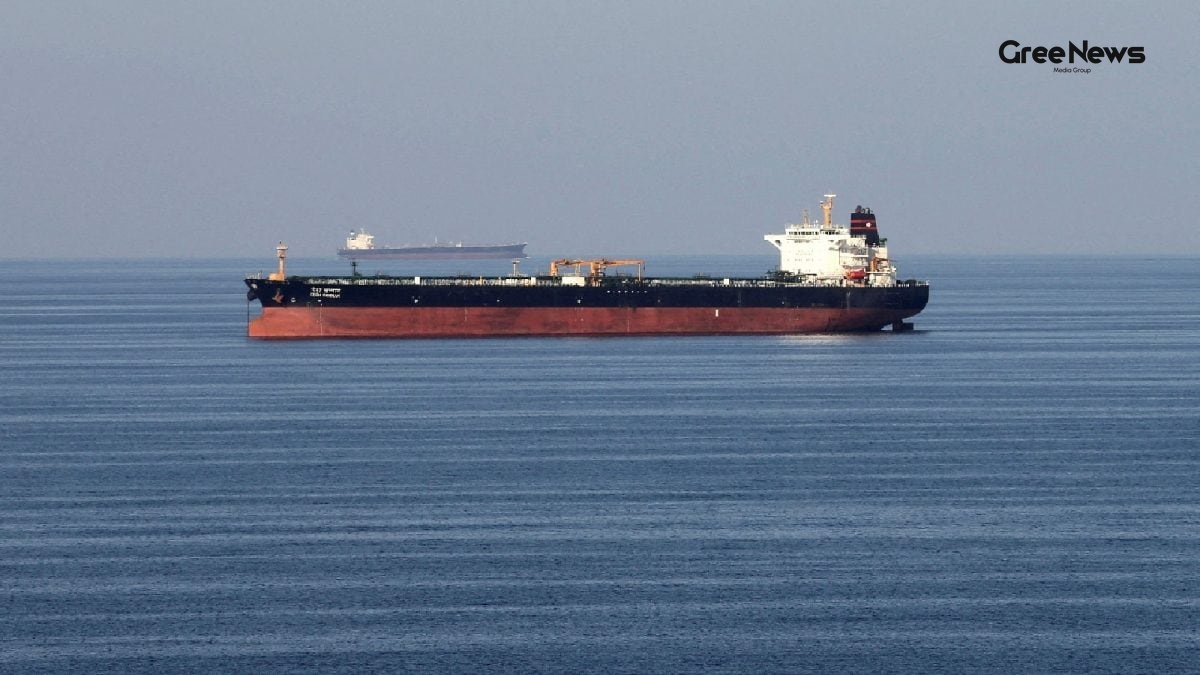
Honestly, I was just scrolling through my phone, catching up on the latest news India feeds, when I saw a headline about a US‑sanctioned ship trying to slip through the Strait of Hormuz. It felt like something straight out of a spy thriller, and I thought, "What on earth is happening?" So I dived deeper and discovered that the tanker, called Rich Starry, had become the very first test of President Donald Trump's brand‑new naval blockade against Iran’s oil exports.
If you’re into breaking news, you probably heard that the blockade went live just a few hours before the tanker made its move. The whole episode turned into a live drama for anyone tracking the trending news India scene especially those of us who keep an eye on how global events ripple into our daily lives, from fuel prices at the petrol pump to the cost of a cup of chai.
What happened next is interesting: Rich Starry, which was previously known as Full Star, attempted to pass the narrow waterway not once but twice in less than twenty‑four hours. The first try saw the vessel pulling up near Qeshm Island, only to turn back almost immediately. After a short pause, it tried again, this time broadcasting a message that it had a Chinese owner and crew.
Now, you might wonder why a ship would bother announcing its nationality. In most cases, such disclosures are a routine safety measure for other vessels in the area. But given the timing right after the blockade became effective many analysts thought it could be a signal, a way of saying "we’re still here, and we’re not scared." That little detail caught the attention of shipping companies, policy wonks, and, of course, the regular citizen who reads about oil prices surging on the evening news.
Who is Rich Starry and why is it on the radar?
Let me give you a quick background because the names can get confusing. Rich Starry was blacklisted by Washington in 2023. The United States accused it of helping Tehran dodge energy sanctions. Before the blacklist, the ship sailed under the simple name Full Star. The change to Rich Starry is just a re‑branding trick many owners use to stay under the radar.
The vessel is listed as sailing under the flag of Malawi. Here’s the kicker: Malawi is a land‑locked African country that doesn’t even have an official register for ocean‑going ships. So the flag it flies is more symbolic than functional, a common loophole used by ship owners to avoid tighter scrutiny.
According to the maritime database Equasis, the listed owner of Rich Starry is Full Star Shipping Ltd. The contact details match those of Shanghai Xuanrun Shipping Co. Ltd., a company that the US State Department has also sanctioned. When we tried to reach out for a comment, the Shanghai office didn’t respond which, honestly, isn’t a surprise given the heat they’re under.
All these layers make Rich Starry a perfect case study for anyone interested in the viral news cycle. From a fresh coat of paint on its name to a flag that doesn’t really exist, the whole saga reads like a textbook example of how sanction‑evading entities operate.
What about the other tanker Elpis?
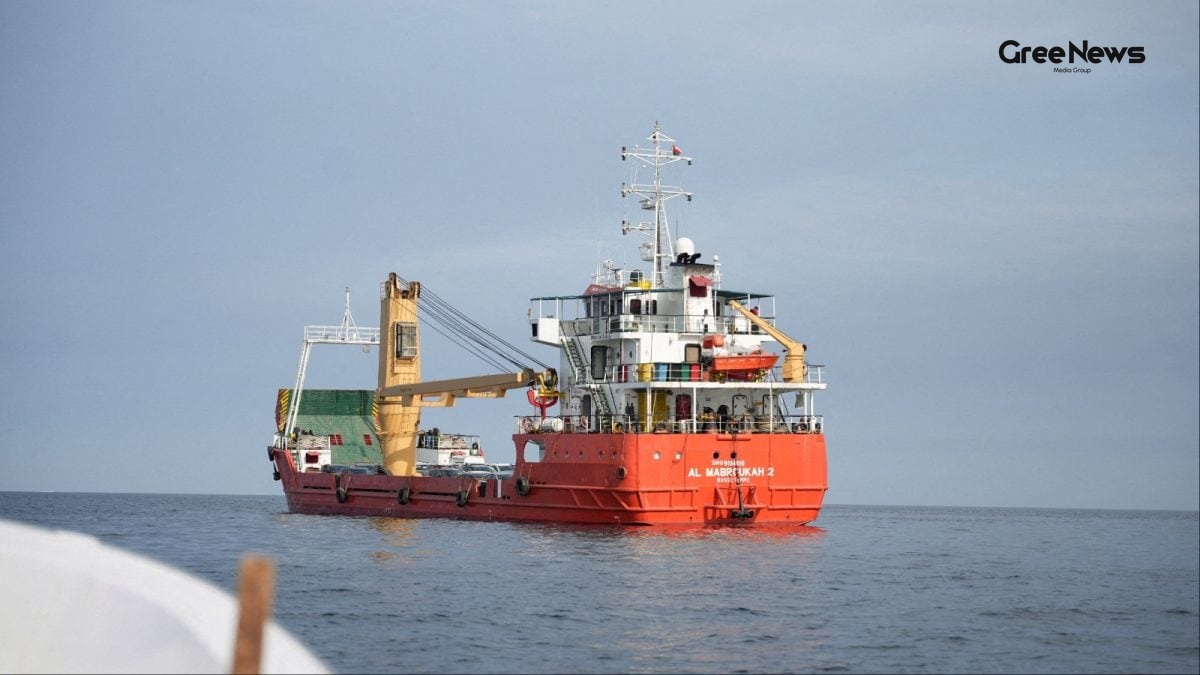
While Rich Starry was stealing the limelight, another vessel named Elpis also tried to make its way through the strait at the exact moment the blockade kicked in. Ship‑tracking platforms Kpler and Vortexa reported that Elpis had previously docked at an Iranian port in the Gulf before attempting the transit.
The ownership of Elpis is equally murky. It’s listed under Chart Chemical SA, with management handled by IMS Ltd., a firm based in Malaysia. As with Rich Starry, attempts to contact IMS Ltd. went unanswered.
Both tankers illustrate a broader pattern: many operators are holding back, keeping their transponders off, waiting for clearer guidance on how the United States will enforce the new rules. Since the blockade started, no ship with its AIS turned on has been seen officially entering the Persian Gulf, indicating a waiting game is in progress.
How this test could reshape shipping routes and fuel costs back home
From an Indian perspective, the whole episode isn’t just about geopolitics halfway across the world. A large chunk of our oil imports still travels through the Strait of Hormuz, even though we are increasingly diversifying our energy sources. Any hiccup in this corridor can cause a ripple effect that hits the price of petrol at the pump and the cost of diesel for trucks carrying goods across the subcontinent.
That’s why the news of Rich Starry’s attempts became a hot topic in the India updates feeds. Traders on Indian commodity exchanges were watching the story closely, trying to gauge whether the blockade would cause a sudden shortage or push up prices. In real‑time, you could hear market analysts on television saying, “If the US steps up enforcement, we could see a spike in crude prices, which eventually trickles down to every Indian household.”
Many Asian countries, not just India, expressed concern. China’s Foreign Minister Wang Yi, in a statement released on the same day, urged both Tehran and Washington to engage diplomatically. He highlighted that any escalation would hurt countries that depend heavily on Middle‑East energy a subtle nod to the fact that China, the world’s biggest crude importer, is also watching the drama unfold.
For us regular folks, it’s a reminder that a single ship’s decision to try and cross a narrow waterway can end up influencing the price of our daily commute, the cost of a hot plate of biryani, or even the fare of an auto‑rickshaw.
What does this mean for future enforcement?
Now, the big question on everyone’s mind especially those in the maritime industry is how fiercely Washington will clamp down on vessels like Rich Starry and Elpis. The fact that Rich Starry broadcast its Chinese ownership during the second attempt suggests that the ship’s operators know they are being watched. They might be testing the limits to see if a “soft” approach is possible.
In most cases, the US Navy has the authority to board, inspect, or even seize vessels that violate sanctions. But the real test will be whether they do it at a scale that deters other sanction‑evaders. If the US decides to let Rich Starry slip through with a warning, many other owners might feel emboldened to try the same trick.
Conversely, a stern action like boarding or imposing heavy fines could send a clear message that the blockade is not just a piece of paper. Shipping companies would then have to re‑route their tankers, possibly taking longer voyages around the Cape of Good Hope, which would increase shipping times and costs.
Such a shift would have an impact on global oil markets, again feeding back into the price we pay at Indian fuel stations. It’s a classic example of how a decision made half a world away can affect the everyday life of a person in Delhi, Mumbai, or Chennai.
Personal takeaways why I’m keeping an eye on this
Honestly, I never imagined I’d be that interested in a tanker’s flag or its AIS data. But after seeing how quickly the story turned into viral news and how many people started asking me about its impact on fuel prices, I realized there’s a lot more at stake than just a ship’s name.
For anyone who’s curious, I’d suggest setting up a simple ship‑tracker alert. It’s surprisingly easy a few clicks and you’ll get notified whenever a vessel like Rich Starry moves near strategic chokepoints. It makes you feel a bit like a detective, piecing together a puzzle that has real‑world consequences.
And if you’re watching the latest news India feed, keep an eye on pieces that talk about sanctions, maritime routes, or energy security. They often connect the dots between a Gulf waterway and the price you see on your fuel receipt.
All in all, this whole saga is a reminder that global politics isn’t some distant drama it’s something that can show up on our doorstep, sometimes in the form of a sudden price hike or a new policy announcement.