Massive Drop in OPEC Oil Production – My Take on the Numbers
Honestly, when I first saw the OPEC bulletin this morning, my eyes widened a bit. The numbers were stark – overall production had plunged a whopping 27 percent in just one month, sliding from 28.7 million barrels per day down to 20.8 million barrels per day. As someone who follows the latest news India for my daily commute, I could feel the shock of those figures. It’s not just a dip; it’s a seismic shift that ripples through the whole oil market, and by extension, directly hits the fuel pumps in every Indian city.
What caught my attention next was the scale of the decline across individual Gulf states. I mean, we’re talking about a 61 percent fall for Iraq, a 53 percent cut for Kuwait, and even the United Arab Emirates saw its output shrink by 44 percent. Saudi Arabia, the biggest OPEC player, trimmed its production by 23 percent – from 10.1 million barrels per day to 7.8 million. These aren’t just numbers on a spreadsheet; they represent a real‑world shock that will affect everything from petro‑chemical prices to the cost of a simple bottle of cooking oil back home.
Why Iraq’s Output Fell So Hard – A Personal Observation
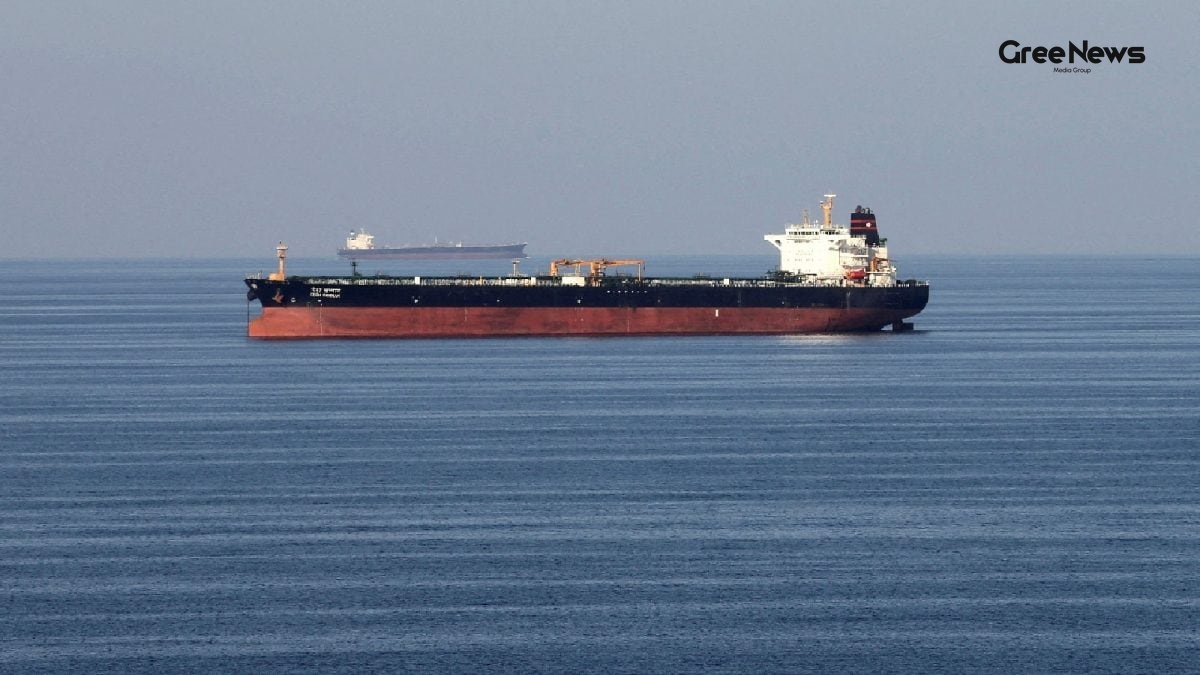
Now, let me walk you through why Iraq took the biggest hit. The data shows Iraq’s production dropped from 4.2 million barrels per day in February to just 1.6 million barrels per day in March – a 61 percent plunge. From what I gathered while scanning breaking news and talking to a friend who works in the oil sector, the main culprit is the blockage of the Strait of Hormuz. That narrow waterway is like the main artery for Gulf oil to reach the world, and Tehran’s recent moves have effectively choked it.
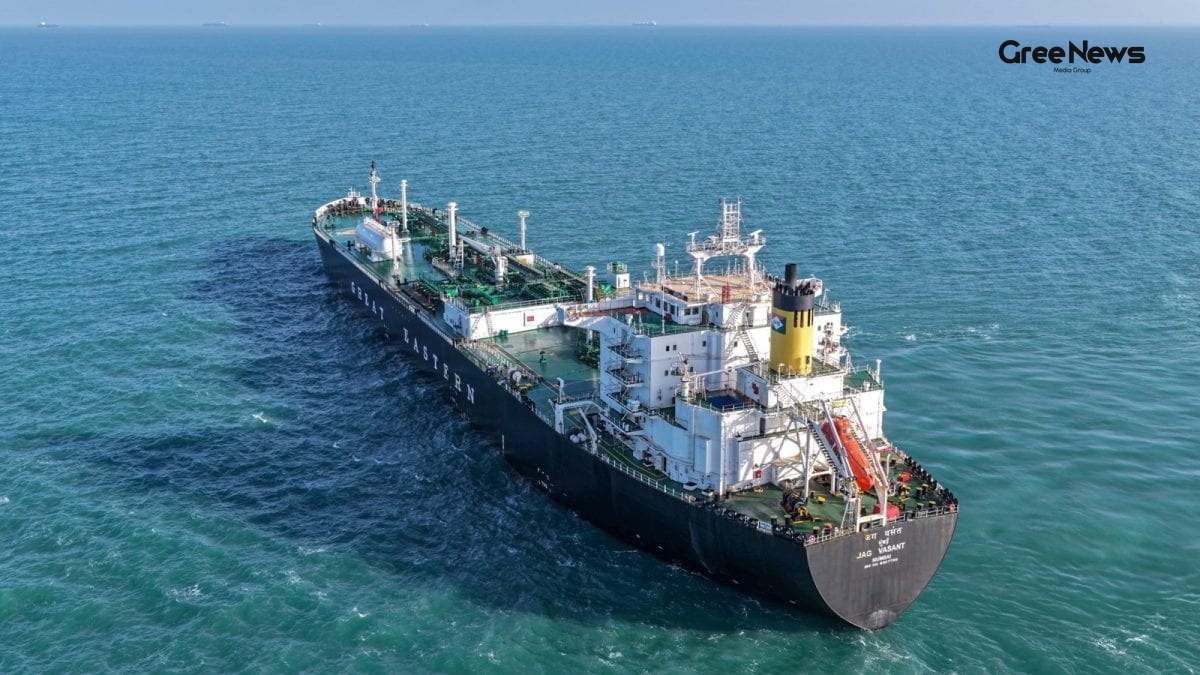
In most cases, when the strait is blocked, tankers have to take a longer, riskier route around the Cape of Good Hope. For Iraq, that means higher freight costs and longer delivery times, making it practically impossible to keep the same level of exports. I remembered a story my uncle once told me about a palm‑oil trader who had to reroute his cargo, and the extra cost ate up almost half his profit. That’s essentially what’s happening to Iraq now – the pipeline of revenue is being squeezed from both ends.
This situation also explains why the Gulf states are scrambling to find alternative routes, and why the whole scenario feels like something out of a thriller that suddenly became our breaking news.
The Pipeline Attack – How It Changed the Game
Let’s talk about the East‑West pipeline. It’s a massive piece of infrastructure that can move up to 7 million barrels per day from the Persian Gulf to the Red Sea, bypassing the dangerous strait. Just when the world thought it might be the safety valve, Iran launched an attack that knocked out about 700,000 barrels per day of capacity. The Saudi state media confirmed the damage, and I could feel the anxiety in the room as the news spread – not just in Saudi Arabia, but across every market that watches oil supply like a hawk.
What’s interesting, and a bit eerie, is that the pipeline’s loss translates directly to the 23 percent cut we saw from Saudi Arabia. Imagine you own a big water tank that you can fill from two taps – one safe, one risky. If the safe tap gets clogged, you’re forced to rely more on the risky one, which may trigger further complications. That’s essentially what Saudi Arabia faces now, and it also sends shivers down the spine of investors looking at trending news India about energy markets.
From a personal angle, I started to wonder how quickly the pipeline could be repaired. The reports say it might take weeks, but given the geopolitical tension, there’s no guarantee. That uncertainty is exactly what fuels the viral news stories buzzing on social media, where everyone is speculating about the next move.
Implications for Global Markets – And Why It Matters to India
If you’re wondering why all this matters to us Indians, the answer is simple: oil is the lifeblood of our economy. The price of diesel and petrol, the cost of transporting goods across the country, and even the price of a cup of chai in a roadside stall are all linked to the global oil market. When OPEC’s production takes such a nosedive, the immediate reaction in the commodities market is a sharp rise in crude prices.
In my experience, even a small hike in crude price reverberates through the entire supply chain. Soon after the OPEC data was released, the rupee showed signs of pressure, and fuel stations in Delhi and Mumbai reported higher queues. The trending news India feeds were flooded with posts about how the price hike could affect the upcoming festive season, when people travel across the country in massive numbers.
Moreover, the slowdown in Gulf oil shipments could push India to look for alternative suppliers, perhaps turning more to Russia or even Brazil. That shift may affect our import bills, foreign exchange reserves, and ultimately the “India updates” we get from the Ministry of Finance. All this makes the OPEC numbers more than just numbers – they become a story that hits every kitchen, every garage, and every small business owner.
What the Experts Said – Voices from CERAWeek
During the CERAWeek conference organized by S&P Global, I caught a snippet of an interview with Sheikh Nawaf al‑Sabah, the CEO of Kuwait Petroleum Corp. He sounded surprisingly optimistic, saying that Kuwait’s reservoirs are “resilient” and can bring back a good chunk of production within a few weeks. He added that full‑scale production could be back in three or four months.
Now, hearing that on a live stream felt like a ray of hope, especially when the earlier news had seemed overwhelmingly grim. In most cases, experts try to balance reality with optimism, and Sheikh Nawaf’s comments seemed grounded – the pipelines can be repaired, and the reservoirs can be tapped again. It reminded me of those moments when we hear a friend say, “Don’t worry, it’s just a rough patch,” and you actually start believing it.
Even the Saudi Arabian Oil Minister, in a brief statement, hinted at quick recovery plans. While the details are still under wraps, the overall vibe was that the Gulf nations are mobilising resources fast. This kind of insider perspective, often shared in breaking news columns, helps us gauge how quickly the global oil market might stabilise, and whether the price spikes we’re seeing will be temporary.
Iran’s Position – A Slight Decline but Continued Export
Interestingly, Iran’s own production only slipped by around 5 percent, from 3.24 million barrels per day to 3.06 million barrels per day. Despite the ongoing war‑like atmosphere, Iran has managed to keep its oil flowing through the Strait of Hormuz – at least for now. However, the latest reports say Tehran is facing a fresh blockade after peace talks with the US fell through.
From a layperson’s viewpoint, that means Iran is trying to juggle both offense and defence – keeping its economy afloat while also dealing with a tightening noose around its ports. The US Navy’s order to block all maritime traffic in and out of Iranian ports adds another layer of complexity. I remember reading a comment on a popular Indian forum where a user said, “If the US blocks Iranian ships, the oil shortage could get worse for us.” That kind of sentiment underscores how intertwined global politics and our daily lives truly are.
Even though Iran’s production numbers are modest compared to Saudi Arabia, any further disruption could intensify the supply crunch, pushing prices even higher. That is why the story continues to trend as viral news across social platforms, with many users sharing charts and predictions.
US Navy Orders – Adding Fuel to the Fire
Another piece of the puzzle is the United States’ decisive action. The US Navy has been instructed to block all maritime traffic in and out of Iran’s ports, effectively sealing off a major oil route. I read this in a breaking news alert early this morning, and the immediacy of the decision made me think of how quickly geopolitical moves can translate into market volatility.
This blockade could force oil carriers to take even longer detours, further inflating freight costs and delivery times. For Indian importers, that could mean higher freight charges for the crude they buy, which again circles back to higher petrol prices at the pump. It’s a chain reaction, and the Indian audience is keenly watching these developments as part of the “latest news India” feeds.
What’s more, the move adds an element of uncertainty that analysts love to talk about in market commentaries. The phrase “any day now” started popping up a lot on Twitter, reflecting public curiosity and a bit of nervous anticipation.
Looking Ahead – When Can Production Return to Normal?
So, when can we expect things to settle down? According to the experts quoted at CERAWeek, full production for the Gulf states could be restored within three to four months, assuming the pipeline is repaired and the Strait of Hormuz reopens for safe passage. That timeline feels optimistic, but given the resources these nations can mobilise, it might just happen.
In most cases, the oil market has a way of absorbing shocks over time, but the short‑term pain is real – especially for Indian families watching fuel prices climb. The good news is that once the Gulf production stabilises, we are likely to see a gradual easing of price pressures. Until then, it’s wise to keep an eye on the “trending news India” sections of your favourite portals, as they’ll keep updating on any new developments.
Meanwhile, I’m trying to stay calm, just like many of you probably are. I’ve started looking at alternative commuting options – car‑pooling, using the metro more often – a small step that might help offset the inevitable rise in fuel costs. It’s those everyday adjustments that remind us how global events, even those happening halfway across the world, can shape our daily routines.