So, I was sipping my morning chai and scrolling through the latest news India when I stumbled upon the new gold and silver rates. Honestly, I always keep an eye on these numbers because in most Indian households, the price of bullion can decide whether a wedding jewellery order goes ahead or gets delayed.
What caught my attention was that the numbers weren’t just hovering they were actually moving up quite a bit. If you’re wondering why, stick around because what happened next is interesting and it ties back to some big‑picture geopolitics that you might have seen on the TV or read in the viral news sections.
Current Gold Prices Across Major Cities
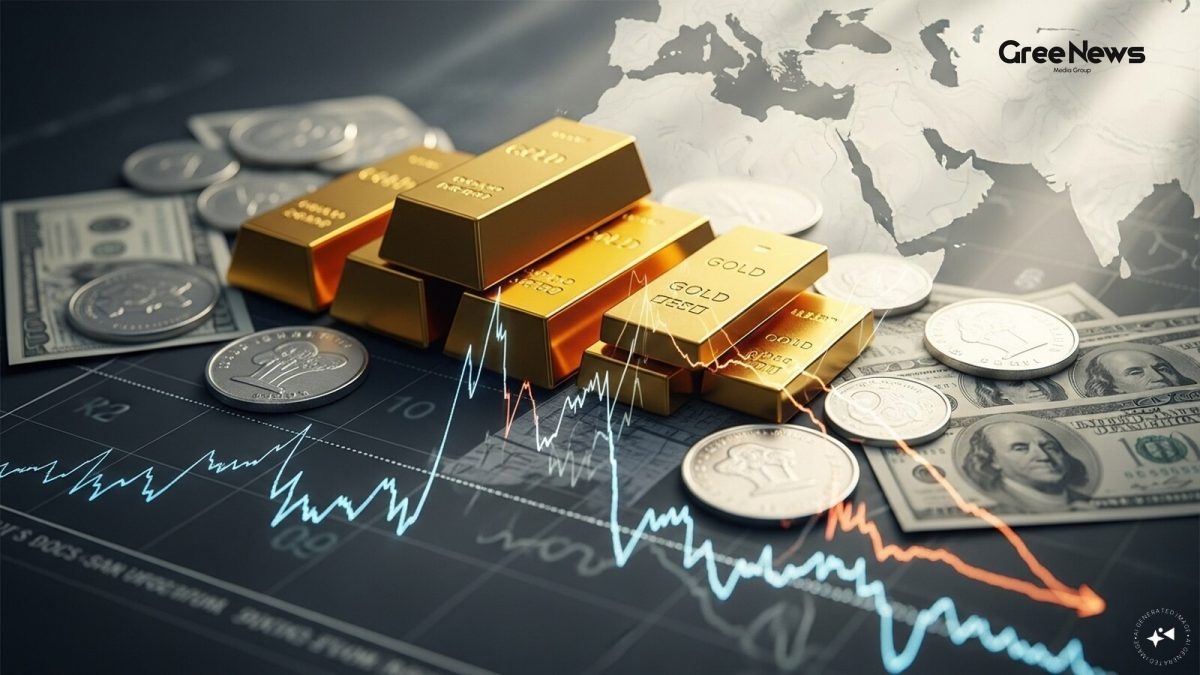
Let’s break down the actual numbers you’re likely to see when you walk into a jeweller’s shop today. On the Multi Commodity Exchange (MCX) the place where most traders get their benchmark gold slipped a little, down 0.6 per cent, and was trading at Rs 1,51,983 for 10 grams. That sounds a bit lower than what the headlines mentioned, but remember the MCX figure is a raw market rate without taxes.
In Mumbai, which usually reflects the retail price that ordinary consumers pay, 24‑carat gold was quoted at Rs 1,53,980 per 10 grams. If you look at 22‑carat gold the version most people actually buy for everyday wear the rate was Rs 1,41,100 per 10 grams. These prices do not include GST or the making charges that jewellers add on top.
Now, if you’re browsing on a news portal that lists “24k gold around Rs 1,54,000 per 10 grams”, that’s essentially a rounded figure based on the same Mumbai numbers. It’s a good reminder that the difference between Rs 1,53,980 and Rs 1,54,000 is just a rounding off, not a sudden market swing.
What’s noteworthy is the consistency across the board the rates in Delhi, Bengaluru, and Chennai are all moving within a narrow band of a few hundred rupees, which tells us the market sentiment is fairly uniform nationwide.
Silver Spot Prices A Quick Look
Silver hasn’t been left out of the rally. The MCX quoted silver at Rs 2,40,499 per kilogram, a dip of about 1.24 per cent compared to the previous session. However, the spot price that you’ll see quoted in local jewellery markets especially in Mumbai stood at roughly Rs 2,55,000 per kilogram.
Why the difference? The MCX price is a floating market rate, while the spot price in retail outlets often includes a small premium for purity testing and handling. In most cases, that premium can add anywhere between Rs 2,000 to Rs 5,000 per kilogram depending on the dealer.
For those who invest in silver bars or coins, the Rs 2,55,000 figure is the one you’ll compare against international benchmarks to see if it’s a good time to buy.
Why Did Prices Jump? The US‑Iran Ceasefire Talk
Here’s where the breaking news element folds into the numbers. Earlier this week, the United States and Iran were reported to be negotiating a renewed cease‑fire arrangement after a tense standoff that involved a threatened naval blockade around the Strait of Hormuz. You might have seen this under the viral news tag or read about it on the trending news India feeds.
The United States had earlier signalled a possible blockade after talks in Islamabad, Pakistan, fell apart over the nuclear issue. The mere possibility of a blockade sent shockwaves through commodity markets because the Strait of Hormuz is a major oil‑shipping lane. When oil prices wobble, gold and silver both seen as safe‑haven assets usually get a boost as investors shift money into precious metals.
In most cases, when the United States and Iran seem to be moving toward a long‑term cease‑fire, the fear factor recedes and the market starts pricing in optimism. That optimism translated into an immediate rise in bullion prices across Indian exchanges, a classic example of how geopolitics can drive India updates in the domestic market.
Historical Perspective How This Stack Up With Earlier Movements
If you’ve been tracking gold for a while, you’ll notice a pattern. Whenever there’s news of a potential resolution between the United States and Iran, gold tends to climb a bit. Back in 2022, a similar set of talks caused a 1.5 per cent bump in price, and we saw a comparable reaction this time.
But the story isn’t always linear. There have been moments when the market over‑reacted to rumours, only to correct itself later in the week. So, while the current rise is noticeable, it’s also prudent to keep an eye on the next set of data especially any fresh statements from the United States or Iran that might sway sentiment again.
For someone like me, who prefers to buy gold in small increments, this historical context helps decide whether to buy today or wait for a potential dip.
What This Means For Indian Consumers
Let’s bring it back home. In India, gold isn’t just an investment; it’s a cultural staple. Weddings, festivals like Diwali, and even festivals of regional significance drive demand. The current rate of Rs 1,41,100 for 22‑carat gold means that a 10‑gram wedding set would cost close to Rs 1.5 lakh, not counting GST or making charges.
Now, if you’ve been postponing a purchase because you were waiting for a price dip, you might want to think twice. The trend suggests that as long as the United States and Iran keep talking, the market could stay stable or even inch higher. Many people were surprised by this because they expected a sudden crash after the earlier threat of a blockade.
On the flip side, if you’re an investor looking at silver, the Rs 2,55,000 per kilogram price is still relatively attractive compared to the global silver price, especially if you consider the rupee’s current conversion rate.
All in all, whether you’re buying a gold chain for a wedding or adding a silver bar to your portfolio, the current numbers are something you can’t ignore.
Practical Tips Buy Now or Wait?
Here are a few quick pointers that I’ve found useful:
- Set a budget: Decide how much you’re comfortable spending before the next market move. This prevents impulse buying driven by hype.
- Watch the news: Keep an eye on any new statements from the United States or Iran. Even a small comment can swing the price by a few hundred rupees.
- Consider making charges: The quoted rates usually exclude GST (currently 3 %) and making charges (which can be 5‑10 % of the gold’s weight). Add these to your calculations.
- Buy in tranches: If you’re unsure, consider buying half today and the other half a week later. This strategy smoothens out short‑term volatility.
- Look for promotions: Many jewellers run festive offers that give you a bonus gram or reduce making charges during peak seasons.
In most cases, a little patience goes a long way. If the United States and Iran finally seal a long‑term cease‑fire, the market may stabilise, and you won’t feel the pressure of buying at an unexpected high.
FAQs Quick Answers
What’s the difference between 22‑carat and 24‑carat gold? 24‑carat gold is 99.9 % pure, while 22‑carat gold contains about 91.6 % gold with the rest made up of alloy metals that give it strength and colour.
Do these rates include GST? No, the numbers mentioned are pure metal rates. You’ll need to add GST and making charges on top.
Is silver a good hedge right now? With silver around Rs 2,55,000 per kilogram, it’s still cheaper than many western markets, making it an attractive option for a short‑term hedge.
Will the United States‑Iran talks affect prices again? Historically, yes. Any new development can cause a quick price swing, so staying updated with Indian news portals helps you act quickly.
Closing Thoughts
All said and done, the gold and silver market is doing what it usually does reacting to global vibes and local demand. The recent rise, tied to the United States and Iran cease‑fire negotiations, is a clear example of how geopolitics finds its way into our daily lives.
If you’re planning a big purchase, you now have a clearer picture of the numbers, the reasons behind them, and some practical steps to make a smart decision. Keep following the latest news India for any fresh updates, and you’ll be better equipped to ride the next wave whether it’s a bullish surge or a gentle correction.