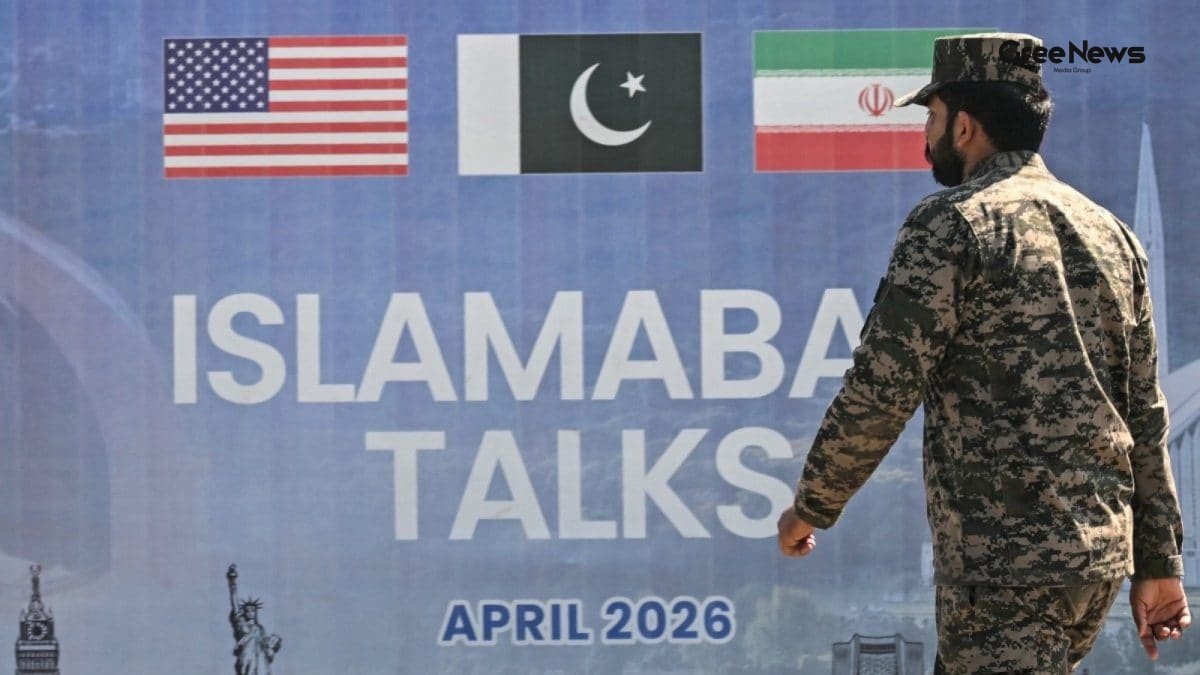
What went down in Islamabad?
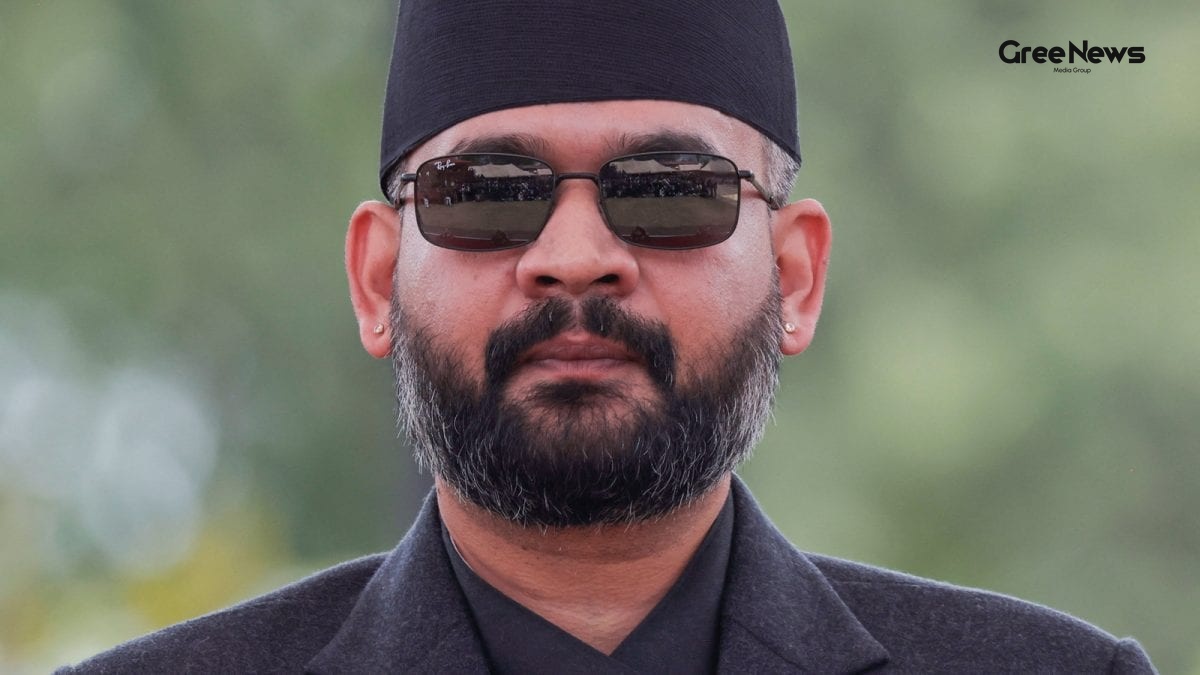
So, I was scrolling through my phone this morning, catching up on the latest news India, when a video popped up of an Iranian scholar speaking on Al Mayadeen. The guy’s name is Mohammad Marandi and, as it turns out, he was actually part of the Iranian technical team that was trying to sort out a diplomatic jam with the United States in Islamabad. You know, the whole back‑channel thing that’s been teased for months now. Marandi’s tone was pretty intense he said the talks were "very abruptly ended" by US Vice President JD Vance. That caught my eye because, honestly, no one expected the US side to pull the plug so suddenly.
When I first heard it, I thought, "Is this some sort of political drama?" But the more I listened, the more it seemed like a real‑life thriller. Marandi claimed that the situation turned tense in a way that even the seasoned diplomats in the room felt uneasy. He said the timing was "highly unusual" it was as if the conversation was cut right in the middle of a crucial point, just when both sides were supposedly trying to de‑escalate a rather frothy tension that has been simmering between Washington and Tehran for a while.
Why the sudden cut‑off? The Vance factor
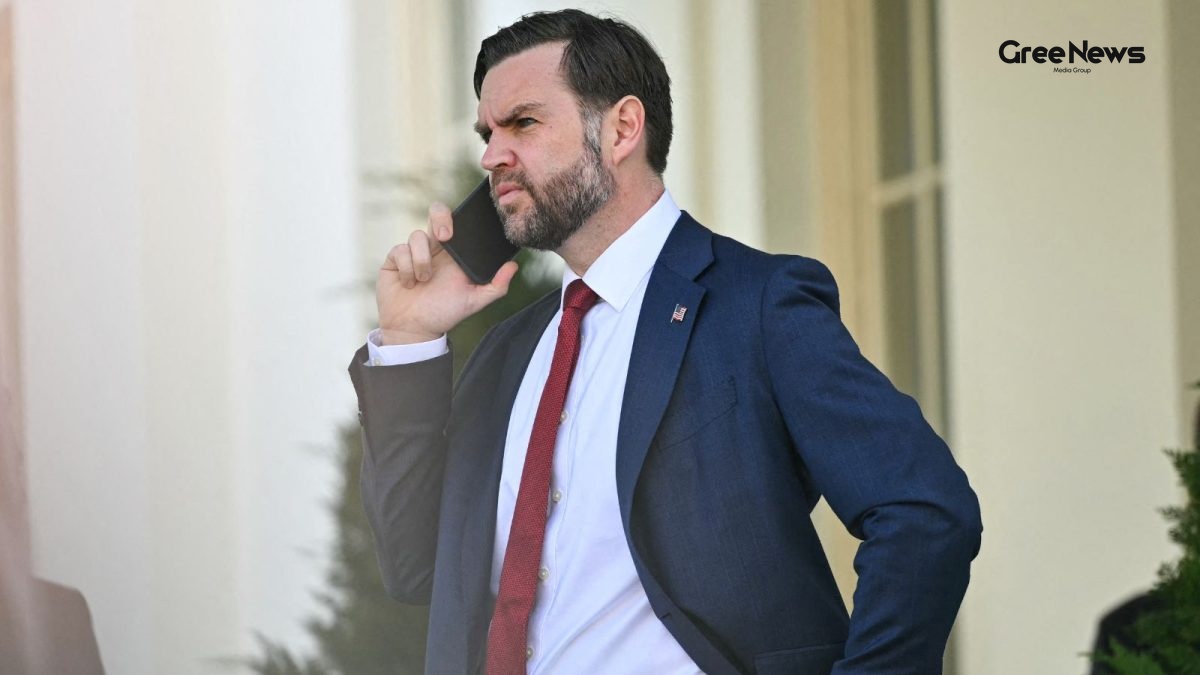
Now, here’s the part that got everybody talking on social media Marandi pointed fingers squarely at US Vice President JD Vance. Apparently, Vance was present in the meeting and, according to Marandi, made a swift decision that caused the whole thing to fizzle out. He didn’t give a ton of details, but the implication was clear: something behind the scenes made the US side feel they couldn’t continue.
What’s interesting is that this story coincided with an opinion piece that appeared in The Washington Post, which, Marandi mentioned, was calling for a “final barrage of leadership strikes” against Iranian officials. The article wasn’t an official US policy declaration it was just an opinion, but in the world of diplomatic negotiations, such rhetoric can create a charged atmosphere that makes delegates uneasy. Marandi hinted that the tone of that piece might have added to the feeling of insecurity, almost like a background soundtrack that made everyone on the Iranian side think twice about staying any longer.
Honestly, the whole thing felt like a scene out of a Bollywood thriller a secret meeting, a puzzling exit, and whispers of hidden threats. And that’s exactly why it became such breaking news across the subcontinent. People started wondering: Was there an actual security threat? Or was it a political manoeuvre disguised as a security concern?
The security threat that made them flee
Marandi said the delegation felt unsafe, but he didn’t spill the beans on what the threat actually was. No details about whether it was a physical danger, a cyber‑attack, or maybe a sudden mobilisation of local security agencies. He just dropped the line that “credible security threats emerged during the course of the talks in Islamabad.” That line alone sent a wave of speculation across Twitter and even the local WhatsApp groups many were sharing similar stories about how diplomatic teams sometimes have to leave via a back‑door when the situation gets dicey.
In most cases, such threats aren’t publicly disclosed because they involve sensitive intelligence. So the fact that Marandi chose to talk about it at all suggests that the Iranian side wanted to make sure the world knew they didn’t just walk out because they lost interest. They wanted to paint a picture of genuine fear for their safety.
What caught people’s attention next was the description of the exit: “We had to leave via an alternative route and on a different aircraft.” Imagine the scene a convoy of cars, a low‑key airport runway, maybe even a private jet that isn’t scheduled for the usual diplomatic flights. It sounds like something you’d see in a Hollywood spy movie, not in a regular diplomatic meeting. Yet, according to Marandi, that’s exactly how the Iranian team made their exit, under the radar, to avoid any potential danger.
Reactions from the world and what it means for India updates
Since Marandi’s interview went live, the story has been making rounds on every major portal that covers trending news India. The fact that it involves two big players the US and Iran and happens on Pakistani soil, naturally raises the stakes. Analysts in New Delhi have started weighing in, saying that this could affect the broader security calculations across South Asia, especially with ongoing concerns about the Iran‑Israel proxy battles and the US’s strategic posture in the region.
What’s even more fascinating is how quickly the narrative turned into a viral news piece. Within hours, multiple newsrooms were publishing pieces with headlines like “Iranian delegation forced to escape via secret route” and “US Vice President allegedly halts talks over security fears.” The story tapped into the public’s appetite for behind‑the‑scenes political drama, and the lack of an official denial from either the US, Pakistan or Iran turned it into a perfect storm for speculation.
From the Indian perspective, this incident could shape how New Delhi views its own diplomatic engagements with both countries. While India maintains a careful balance staying friendly with Iran for energy and geopolitical reasons while also being a strategic partner of the US any sudden escalation could force New Delhi to reassess its stance. Some commentators suggest that this ‘break‑away’ event might push India to deepen its own back‑channel efforts, perhaps using its own diplomatic channels to encourage a more stable trajectory.
What’s next? The future of US‑Iran talks
Honestly, the big question remains: will the talks be revived? As of now, there’s been no official comment from any side. The US government hasn’t addressed Vance’s alleged role, and Pakistan’s foreign ministry remains tight‑lipped about the security concerns that allegedly forced the Iranian team to take an alternate route.
If I were to guess based on past diplomatic patterns the two sides might quietly go back to the drawing board, perhaps through a different set of envoys, or maybe they’ll push for a more formal, public‑facing round of negotiations. However, the shadow of this incident will likely linger. Future delegations may take extra precautions, and the “security threat” narrative could be used by hardliners on both sides to argue against any further engagement.
And for us regular folks who keep an eye on the latest news India, it’s a reminder that international diplomacy isn’t always a tidy, table‑talk affair. Sometimes, the real drama unfolds behind closed doors, in whisk‑away exits, and in the subtle signals that leaders send each other.
Personal take why this matters to everyday readers
From where I sit, watching the news on my mobile while sipping chai, this story felt oddly relatable. It reminded me of those moments when you’re at a family function, and suddenly someone decides to leave early because something feels off in the room. You never know if it’s a genuine concern or just a pre‑text. In the diplomatic arena, the stakes are obviously a lot higher, but the human element fear, caution, and the need to protect one’s own remains the same.
And that’s why I think this piece will keep trending. It’s not just about geopolitics; it’s about the human side of politics. People love a good story that combines intrigue, a dash of danger, and a hint of mystery. The fact that it happened in Islamabad, a city that’s already on many people’s radar because of its strategic location, adds another layer of curiosity.
So, whether you’re a policy wonk, a student of international relations, or just someone who enjoys a bit of drama with their morning newspaper, this story has something for you. Keep an eye on the updates, because whatever happens next will likely ripple through the corridors of power in Washington, Tehran, Islamabad, and even New Delhi.