So, the other day I was scrolling through my phone, catching up on the latest news India has to offer, when I stumbled upon a tweet that instantly caught my attention. It was from none other than Asian Games silver medallist Tejaswin Shankar, and he was not holding back. He called the four‑month delay in finalising the Arjuna Awards a “sign of disrespect”. Honestly, it felt just like a friend venting about an unfair situation raw, immediate, and very relatable.
What sparked the controversy?
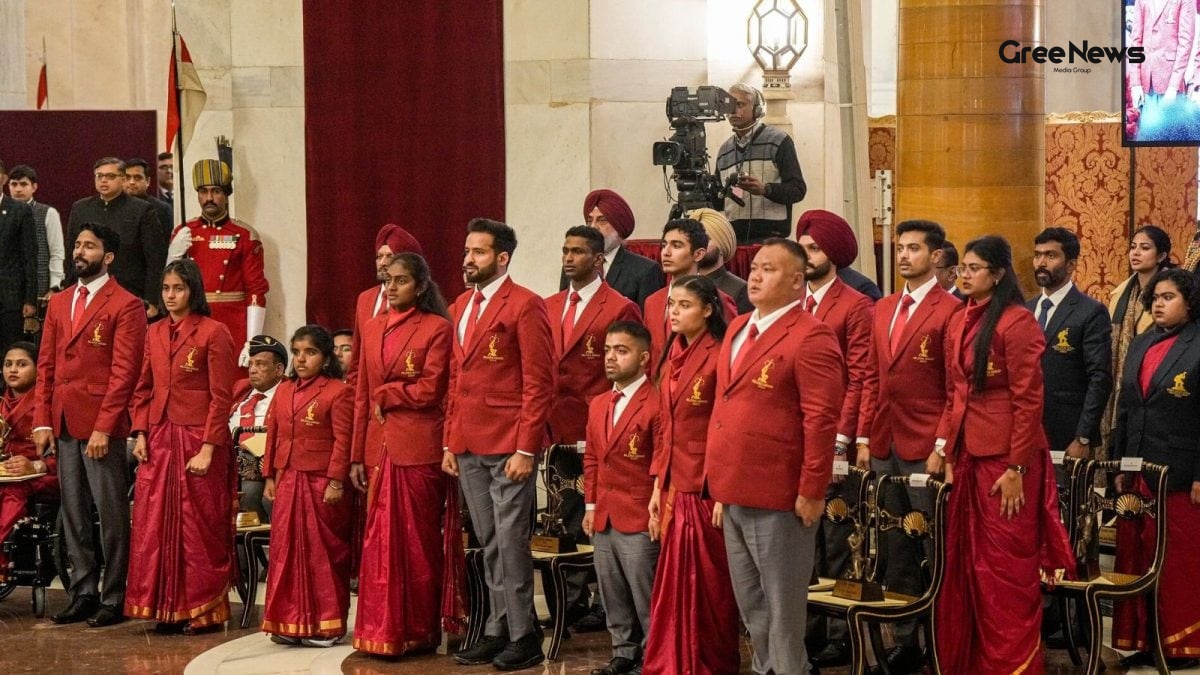
To understand why this became such a hot topic, let’s rewind a bit. Back in December, an unofficial list of nominees for the Arjuna Awards was leaked. The list featured 24 athletes from different disciplines from teenage chess prodigy Divya Deshmukh to the decathlete Tejaswin Shankar himself. The Sports Ministry, however, didn’t give anyone a final word until a few months later, saying they were still “re‑evaluating” the proposals.
This timing issue is the crux of the matter. Shankar’s tweet read, “This should have been thought of ‘before’ the unofficial recommended names came out in December. Not 4 months ‘after’. This delay is not just demotivating to athletes and coaches but also a sign of disrespect.” The statement went viral, trending across social platforms and quickly becoming viral news about the sports awards saga.
The official process what we know
Here’s how the award mechanism generally works, according to the Ministry’s statements. After the nominations are collected which this year already faced a delay a selection committee submits its recommendations. In this case, the committee handed over its list in December. Normally, the final list would be announced a few weeks later, coinciding with the annual ceremony on August 29, the birth anniversary of hockey legend Dhyan Chand.
But this year things went sideways. The Ministry decided to pause and reconsider, arguing that a points‑based, transparent criterion would remove “unworthy nominations”. In their view, a separate selection panel might be redundant if the criteria were crystal clear. This move, while perhaps well‑intended, resulted in a four‑month lag that many athletes, including Shankar, see as demoralising.
Who are the nominees? A quick rundown
Among the 24 names shortlisted for the Arjuna Awards, a few stand out:
- Hardik Singh the sole recommendation for the Khel Ratna, India's highest sporting honour.
- Divya Deshmukh a teenage chess prodigy who has already made waves internationally.
- Aarti Pal a yogasana athlete, marking the first time this discipline is being considered for the Arjuna Award five years after the ministry recognised it.
- Tejaswin Shankar the decathlon star who switched from high jump, bagging a silver at the 2022 Asian Games and later a silver and bronze at the Asian Athletics Championships in 2025 and 2023 respectively.
All of them have been patiently waiting for the final nod, and the delay has not just been a bureaucratic hiccup it’s felt personal for many of them.
Why does the delay matter? A personal take
Having grown up watching sports on the streets of my hometown cricket matches on the concrete, local kabaddi tournaments in the evenings I know how much validation means to a player. When a governing body takes months to announce an award, it sends a message that the athletes’ hard‑work isn’t as valued as it should be. That’s why Shankar’s reaction resonated with me; it felt like a genuine grievance coming from someone who lives and breathes sport.
Moreover, the timing is crucial. The awards, traditionally presented on Dhyan Chand’s birthday, not only honour the athletes but also inspire the next generation. Skipping or postponing the ceremony disrupts that cycle of motivation. It’s not just a “schedule clash”, it’s a missed opportunity for the nation to celebrate its sports heroes.
What the Ministry says and where the gap lies
The Sports Ministry publicly stated that the re‑evaluation aims to ensure only the most deserving athletes are honoured, using a clear points‑based system. In most cases, such transparency is a good thing. However, the lack of a concrete timeline, coupled with the fact that the recommendations were already out in December, makes the process feel like a moving goalpost.
Critics argue that the Ministry’s stance is more about political optics than genuine fairness. After all, the Khel Ratna was already decided Hardik Singh while the rest of the Arjuna list remains in limbo. This uneven approach has led many coaches to voice their disappointment, adding to the growing chorus of “breaking news” about sports administration in India.
Impact on the ground athletes and coaches speak
Several athletes, apart from Shankar, have shared similar concerns on social media. One coach, who asked to stay anonymous, said, “When we train young talent, we promise them recognition. A delay like this feels like we’re breaking that promise.” The sentiment quickly turned into what many described as a trending news India story, with sports forums buzzing with debates on fairness and bureaucracy.
Even the families of these athletes feel the sting. Imagine a teenager like Divya Deshmukh, who has already won international medals, waiting for a national acknowledgment. For her, this award could translate into better sponsorship deals, government jobs, or even just the morale boost that comes from being officially recognised by the nation.
My observations from the field
Being a regular consumer of India updates on sports, I’ve seen a pattern emerging: when the administration takes too long, the narrative shifts from celebration to criticism. It’s a subtle but powerful change. In most cases, the Government’s intention to maintain integrity is noble, but the execution needs to be swift. Otherwise, we end up with more breaking news stories that focus on what went wrong rather than celebrating achievements.
What struck me most was how quickly the public rallied behind Shankar. Within hours, memes, supportive comments, and even some humorous takes appeared, showing that the Indian public cares deeply about how their sports heroes are treated. This connection is what makes news truly viral it’s not just about the facts, but about the emotions they stir.
Looking ahead what could change?
If the Ministry wants to restore faith, a few steps could help:
- Set a clear deadline for the final list and stick to it, regardless of internal debates.
- Publish the points‑based criteria publicly, so athletes understand how decisions are made.
- Consider a live, transparent announcement ceremony, perhaps streamed online, to reduce the perception of delay.
- Engage directly with athletes and coaches for feedback, ensuring that the process feels inclusive.
Implementing these measures would not only resolve the current uproar but also set a precedent for future award cycles, keeping the awards relevant and respected.
Conclusion why this matters for every Indian
At the end of the day, the Arjuna Awards are more than just medals or titles; they symbolize the nation’s gratitude towards its sportspeople. When that gratitude feels delayed or diluted, it sends the wrong message to aspiring athletes across the country. Tejaswin Shankar’s candid tweet has sparked a much‑needed conversation about respect, timing, and transparency in Indian sports administration.
Whether you’re a sports enthusiast, a casual follower of trending news India, or simply someone who believes in fair recognition, this saga highlights how important it is for institutions to honor their promises promptly. The hope is that the Ministry will listen, act fast, and bring the much‑awaited list out soon before the next wave of viral news turns this story into a cautionary tale.