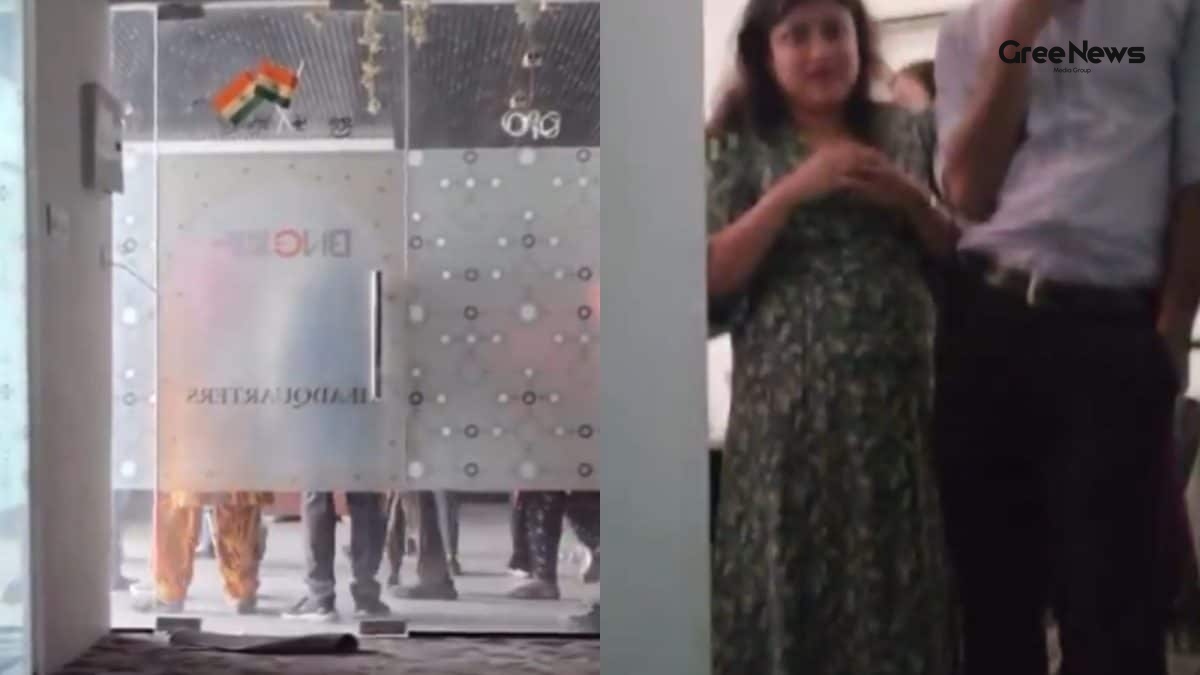
A viral video of passengers performing aarti inside a train sparks debate online, with some praising faith while others question rules, safety, and use of public space
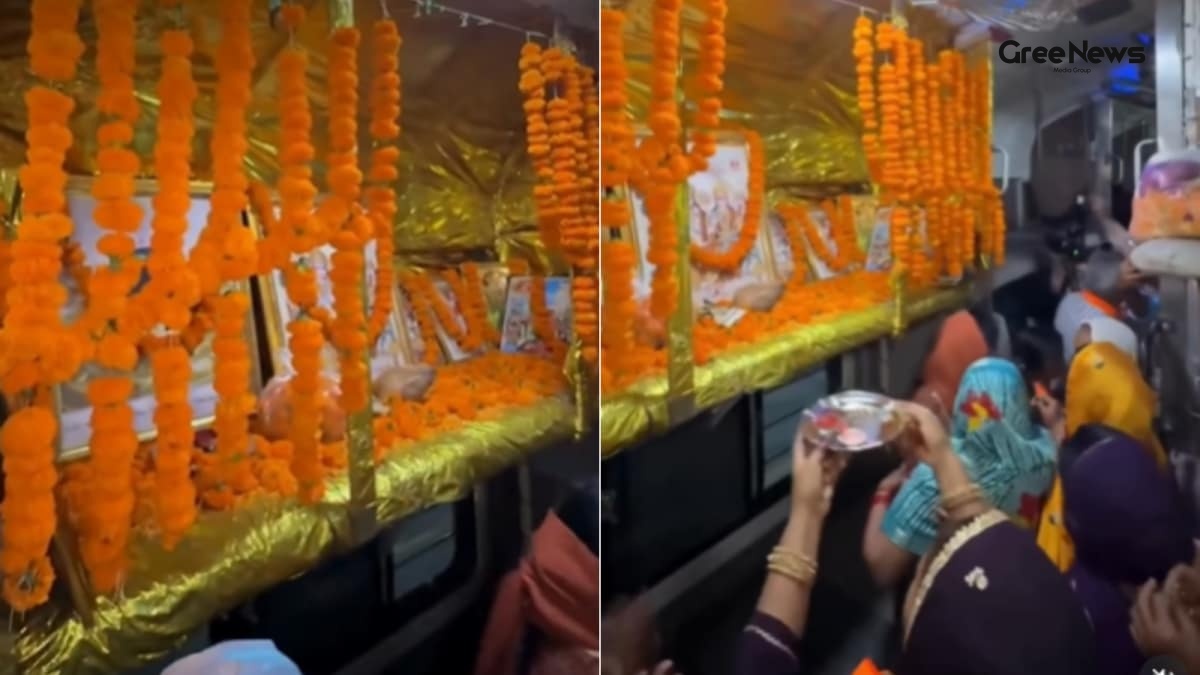
So there I was, scrolling through my usual feed of the latest news India, when a short clip caught my eye. It was a video of a group of travellers gathered in a train coach, singing, waving incense sticks and offering prayers. The coach looked nothing like your regular sleeper the upper berth had been turned into a tiny shrine, complete with flowers, colourful rangoli patterns and pictures of Hindu deities. It was like a mobile mandir on a moving train.
The video immediately went viral the kind of breaking news that spreads faster than a Delhi metro during rush hour. Within minutes, comments were flooding in, people tagging Indian Railways, the NCIB and even political leaders. Some called it a beautiful display of faith, while others were quick to ask “Why are they not in jail already?” and wondered if safety rules were being ignored.
What happened next is interesting. The clip started off with a few supportive thumbs‑up, but soon the tone shifted. A sizeable chunk of the online community started questioning whether this kind of aarti, performed in a public transport setting, is even allowed. “Is it legal? Is it safe? Will it inconvenience other passengers?” they asked. These concerns were not just random; they reflected a genuine curiosity about how public spaces are meant to be used in our country.
Why the train was different the Bharat Gaurav tourist train
Before jumping to conclusions, many pointed out a crucial fact: the train in the video wasn’t an ordinary commuter service. It was a Bharat Gaurav tourist train, a special service designed for religious and cultural tourism. These trains usually run on major pilgrimage circuits, carrying devotees from one sacred destination to another. In most cases, the railway authorities actually encourage certain cultural activities on these trains, because they add to the overall experience of the pilgrims.
That piece of information helped many commenters put the video in context. A user wrote, “Context matters! This is a Bharat Gaurav train dedicated to pilgrimage circuits. These devotional activities are officially supported by the staff and are part of the themed travel experience.” It turned out that the aarti was not a random act by a few passengers, but something that had been coordinated, at least in part, with the train staff.
Even so, the fact that a public space was turned into a mini‑temple still raised eyebrows. A lot of people felt that, regardless of the train’s special status, there are basic norms that need to be followed especially when it comes to cleanliness and crowd management.
Social media’s mixed reactions from admiration to outrage
Scrolling through the comments felt like watching a live debate in a crowded tea stall. One user, clearly moved, said, “Wow! So Proud 😍 … plz do similar in public washroom 😍 as an ...” The comment was full of enthusiastic emojis and a kind of tongue‑in‑cheek promise to repeat the decoration elsewhere. It showed how some netizens could take a light‑hearted, almost playful stance toward the whole affair.
On the other side of the spectrum, another commenter wrote, “Why are they not in jail already? How come in a public place, such nonsense is tolerated? Is it only for viral reels or what?” This reflected the frustration of people who felt that the line between devotion and public nuisance was being blurred.
One particularly striking comment highlighted the religious tension that sometimes underlies such discussions: “If a Muslim person does Namaj in a Train. Then it is wrong… Then what about this… I am a Hindu, but first I am an Indian.” It captured a common sentiment that religious practices on public transport can become flashpoints for broader societal debates.
There were also users who tried to rationalise the incident. “We are Sanathanis. We only do epic s**t,” wrote one, using colloquial slang to defend the act as a proud expression of their faith. The spectrum of reactions is a testament to how deeply intertwined religion and public life are in India, especially when a viral clip brings a local episode onto the national stage.
Official response NCIB’s call for order
The National Centre for Inter‑State Bus (NCIB) sorry, I meant the railway’s official social media handle quickly replied to the post, urging passengers to respect public space norms and maintain order while travelling. Their statement was short but firm: “Please adhere to public space norms and keep the train environment safe and comfortable for all travelers.” This response added another layer to the conversation, reminding everyone that while faith is respected, safety and convenience cannot be ignored.
In most cases, the railway rules are quite clear about the usage of coaches. Activities that can cause obstruction, raise fire hazards, or disturb other passengers are generally discouraged. The NCIB’s reminder was essentially a reminder that, even on a themed train, the basic guidelines apply.
Safety and hygiene concerns are they justified?
When you think about it, a moving train is a confined space. Adding incense sticks, decorations, and a gathering of people can potentially affect air quality, especially for those who are sensitive to smoke. Moreover, crowding around a specific berth might block the aisle, making it harder for other passengers to move around or for the staff to clean the coach efficiently.
One user highlighted this by asking, “Is it safe? Will it cause any inconvenience to other passengers?” Their question is not without merit. While the video did not show any immediate hazard, the worry about setting a precedent is genuine. If one group can turn a coach into a shrine, what stops others from doing similar things with different symbols, or perhaps even less benign objects?
Another practical point is the issue of maintaining cleanliness. The Indian Railways have been working hard to improve hygiene on trains, especially after the pandemic. Introducing flowers, incense, and decorative items can create additional waste, which, if not properly managed, could lead to a mess after the journey ends.
Balancing cultural expression with civic responsibility
At the heart of this whole saga lies a question that many of us in India grapple with every day: how do we balance our rich cultural and religious traditions with the need for shared, orderly public spaces? The answer is never straightforward.
In most cases, we see festivals like Ganesh Chaturthi or Diwali being celebrated in public areas, but with the permission of local authorities, and usually after some planning. The train scenario was different it seemed spontaneous, though possibly coordinated with the staff. Yet the speed at which the video spread made it a trending news India story, pulling in viewpoints from all corners of the country.
My own experience on Indian trains often involves seeing small gestures: a mother offering a prayer bead to a fellow passenger, or a group singing bhajans during a long night journey. Those moments feel intimate and personal, not intrusive. The difference here is the scale a whole coach turned into a shrine and how it was televised across the nation via social media.
So, while many would love to see more of such devotional displays, especially on a Bharat Gaurav pilgrimage train, it is essential to keep in mind the rights and comfort of other travellers. The best approach, in my view, is a dialogue between the railway authorities and community leaders, ensuring that such events are planned, safe, and respectful of everyone’s space.
What this means for future journeys a possible shift in policy?
Given the intensity of the debate, it wouldn’t be surprising if Indian Railways revisits its guidelines for special tourist trains. Perhaps they will formalise a process for allowing religious activities, similar to how some Indian airports have designated prayer rooms. If done right, it could become a unique selling point for the Bharat Gaurav brand, attracting more pilgrims who wish to experience a spiritually immersive journey.
On the other hand, the backlash also signals that many passengers are not comfortable with such displays in shared spaces. The railways might decide to keep the focus strictly on comfort and safety, limiting future decorative efforts to smaller, more subtle gestures like playing devotional music softly over the intercom rather than setting up a full‑blown altar.
Either way, the conversation has already become part of the latest breaking news and will remain a reference point for anyone discussing public conduct on moving vehicles in India. It’s a classic example of how a short, candid moment caught on camera can spark a national dialogue a phenomenon we see more and more in today’s digital age.
Final thoughts faith on the rails
Looking back, I feel that the video, while simple, acted like a mirror reflecting broader societal attitudes. It showed us the love many have for their faith, the pride they feel when they can express it, and also the concerns of those who prioritize safety and order. The fact that this story became a piece of trending news India definitely shows how much people care about the balance between cultural expression and civic responsibility.
In most cases, I think we can all aGree on one thing: a train ride should be comfortable for everyone. Whether that means allowing a short aarti on a pilgrim train or keeping the aisles clear for commuters, the key is respect for each other’s beliefs, for the rules that keep us safe, and for the shared spaces we all use.
So the next time you see a viral clip of something unexpected on a train, ask yourself: what does it say about our society? And perhaps, just perhaps, think about how we can make room for both devotion and decorum on the rails of India.