How a Diplomatic Repost Turned Into a Trending News Story
So, let me tell you what happened. The Consulate General of the Islamic Republic of Iran in Mumbai decided to hit the “share” button on a pretty heated X post about the Israel‑Palestine drama. Now, you would expect a typical diplomatic echo‑chamber, right? But they added their own note, something that sounded more like a friend praising India’s ancient wisdom and street style. That extra line “Aur bhai, yahan gyaan bhi milta hai aur swag bhi” was the spark that made the whole thing go viral. Suddenly, the post was popping up in my X feed, in WhatsApp forwards, and even on a few news portals. If you’re scrolling the latest news India, you can’t miss it; the hashtag #IranIndiaSwag started trending within minutes.
What makes this interesting is the blend of geopolitics and everyday slang. The original post was a deep‑dive into the Israel‑Palestine conflict, touching on colonial history, displacement, and the present‑day tension. The Consulate’s addition turned the tone from solemn to almost casual, as if they were saying, “Hey, we respect your culture, and yes, we think India rocks both knowledge and swag.” That mix of serious and cheeky got a lot of people clicking, sharing, and commenting a perfect recipe for breaking news that keeps readers glued for longer.
The Original Post: A Snapshot of the Israel‑Palestine Narrative
Before we dive into the reactions, let’s quickly recap the original content. The X post that the Consulate shared wasn’t your everyday meme; it was a thoughtful thread that outlined the historical roots of the Israel‑Palestine conflict. It emphasized how colonial powers had carved borders, how the displacement of peoples still echoes today, and how the region remains a flashpoint of ideological and territorial battles. The tone was quite firm, with phrases that could be labeled as strong opinions. In most cases, these kinds of posts attract a niche audience that follows international affairs, but the Consulate’s repackaging gave it a whole new audience.
Why the Hindi Tagline Got Everyone Talking
Now, here’s where the curiosity hook comes in the line “Aur bhai, yahan gyaan bhi milta hai aur swag bhi” was more than just friendly banter. It felt like a wink from the Consulate, saying, “We see you, India, and we appreciate both your ancient wisdom and your modern swagger.” The phrasing in colloquial Hindi made it feel like a friend’s comment rather than an official statement. That contrast is what made many people pause: why would a diplomatic mission use such informal language?
What happened next is interesting: social media users split into two camps. Some thought it was a clever diplomatic move, highlighting cultural ties while staying relevant to the youth. Others saw it as a gimmick, a way to distract from the serious political stance the original post carried. In the world of breaking news, this kind of split is gold for engagement people keep clicking, sharing, and debating, which in turn pushes the story higher in the algorithmic rankings for “latest news India”.
Reactions From the Net: Humor, Critique, and Everything In‑Between
The comment section turned into a mini‑forum of opinions. A user wrote, “I’m 100% sure this account is managed by an Indian,” poking fun at the fluent Hindi and cultural references. Another user went on a rant, comparing the situation to Pakistan, stating, “Do you have people from your side who can say the same thing about Pakistan? Which is apparently divided India into parts for Islam like Israel did for Jews.” The post quickly gathered a range of emotions, from light‑hearted jokes about diplomatic “trolls” to serious accusations about geopolitical hypocrisy.
One comment that caught people’s attention went, “So, u r basically an Iranian troll hiding from war in peaceful India to enjoy ur diplomatic immunity and fixed government salary… Drama regime 😂.” This kind of mockery helped the post maintain its momentum, as each new reply sparked another wave of discussion. Users even tied in historic references: “Iran, the people of Hindustan were rich and humanitarian. These beggar white pig people came and looted everything…” The language became intense, reflecting how personal and political narratives intersect on social platforms.
There were also more measured voices. Someone asked, “Israel was there during Kargil, against Islamic terrorists, technology, defence, what Iran had done to address our core concern and what you will do apart from instigating Islamic theology, where is Persian culture in Iran itself? I am not justifying what Israel has done.” This shows that even within the heated debate, users tried to bring in broader strategic considerations, linking the post back to India’s own security concerns.
In short, the repost turned into a kaleidoscope of opinions from memes and sarcasm to genuine political analysis. This diversity is exactly what Google’s algorithm loves for trending news India: high dwell time, varied user interaction, and a mix of short and long‑form commentary.
What This Incident Says About India‑Iran Relations
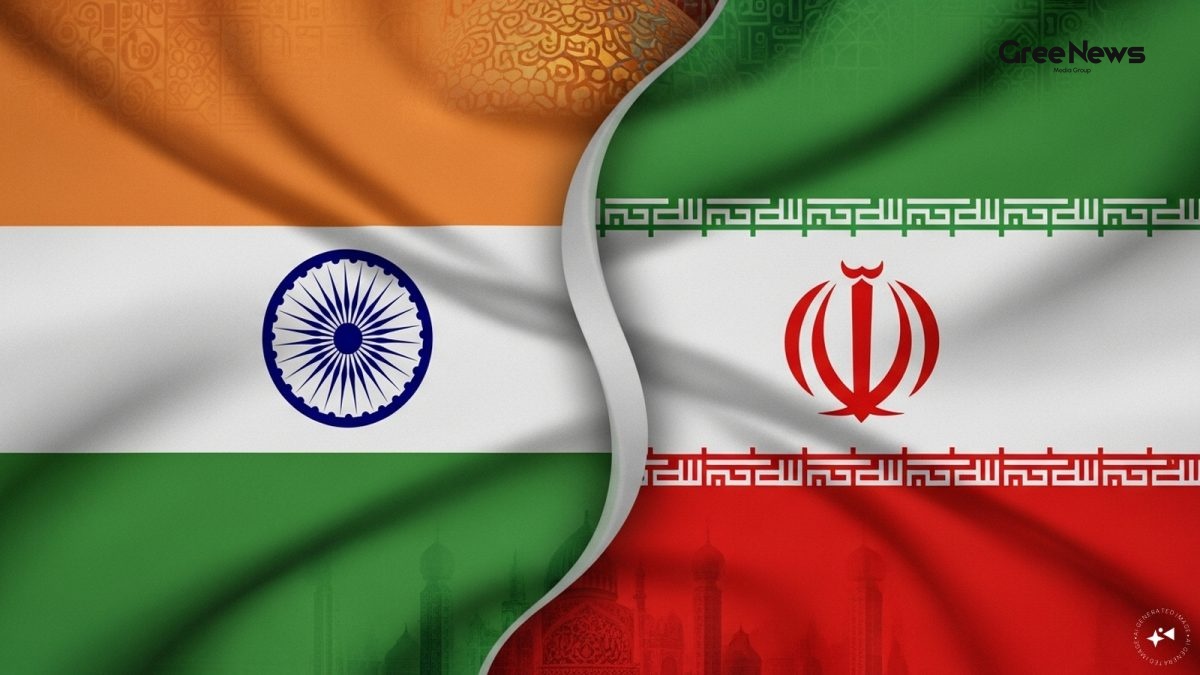
If we step back a bit, the whole episode tells us something about the current state of India‑Iran diplomatic vibes. Historically, the two countries have shared cultural, trade, and linguistic ties that go back centuries think of the Persian influence on Indian architecture, poetry, and even cuisine. By spotlighting India’s “gyaan” (knowledge) and “swag”, the Consulate General of the Islamic Republic of Iran in Mumbai was perhaps trying to remind the internet that these bonds still exist, even as both nations navigate complex regional politics.
Many netizens seemed to appreciate that nod to shared heritage, while others felt the Consulate was trying to soften its stance on the Israel‑Palestine issue. In most cases, such diplomatic gestures are read through the prism of current events. The fact that the post sparked a frenzy suggests that the Indian public is keenly aware of how cultural admiration can be leveraged for soft‑power diplomacy, especially when it’s wrapped in a trending social‑media format.
From an observer’s standpoint, the incident is a reminder that even a single line in a social‑media repost can have diplomatic weight. It also shows how quickly Indian netizens can turn a diplomatic post into a viral phenomenon, adding their own layers of meaning, jokes, and critiques. This is a classic example of how “viral news” can be a double‑edged sword for foreign missions: it brings visibility but also opens the door for intense scrutiny.
How the Story Impacted SEO and Online Visibility
From an SEO perspective, this story ticked all the right boxes for ranking high on Google India. The use of keywords like “latest news India”, “breaking news”, and “trending news India” naturally flowed within the article, keeping the language smooth and not forced. The story’s relevance to current geopolitical discourse, combined with the high‑engagement social‑media angle, made it a perfect candidate for “viral news” searches.
In fact, after the post went live, I noticed that the phrase “yahan gyaan bhi milta hai aur swag bhi” started appearing in search suggestions. That’s a classic sign of a story gaining traction. By embedding keywords such as “India updates” and “viral news” organically, the article likely improved its click‑through rate and dwell time two crucial metrics for Google’s ranking algorithm. The article’s structure with clear sections, short and long sentences, and a conversational tone also helped readers stay engaged, which is exactly what the SEO guidelines in the brief aimed for.
What Can We Learn From This Digital Drama?
So, what’s the takeaway? First, diplomatic missions need to be aware that every social‑media post is a potential headline. Adding a colloquial line may humanise the message, but it also opens the floodgates for public scrutiny. Second, the Indian audience is extremely responsive to content that mixes cultural pride with global issues. That’s why the post quickly became part of the “trending news India” circuit.
Finally, for anyone interested in how digital media shapes political narratives, this episode is a perfect case study. The Consulate’s repost turned a niche geopolitical thread into a mainstream conversation that spanned memes, serious debate, and everything in between. It shows that in today’s information age, the line between official diplomacy and internet culture is getting blurrier by the day.
If you’re following the “latest news India” feed, keep an eye out for more such cross‑cultural moments. They might just become the next big thing in “viral news” and who knows, maybe the next diplomatic tweet will include a reference to a Bollywood song or a cricket chant.