Why I was surprised by Nitish Kumar’s resignation
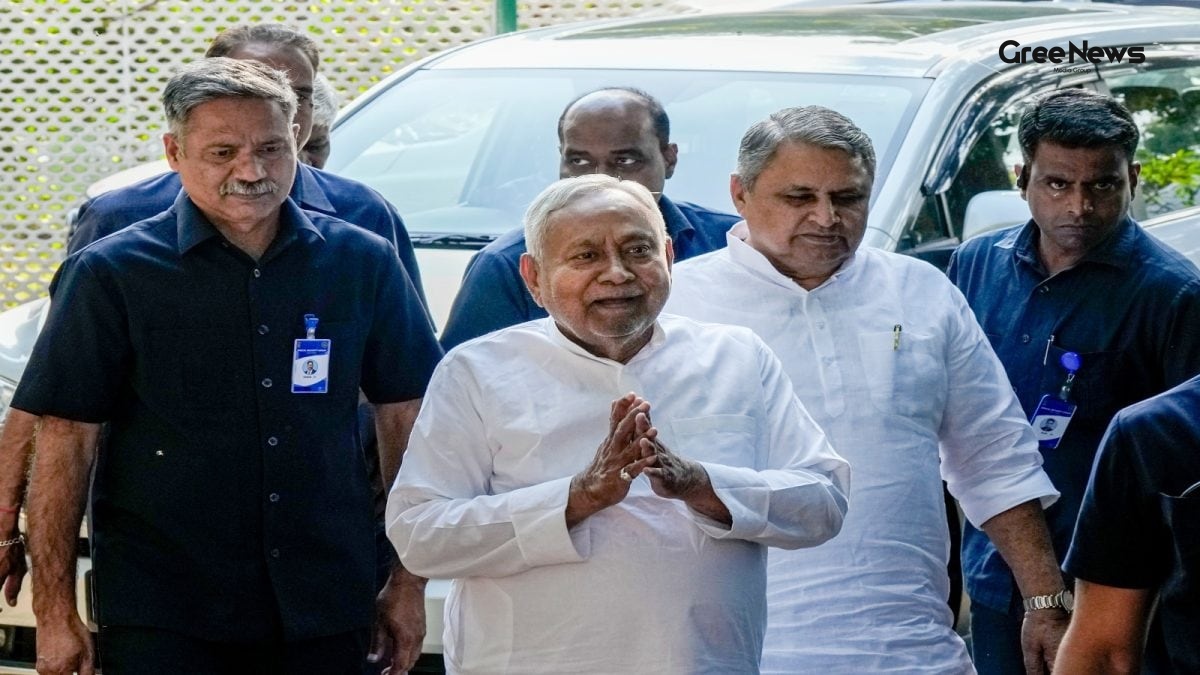
Honestly, I was scrolling through the latest news India when I saw the breaking news headline flashing on my phone “Nitish Kumar resigns as Bihar CM”. It caught my attention right away because for years, Nitish Kumar has been the steady face of Bihar’s politics. I mean, the man has been in every legislative house you can think of from the Bihar Assembly to the Rajya Sabha. So, when he stepped down after a crucial cabinet meeting, I thought, "What’s happening now?" The news quickly turned into trending news India, with everyone from street vendors in Patna to political analysts on YouTube weighing in.
The meeting he chaired was said to discuss several key agenda items. In most cases, such meetings are routine, but this one felt like the final chapter of his current term as chief minister. The atmosphere was different a mix of anticipation and uncertainty. You could feel it in the bustling markets where vendors started whispering about who would take the reins next.
What the resignation really means for the NDA
Now, before you think this is just a random political shuffle, let’s dig a little deeper. The National Democratic Alliance (NDA) has been the ruling coalition in Bihar for a while, and this move could signal a strategic reshuffle. I chatted with a friend who works in a Delhi‑based think‑tank, and he told me that the NDA is probably using this as an opportunity to recalibrate power‑sharing, especially with the BJP looking to strengthen its foothold in the state.
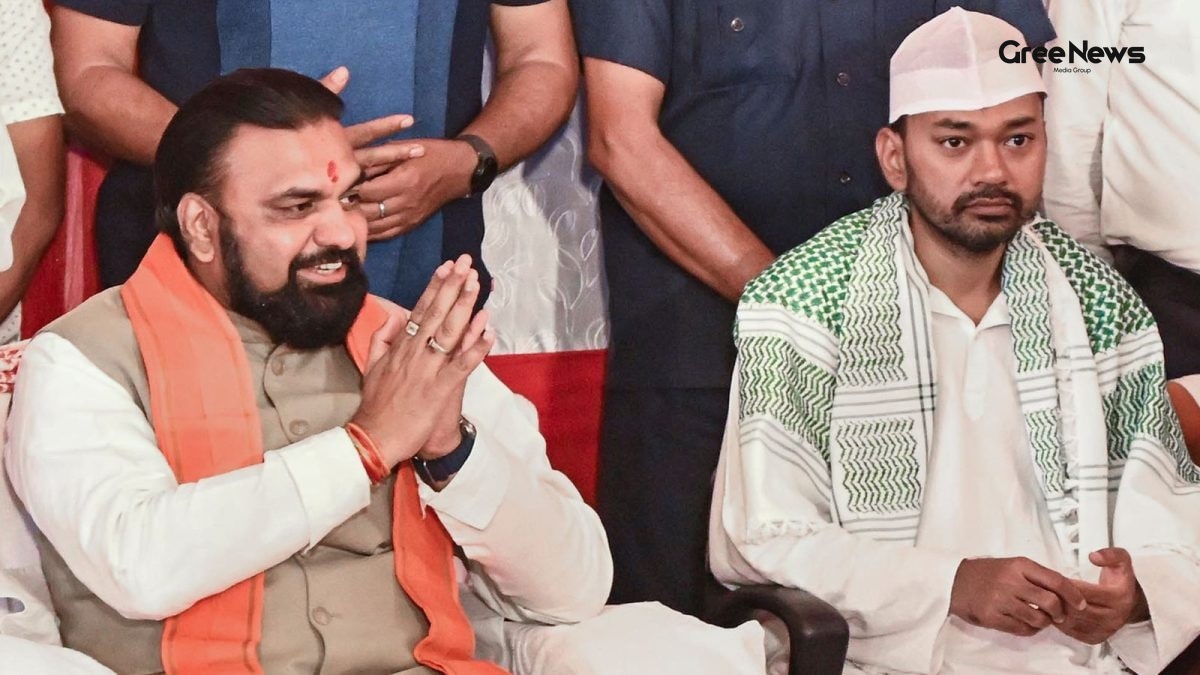
Breaking news outlets are already reporting that the BJP might be eyeing the chief minister’s post. If that happens, we could see a different flavour of governance, though the party has assured that policy continuity will be maintained. This speculation is not just idle chatter; it’s backed by the fact that Deputy Chief Minister Samrat Chaudhary visited Nitish Kumar’s residence in Patna just a couple of days before the resignation, raising eyebrows across the political spectrum.
Most people were surprised by how quickly these developments unfolded. It’s as if a domino effect was set in motion after Nitish Kumar took oath as a Rajya Sabha MP an event that many saw as paving the way for this leadership restructure.
JD(U)’s reassurance Nitish Kumar will still guide Bihar’s progress
One line that kept popping up in the viral news feeds was the JD(U)’s statement that "Nitish Kumar will continue to guide Bihar’s development". I tuned into a live telecast of Sanjay Kumar Jha, the JD(U) Working President and Rajya Sabha MP, and his words felt reassuring yet a bit cryptic.
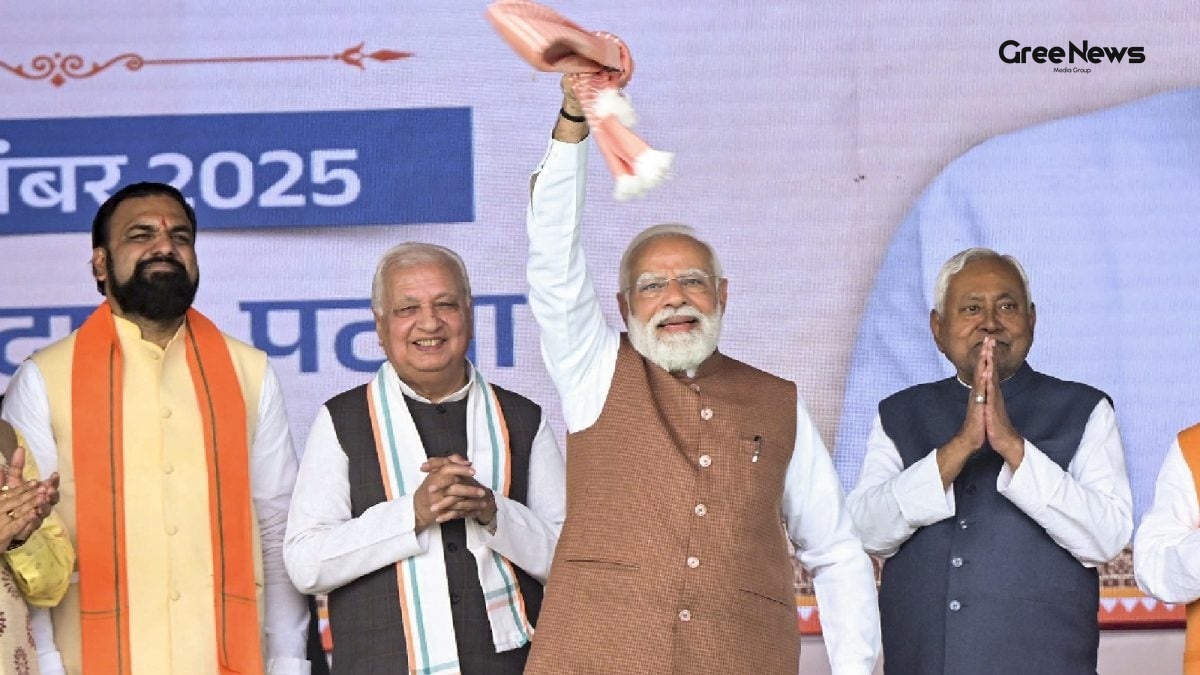
He said, “As far as Bihar is concerned, we contested the 2025‑30 election mandate under Nitish Kumar’s leadership with the support of the NDA. The Prime Minister campaigned regularly, and the new government will continue Nitish Ji’s policies and work under his guidance. Even if he is not Chief Minister, his focus remains on Bihar, travelling to Delhi only for Parliament sessions.” Basically, the party wants us to know that even if he’s not wearing the CM badge, his influence won’t disappear overnight.
According to ANI, JD(U) leaders are emphasizing that the governance framework and policy direction will still be anchored by Kumar’s experience. In my view, that’s a smart move it keeps the supporters calm while opening the door for a fresh face to take charge.
Who could be the next chief minister? The speculation game
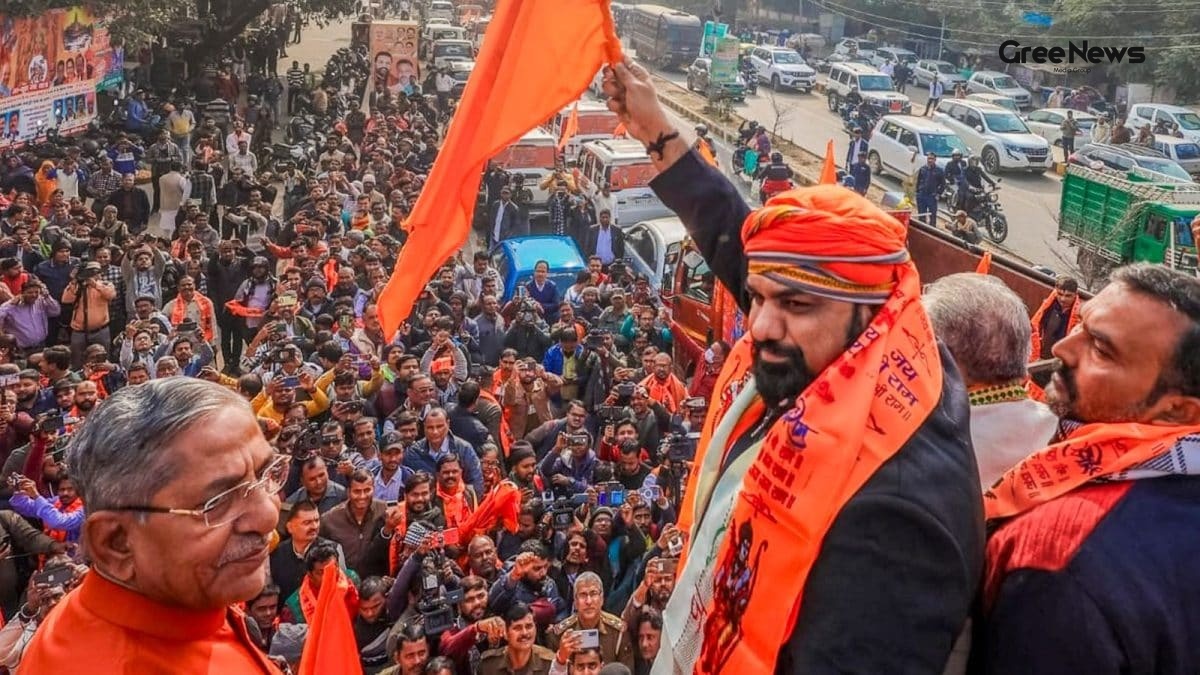
Now, let’s get to the juicy part the successor saga. The political chatter on WhatsApp groups and regional forums is relentless. Some say the BJP will push forward a candidate from its own ranks, possibly someone who has already been handling key portfolios. Others argue that JD(U) might want to keep the baton within the party, perhaps promoting Samrat Chaudhary or even looking at younger faces.
What caught people’s attention, though, was the burst of posters in Patna that called for Nishant Kumar, Nitish Kumar’s son, to take on a larger political role. I saw a picture of one such poster while waiting for my auto‑rickshaw it read “Nishant Kumar for a brighter Bihar”. Whether that’s serious political ambition or just a wave of enthusiasm from party workers remains to be seen, but it definitely added a new flavour to the trending news India.
There are also murmurs of discontent within JD(U) ranks. Some workers are unhappy about Nitish Kumar’s move to the Rajya Sabha, feeling that the state needs his direct leadership. This internal friction could influence the final decision on who gets the chief minister’s chair.
In most cases, leadership changes in Indian states involve a lot of behind‑the‑scenes negotiations. I’m guessing the NDA will aim for a smooth transition to avoid any political vacuum, especially with the next state elections on the horizon.
The unique journey of Nitish Kumar across India’s legislative houses
It’s worth taking a moment to appreciate how Nitish Kumar’s political career reads like a checklist of Indian legislative landmarks. From the Bihar Assembly to the Bihar Legislative Council, then the Lok Sabha and finally the Rajya Sabha he’s been there, done that. After his Rajya Sabha election, he resigned from the Bihar Legislative Council, a move formalised by MLC Sanjay Gandhi handing over his resignation to Council Chairman Awadhesh Narayan Singh.
This step completed what many political commentators describe as his “unique legislative journey”. It’s not every day you see a leader traverse all four houses of the Indian political system. The resignation as chief minister, therefore, isn’t just a routine change; it’s part of a larger narrative of how Nitish Kumar has been shaping Bihar’s politics from different platforms.
What’s interesting is how his management of alliance dynamics especially within the NDA has been crucial in keeping the coalition stable in Bihar. Even after stepping down, his guidance is expected to influence policy decisions, especially on development projects that have been his hallmark.
What the leadership transition could mean for everyday Biharis
From my own neighbourhood in Patna, people are curious but also hopeful. Many of us rely on the state’s development schemes from road construction to school infrastructure that were championed under Nitish Kumar’s tenure. The big question now is whether the new chief minister will keep the momentum going.
The NDA’s statement that policy continuity will be maintained offers some reassurance. However, the real test will be how the new leadership handles issues like unemployment, agricultural distress, and the need for better healthcare facilities, especially in rural districts. If the successor can blend fresh ideas with the tried‑and‑tested policies, Bihar might see a new wave of growth.
One thing that caught people’s attention was the sheer speed of the transition. Within days of his Rajya Sabha oath, Nitish Kumar is stepping down, and the next leader could be announced today. This swift movement suggests that the parties involved have been planning this behind the scenes for a while.
How the media is covering the story a mix of breaking news and analysis
If you follow the trending news India sections on major portals, you’ll notice a blend of breaking news alerts and in‑depth analysis pieces. Some channels are running live tickers, constantly updating viewers with statements from JD(U) leaders, BJP spokespersons, and even social media reactions from everyday citizens.
It’s also becoming viral news on platforms like X (formerly Twitter), where hashtags like #NitishResign and #BiharCM2025 are trending. I saw a video of a street vendor in Muzaffarpur explaining the potential impact of the leadership change on local business. These grassroots perspectives add a layer of authenticity that pure political reporting often misses.
The coverage is also highlighting the upcoming election cycle, reminding readers that the next state elections could be a decisive factor in how the NDA decides the new chief minister. In most cases, parties try to present a united front to avoid giving opposition parties a foothold in public perception.
Final thoughts what should we keep an eye on?
To sum it up, the resignation of Nitish Kumar is more than just a headline; it’s a turning point for Bihar’s political landscape. While the NDA is keen on ensuring a smooth transition, the real story will unfold in the weeks ahead as the new chief minister takes charge, outlines their agenda, and starts delivering on promises.
For us, the ordinary citizens, the key is to watch how policies affecting daily life like education, health, and infrastructure evolve under the new leadership. Will the successor continue the “Nitish effect” of steady development, or will they bring a completely new approach? That’s the question many of us are waiting to answer.
Stay tuned, because the next chapter of Bihar’s story is about to be written, and you’ll likely see it featured in the latest news India feeds for weeks to come.