- Shankhyaneel Sarkar
The IMF nudged India’s FY27 growth forecast up to 6.5% here’s my take
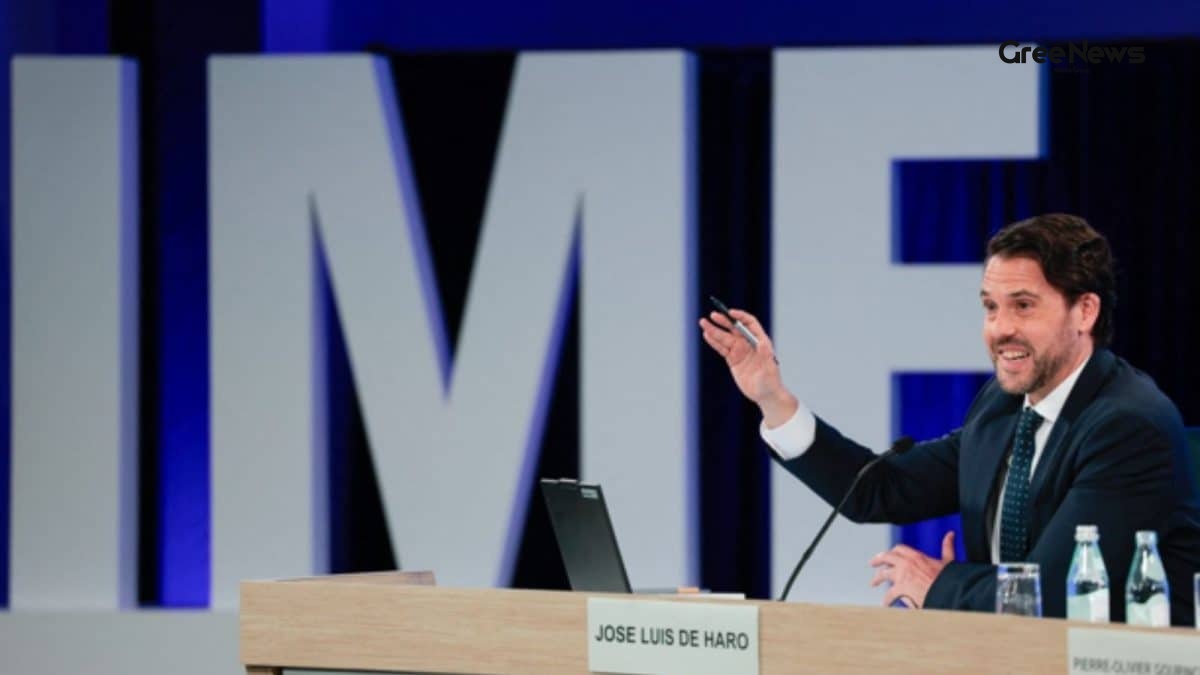
So, I was scrolling through the latest news India feeds this morning, and the first thing that caught my eye was the IMF’s fresh take on our growth story. Basically, they lifted the FY27 GDP growth projection to 6.5%, just a tiny 0.1 point higher than what they had said back in January. It felt like a small bump, but you know how we Indians love to read into even a decimal point it’s like a signal that the global fund sees more fire under our engines.
What’s interesting is that while they’re sounding upbeat about India, they also sounded a lot more worried about the storm brewing in West Asia. The fund warned that the fresh flare‑up after the US‑Israeli strikes on Iran and Tehran’s retaliation could weigh heavily on global growth and, more importantly for us, push inflation upwards in the near term. So, the story is a mix of good vibes for India and a caution flag for the world.
Why the IMF’s tiny upward tick matters
When the International Monetary Fund which most of us treat like a kind of global economic weather‑station adjusts a forecast, it usually means they’ve seen something new in the data. In this case, the bump to 6.5% suggests that the domestic fundamentals like consumer demand, investment flows, and fiscal reforms are holding up better than expected. I’ve noticed that in many metro cities, retail footfalls are picking up, and small‑scale entrepreneurs are talking about better sales, especially after the monsoon season. That grassroots vigor likely contributed to the IMF’s confidence.
But here’s the kicker the IMF didn’t just hand out a rose. They reminded us that the global backdrop is getting shakier. They cut the global growth outlook for 2026 down to 3.1% from 3.3% a subtle but telling downgrade. That deceleration from the 3.4% they had pencilled in for 2025 is a signal that the world economy might be hitting a few speed bumps.
For a country like India, which is deeply linked to global trade, any slowdown abroad can echo here especially in sectors that rely on exports or on imported oil. This is why the IMF’s note about West Asia has become a sort of double‑edged sword for us.
West Asia tensions how they could spill over to India
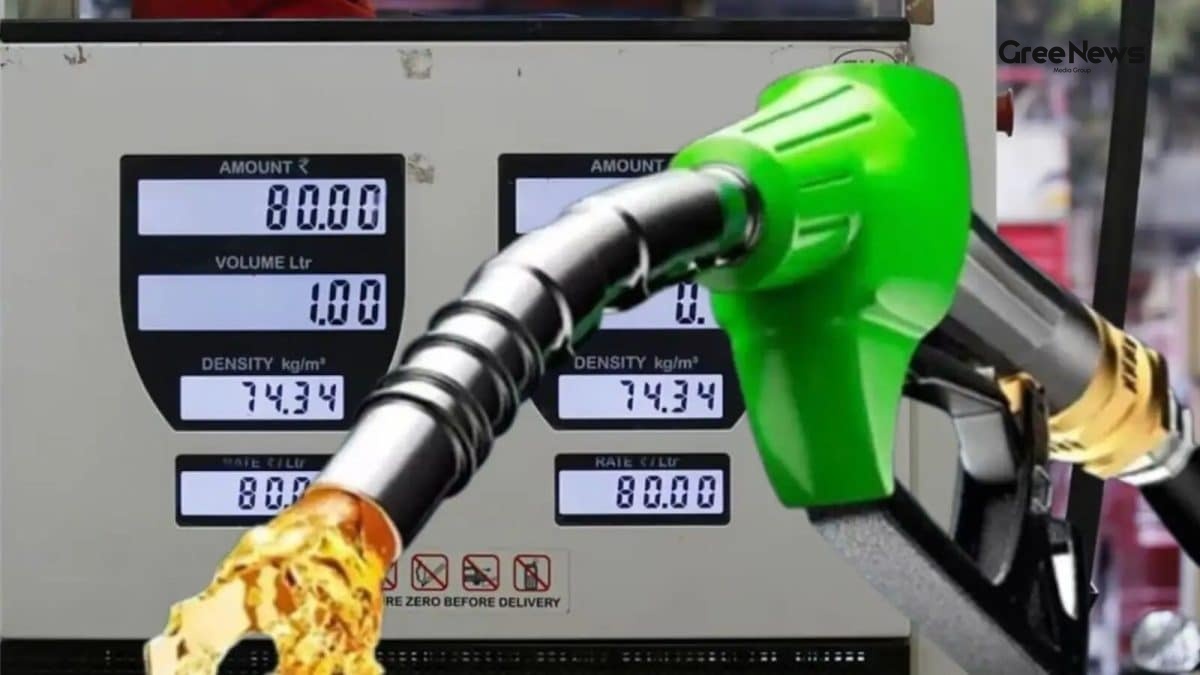
Now, let me break it down in plain terms. The conflict in West Asia, sparked by the US‑Israeli strikes on Iran, has led Tehran to fire back. This chain of events is not just a regional issue; oil markets are incredibly sensitive to any hint of unrest in that part of the world. When oil prices spike, the cost of everything from diesel for trucks to cooking gas for homes rises. And we all know how quickly that translates into higher inflation numbers.
Back home, the last time we saw a sudden jump in oil prices think of the 2020‑21 period it sent food prices soaring and squeezed the pockets of common people. The IMF’s warning basically says, ‘Hey, brace yourselves.’ The fund’s analysts are flagging that the current flare‑up could add upward pressure on global inflation, which will inevitably filter into India’s own price dynamics.
What happened next is interesting: the market reacted almost instantly. The rupee showed a slight dip, and commodity indices started to wobble. It’s a classic case of how geopolitical jitters can ripple through financial markets, even if the immediate impact isn’t felt on the streets yet.
Impact on Indian consumers the everyday angle
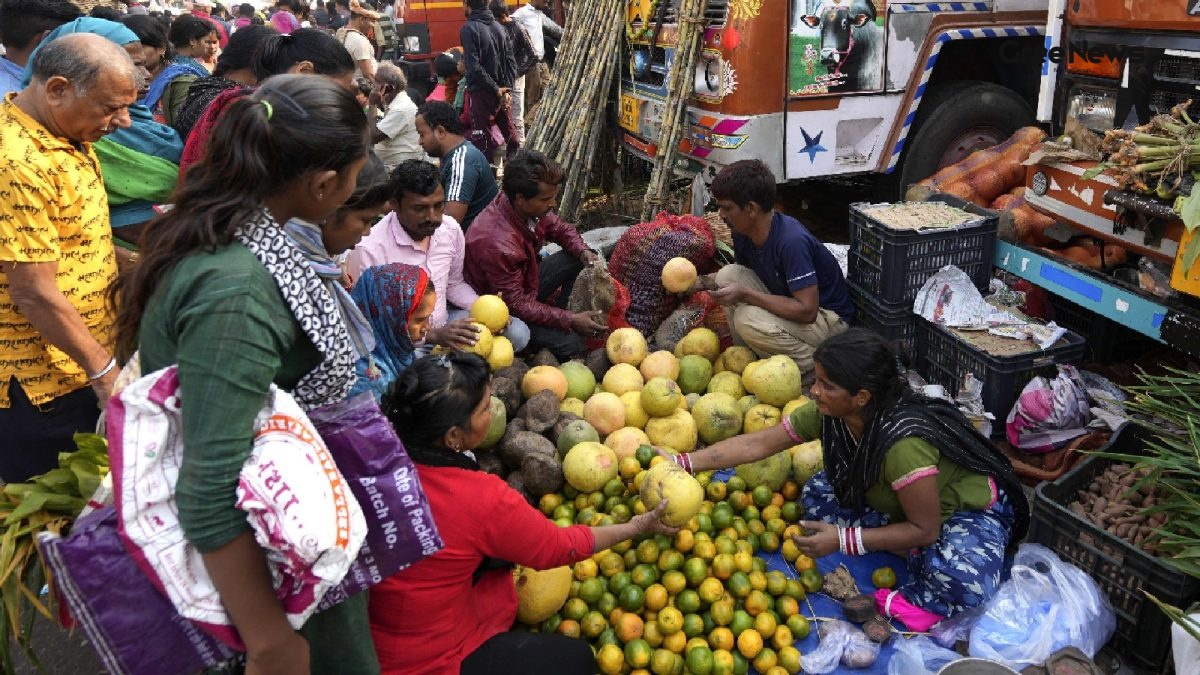
From a consumer’s perspective, the biggest worry is rising prices. Everyone’s been talking about “inflation worries” on trending news India channels, and you can see it in the chatter on WhatsApp groups people are already budgeting tighter for groceries, fuel, and school fees. Even if the IMF’s growth forecast looks bright, if inflation stalks higher, the real purchasing power could stay stagnant or even shrink.
Personally, I’ve been watching my own electricity and fuel bills inch up. It makes you wonder whether a 6.5% growth figure truly translates into better living standards. The IMF’s own note suggests that while headline growth could be solid, the cost‑of‑living pressures might offset those gains.
Many people were surprised by this dual message a growth boost on one hand, and a warning about price hikes on the other. It’s a situation that will force families to make trade‑offs, like cutting down on non‑essential outings or switching to more fuel‑efficient vehicles.
What the global slowdown means for Indian exporters
India’s export sector is a big piece of the puzzle. In most cases, when the global economy slows down, demand for Indian goods especially textiles, pharmaceuticals, and IT services can dip. The IMF’s downgrade of the 2026 global growth forecast to 3.1% hints that overseas buyers might become more cautious.
Take the example of a small textile unit in Gujarat that I visited last year. The owner told me how orders from Europe had slumped after the Eurozone’s own growth slowdown. If the worldwide economy continues to wobble, that unit could see even tighter margins. On the flip side, a stronger domestic growth rate could help them tap more into the internal market, but that shift takes time.
That’s why the IMF’s comments on West Asia matter any disturbance in oil supply can push freight rates higher, making it more expensive to ship goods abroad. This could squeeze profit margins for exporters and make them look for alternative markets or cost‑saving measures.
Policy implications what the government might do
With this mix of good and bad news, policy‑makers have a tightrope to walk. On the one hand, they’ll want to nurture the domestic growth engine perhaps by easing credit for small businesses, pushing digital payments, or investing more in infrastructure. On the other hand, they’ll need to keep a close eye on inflation, especially if oil prices start to climb.
In most cases, the Reserve Bank of India could respond by tweaking interest rates. If inflation shows a sustained upward trend, we might see a cautious hike to curb price pressures. Conversely, if the growth momentum stays strong, the RBI may hold rates steady to avoid choking off credit. It’s a delicate balance, and the IMF’s warning essentially nudges the policymakers toward a more vigilant stance.
Many analysts have suggested that the government could also boost strategic petroleum reserves to buffer short‑term oil price shocks. That’s something we’ve seen in other countries but not as much in India yet.
Investment outlook should you rethink your portfolio?
For everyday investors, the IMF’s outlook can feel like a mixed signal. On the one hand, a 6.5% growth forecast for FY27 is a positive sign for equity markets especially sectors linked to consumer spending and infrastructure. On the other hand, the warning about inflation and global slowdown could make bond yields rise, which means fixed‑income assets may become more attractive.
I chatted with a friend who runs a small mutual‑fund advisory service, and he mentioned that many of his clients are now looking at a balanced approach a mix of equities in growth‑driven sectors and a modest allocation to gold or other inflation‑hedge instruments. This is a typical reaction you see in viral news India stories about market sentiment.
What caught people’s attention was the possibility of sector‑specific moves for instance, renewable energy stocks could benefit if the government pushes for Greener projects to reduce oil dependence. Meanwhile, oil‑driven firms might see a short‑term squeeze.
What does this mean for the average Indian’s future?
At the end of the day, the IMF’s revised forecast is a reminder that India’s economy is resilient, yet still vulnerable to external shocks. The growth figure of 6.5% suggests more jobs and higher incomes in the long run, but the inflation warning means that those gains could be eroded if prices climb faster than wages.
From a personal perspective, I’m keeping an eye on my own household expenses and trying to save a little more in emergency funds a habit many of us have picked up after the pandemic. It’s also the kind of conversation that pops up on social media feeds you’ll see people sharing tips on cutting down on electricity usage or opting for public transport when fuel prices rise.
In most cases, the story we’re living through is a blend of optimism and caution. It’s the sort of "latest news India" that keeps us alert, and the best we can do is stay informed, plan wisely, and hope that the Indian government’s policies keep the inflation monster at bay.
Closing thoughts staying prepared in a shifting landscape
To sum it up, the IMF’s new numbers are a bit of a mixed bag. The slight upgrade to a 6.5% growth forecast tells us that domestic engines are humming, but the warning about West Asia tension and a slower global growth rate reminds us that we’re still part of a larger, interconnected system.
For anyone who follows breaking news, the key takeaway is to watch how inflation trends evolve in the coming months and keep an eye on oil price movements. Those two factors will likely dictate whether the growth optimism we’re hearing today turns into real‑world prosperity tomorrow.
So, let’s stay updated, discuss these developments with friends and family, and maybe use this as an opportunity to think about how we can make our personal finances a little more resilient. After all, the best way to handle uncertainty is to be prepared and a little conversation can go a long way in making sense of it all.