What the IMF Said and Why It Matters for Everyday Indians
When I was scrolling through the latest news India today, I stumbled upon a report from the International Monetary Fund (IMF) that kept India's growth outlook unchanged at 6.5% for the fiscal year 2027. At first glance, that might sound like just another number, but the story behind it is actually pretty interesting especially because it comes at a time when the West Asia conflict is rattling oil markets and sending ripples through the global economy.
What caught people's attention is that the IMF didn't lower its projection despite all the external pressure. Instead, they highlighted three main reasons why India can stay on course. If you're wondering whether this will affect your paycheck, your kids' education fees or the price of a cup of chai, keep reading I’ll break it down in a way that feels like a chat over tea.
1. Strong Domestic Momentum The 2025 Surprise
First up, let’s talk about what the IMF calls a "carry‑over effect" from the year 2025. The Indian economy grew faster than most analysts expected, with the IMF revising growth up to a solid 7.6% for that year. Basically, think of it as a runner who picks up speed halfway through a marathon and carries that boost to the finish line.
International Monetary Fund chief economist Pierre‑Olivier Gourinchas said this momentum is “more than offsetting the war in the Middle East”. In plain words, the strong performance we saw last year is still echoing into 2026‑27, helping to smooth out the bumps caused by higher oil prices and geopolitical tensions. It’s a bit like when you get an early start on a school project you have extra time to handle the unexpected hiccups later.
What happened next is interesting: sectors like construction, retail and digital services kept expanding, driven by a surge in consumer confidence. I remember my neighbour in Bengaluru telling me she finally bought a scooter after saving up for months because she felt more secure about her job. Stories like that on the ground show how the aggregate numbers translate into real‑life optimism.
In most cases, this domestic pull‑back acts as a safety net, especially when external shocks try to shake the boat. So, the first reason the IMF kept the forecast steady is simply that India’s own engine is running hot enough to power through the turbulence.
2. Easing Trade Tensions A Breath of Fresh Air for Exports
Now, onto the second pillar trade. A few months ago, there was a lot of chatter about new US tariffs on Indian goods, which had made many exporters nervous. But the IMF notes that those tariffs have been trimmed down significantly. “Trade discussions between the US and India have reduced the uncertainty around the tariff… and reduced the level of the tariff,” Gourinchas said.
That quote might sound like jargon, but think about the chai‑shop owner in Delhi who imports coffee beans. The lower tariff means cheaper beans, which means a better cup of coffee for his customers and more profit for him. The same logic applies across the board from textile manufacturers in Surat to IT service firms in Hyderabad.
Besides the US, the IMF highlighted broader trade developments, such as new aGreements with the European Union and MERCOSUR. These deals could lower trade costs, boost global activity, and open fresh markets for Indian products. In everyday terms, it’s like getting a discount coupon for a wide range of items the more you can spend, the more you can grow.
Many people were surprised by this development because, usually, trade news is buried under layers of policy talk. But the reality is that with reduced tariffs and smoother negotiations, exporters feel more confident, which in turn supports jobs, wages, and ultimately, domestic demand.
3. Domestic Demand The Real Driver of Growth
Third, and perhaps the most crucial point, is that India’s growth is still largely driven by its own domestic demand. Unlike some of its Asian neighbours that rely heavily on tourism or remittances, India’s internal market the billions of consumers buying groceries, smartphones, and paying for services keeps the engine humming.
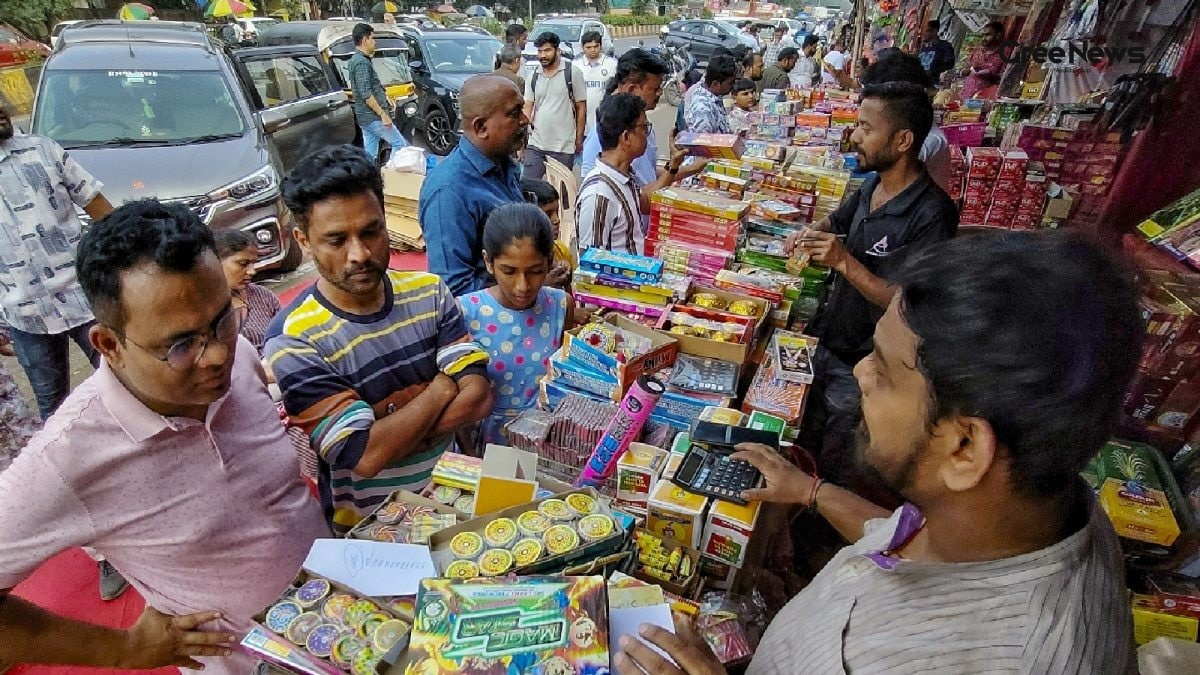
Think about the last time you bought a new smartphone on an EMI plan. That purchase isn’t just a personal decision it’s part of a massive domestic consumption wave that fuels factories, logistics, advertising and even the finance sector.
The IMF emphasised that this robust internal demand “cushions the impact of global disruptions”. Even though the West Asia conflict has pushed oil prices up a concern for an energy‑importing country like India the domestic market’s resilience means those price hikes don’t translate into a full‑blown economic slowdown.
In most cases, when global tourism drops, Indian hotels and airlines might feel the pinch. But because Indian families continue to travel domestically, spend on festivals, and invest in education, the overall demand stays strong. That’s why the IMF believes the war’s impact, while real, is not enough to derail growth.
Energy Prices and Inflation What to Expect
Now, let’s address the elephant in the room oil prices. The West Asia war has definitely made oil costlier, and that does raise a few eyebrows. Gourinchas admitted, “It’s very energy dependent… it’s very oil dependent as well.” However, the IMF’s view is that these pressures are manageable.
They expect inflation to rise a bit in the near term, hitting around 4.7% for 2026, before stabilising close to target levels. In everyday terms, you might see a slight increase in the price of diesel for your auto‑rickshaw or a modest rise in the cost of cooking gas. But the central bank’s tools and the overall demand‑driven nature of the economy should keep these hikes from spiralling.
Think about the last time the price of onions went up dramatically you probably noticed it at the market and maybe cut back on buying them. Inflation works in a similar way: a few higher‑priced items won’t cripple the whole basket if wages and other price components stay stable.
According to the IMF, the short‑term inflation increase is a blip, not a trend. They see India’s growth trajectory aligning well with its long‑term potential, which they place at around 6.5% the same figure they kept for the FY27 forecast.
Why This Matters for You A Personal Take
Let me bring this back to you, the everyday reader. If you’re a small business owner in Jaipur, the steady growth outlook means you can plan investments with a bit more confidence perhaps expanding your shop or hiring an extra helper. If you’re a student preparing for competitive exams, a stable economy usually translates into more scholarships and government job openings.
For salaried folks, the IMF’s view suggests that while you might see a slight uptick in living costs (thanks to the oil price rise), the overall job market should stay healthy, given the domestic demand push. And if you’re saving for a house, the predictability of growth and inflation gives banks a clearer picture for loan rates.
In short, the three reasons the IMF highlighted strong domestic momentum from 2025, easing trade tensions, and a demand‑driven economy act like three pillars holding up a bridge. As long as those pillars stay strong, the bridge (our economy) stays safe for all the traffic below.
What Could Change the Narrative?
Of course, no one can predict the future with absolute certainty. If the West Asia conflict escalates further, or if there’s a sudden spike in global commodity prices, the IMF might revisit its forecasts. Likewise, any major policy misstep at home like a sudden increase in indirect taxes could dampen domestic demand.
But for now, the consensus among experts, as reflected in the IMF’s report, is that India is on a steady path. The country’s own resilience, coupled with a more friendly trade environment, is enough to keep growth at 6.5% a figure that aligns with the nation’s long‑term potential.
So, the next time you hear a piece of breaking news about oil prices or geopolitical tensions, remember that India has its own internal engine that can keep moving forward, thanks to the factors we just discussed.
Bottom Line A Steady Outlook Amid Global Turbulence
To sum it up, the International Monetary Fund’s decision to keep India’s growth outlook at 6.5% for FY27 is anchored on three solid reasons: a robust carry‑over from the stellar 2025 performance, an easing of trade-related uncertainties (especially with the US), and a domestic demand base that remains vigorous despite external shocks. While oil price hikes may nibble at inflation, the overall picture stays bright.
For anyone following trending news India, this is a story worth watching not because it’s just numbers, but because it tells us how the country’s everyday life, jobs, and aspirations are being shaped. Keep an eye on how these three pillars evolve, and you’ll have a good sense of where the Indian economy is headed in the coming years.