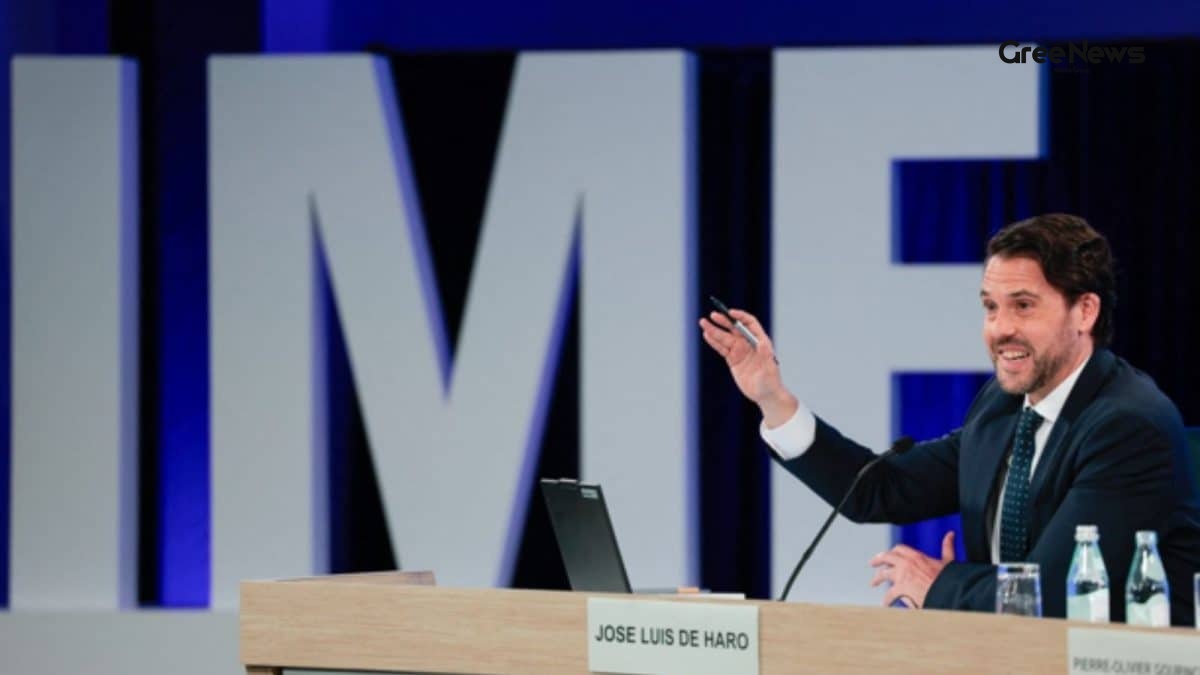
Why I was watching the IMF numbers so closely
Honestly, when I first skimmed through the IMF's World Economic Outlook, I felt a mix of curiosity and a little dread. You know, we Indians love to keep tabs on the latest news India, especially when it comes to global financial bodies that can indirectly affect our own rupee, oil bills, and even the price of a cup of chai. So, I grabbed a cup of chai, opened the report on my laptop, and started reading. What I found was a bit of a surprise.
The report said the global economy would grow by 3.1 percent this year down from the 3.3 percent estimate that was floating around before the war in West Asia kicked off. The drop might not look huge on paper, but the story behind those numbers is what really caught my attention.
War in West Asia and its ripple effect
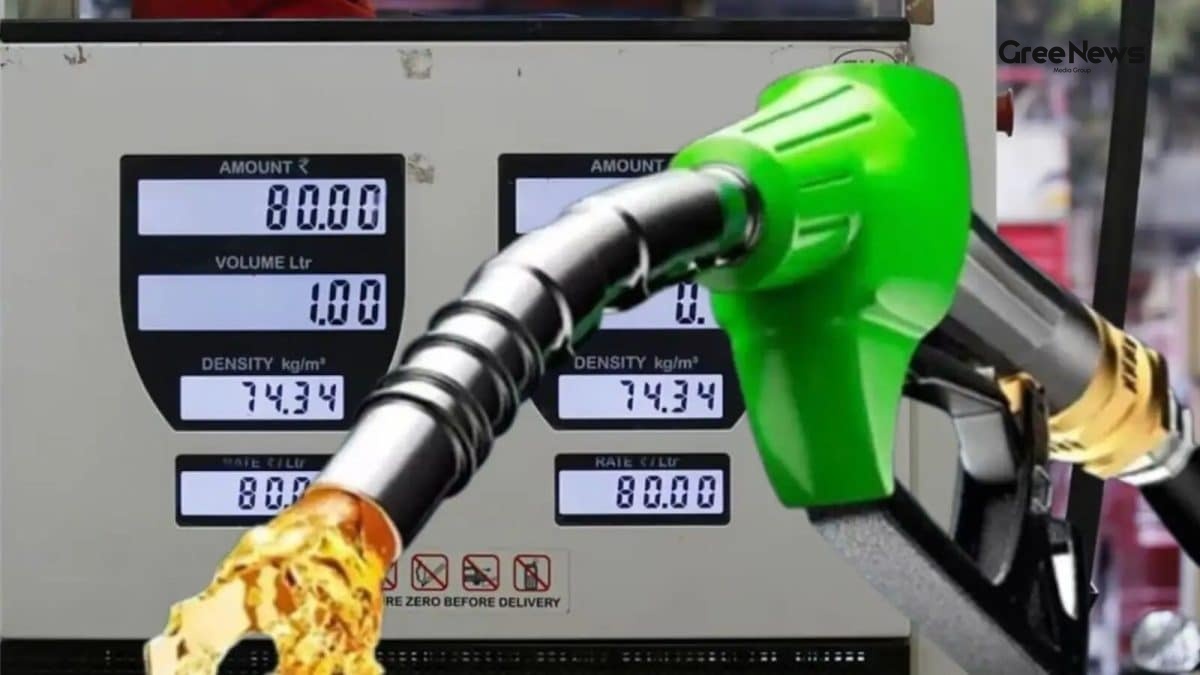
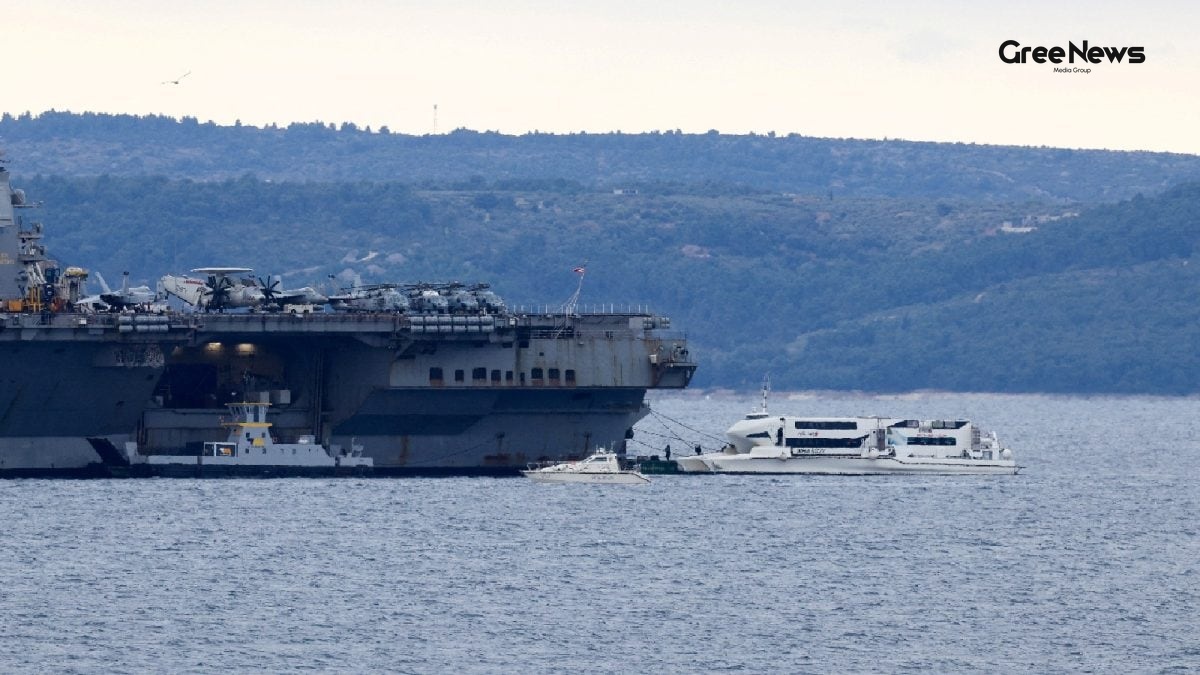
It turns out the conflict has turned the world’s commodity markets upside down. Prices of oil, gas and even fertilizers have surged. Why? Because Iran has basically blocked the Strait of Hormuz a crucial route for oil shipments. On top of that, a naval blockade around Iranian ports was ordered, adding more pressure.
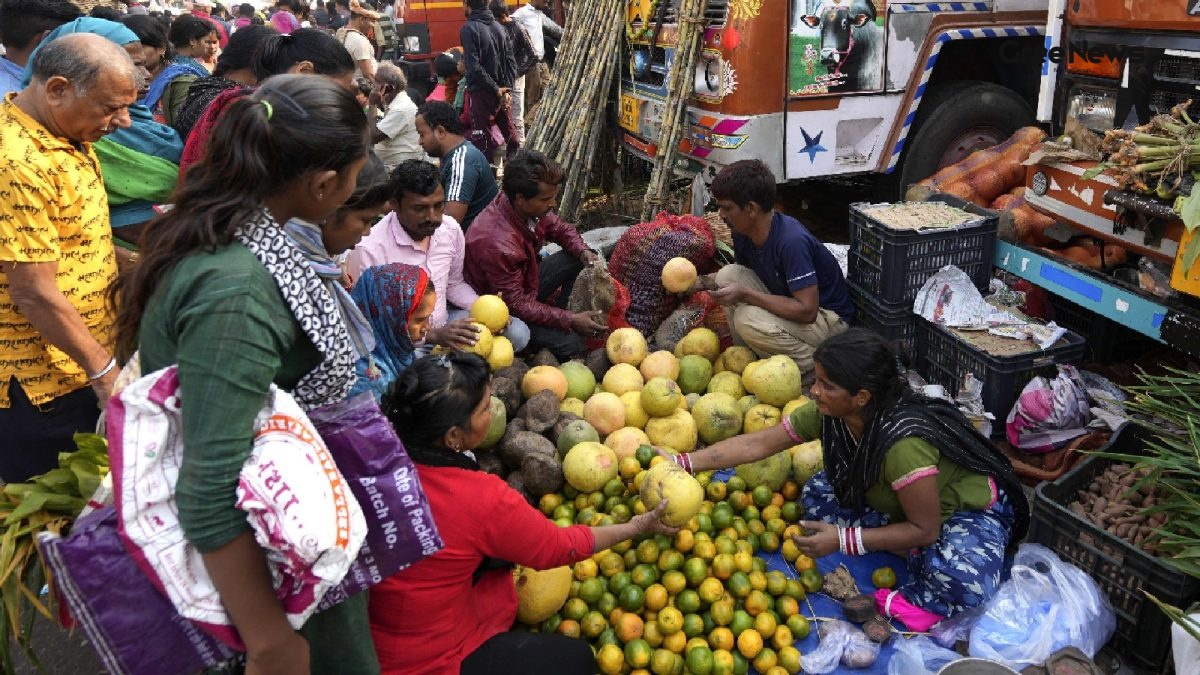
Now, imagine you are a farmer in Madhya Pradesh. The cost of fertilizer goes up, you have to pay more for diesel to run your tractor, and the price of the wheat you sell also edges upward because of higher transportation costs. That is the kind of chain reaction the IMF is warning about.
The fund’s chief economist, Pierre‑Olivier Gourinchas, told AFP that they were planning to upgrade the 2026 growth forecast to 3.4 percent "if not for the war," he said. This tidbit made me think: what happened next is interesting because it shows how a regional conflict can reshape global expectations.
Higher inflation a double‑edged sword
According to the IMF, global inflation is now expected to hit 4.4 percent this year that’s 0.6 percentage points higher than the January outlook. In most cases, higher inflation erodes purchasing power, especially for the lower‑income groups. For an Indian household, this could mean a tighter budget for groceries, which already feel the pinch when fertilizer prices climb.
What’s more, the IMF says the “disinflation path” observed over the past few years should eventually resume, but that assumption hinges on the conflict being short‑lived. If the energy crisis deepens, we could see a scenario where global growth slows to just 2 percent. Since 1980, there have only been four occasions when growth fell to two percent or below the 2008 financial crisis and the COVID‑19 pandemic being two of them.
Many people were surprised by the sharp downgrade, especially because it came less than a year after the United States overhauled its trade policies. The IMF flagged that the shift in the global trade system is still ongoing, adding another layer of uncertainty.
Uneven impact who feels the heat?
While the IMF’s headline numbers look modest, the real story lies in the uneven impact across regions. Emerging market and developing economies could feel almost twice the hit compared to advanced economies. That’s a big deal for many of us following trending news India it signals that the poorest nations might face a steeper climb.
Higher energy and fertilizer costs translate into higher food prices, which hurts low‑income energy importers the most. In the Middle East and Central Asia, growth projections have been slashed by about half, down to 1.9 percent. Saudi Arabia’s outlook fell by 1.4 percentage points, now sitting at 3.1 percent.
Even the United States, which the IMF said is “benefiting from higher energy prices” in the margin, is dealing with higher gasoline prices for its consumers. China’s growth is trimmed to 4.4 percent, a bit below the earlier forecast.
For us in India, this unevenness is a reminder that global shocks do not affect everyone equally. It’s like watching a cricket match where one team gets a sudden rain interruption while the other continues to bat the momentum shifts dramatically.
What the IMF says about inflation expectations
Even though the IMF does not expect inflation expectations to go completely off‑track, there is a concern that they may not be as well‑anchored as before. Past inflation episodes are still fresh in people’s minds, and firms might act to restore margins quicker than they did in the past.
“If that happens, then you can get much more persistent inflation going on, that would be reflected in higher inflation expectations," said Pierre‑Olivier Gourinchas. This could force central banks to step in and raise interest rates, even though the world is already grappling with a negative supply shock.
Think about it: if the Reserve Bank of India (RBI) decides to hike rates to tame inflation, borrowing costs for small businesses and home loans could rise. That’s a scenario that many of us are watching closely, as it directly impacts our monthly expenses.
Implications for India the link to our own growth story
Now, you might be wondering why all this matters to you if you’re reading the IMF report from Delhi or Mumbai. The answer is simple India is a net importer of crude oil and fertilizers. When global prices rise, our import bills swell, which can widen the current‑account deficit and put pressure on the rupee.
Moreover, many Indian exporters rely on stable global demand. If the world’s economy slows down, demand for Indian goods like textiles, pharmaceuticals, and IT services could soften. This is why the IMF’s assessment becomes part of breaking news that feeds into daily India updates.
On the positive side, the IMF still sees the global economy growing at a modest 3.1 percent. That suggests there is still room for India to punch above its weight, especially if we can keep inflation in check and manage our energy imports wisely.
However, the risk of a major energy crisis remains. If oil and gas prices stay high for an extended period, we could see a surge in inflation that might force the RBI to tighten monetary policy sooner than expected. Such a move could slow down credit growth, impacting everything from housing loans to small‑scale enterprises.
What to watch for going forward
From a personal viewpoint, I’m keeping an eye on a few key indicators that could tell us how the story unfolds:
- Oil price trends especially any news about the Strait of Hormuz and whether the blockade eases.
- Fertilizer price movements since they directly affect food inflation, which is a hot topic in daily India updates.
- RBI policy statements any hint of rate hikes would instantly become viral news across the country.
- Global trade developments especially any resolution to the US‑China trade tensions, which could stabilize supply chains.
When any of these points shift, you’ll see a flurry of trending news India, often shared on social media, that gives a quick snapshot of the situation. The IMF’s report may seem like a dense document, but it essentially sets the stage for the next set of headlines we will all be discussing.
Bottom line
In short, the IMF’s downgrade of the 2026 global growth outlook is a clear signal that the war in West Asia is more than a regional issue it’s a catalyst that can reshape the world’s economic landscape. The uneven impact on vulnerable economies and the heightened risk of an energy crisis are the key takeaways. For India, the story translates into higher import costs, potential pressure on inflation, and a need to stay alert to policy changes.
So, the next time you see a headline about breaking news or viral news regarding oil prices, think of it as a piece of a larger puzzle that started with a conflict halfway across the globe. And remember, staying informed is the best way to navigate the uncertainties ahead.