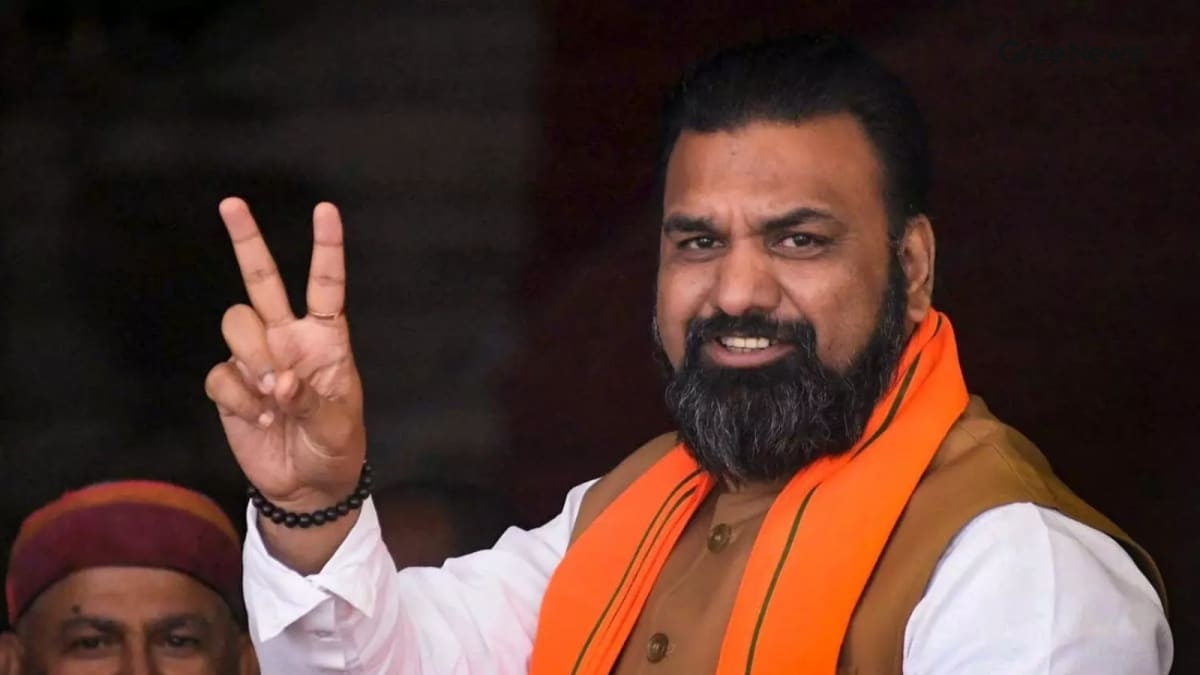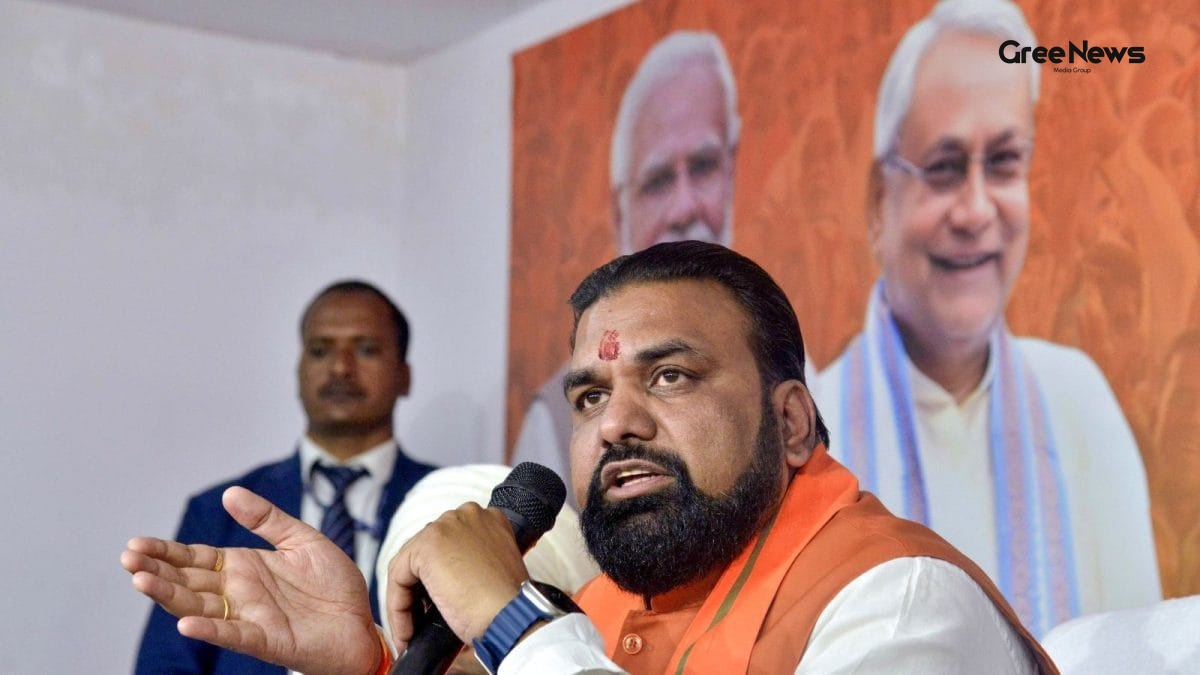
Why Samrat Choudhary’s Swearing‑in Is the Talk of the Town
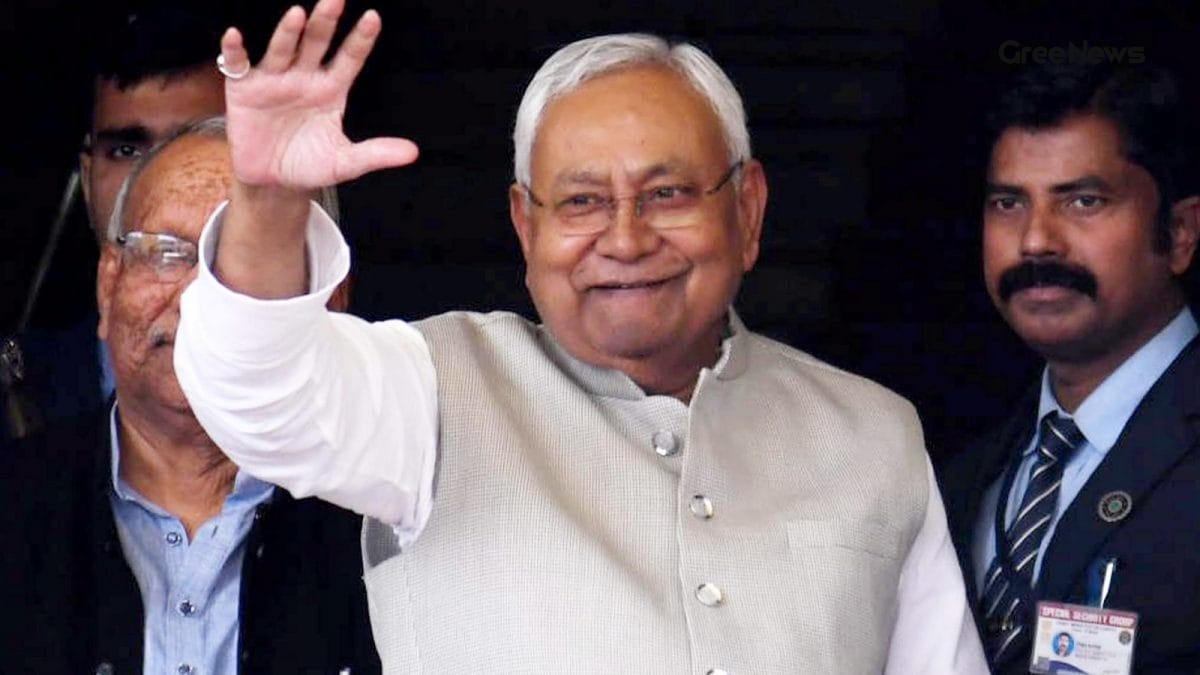
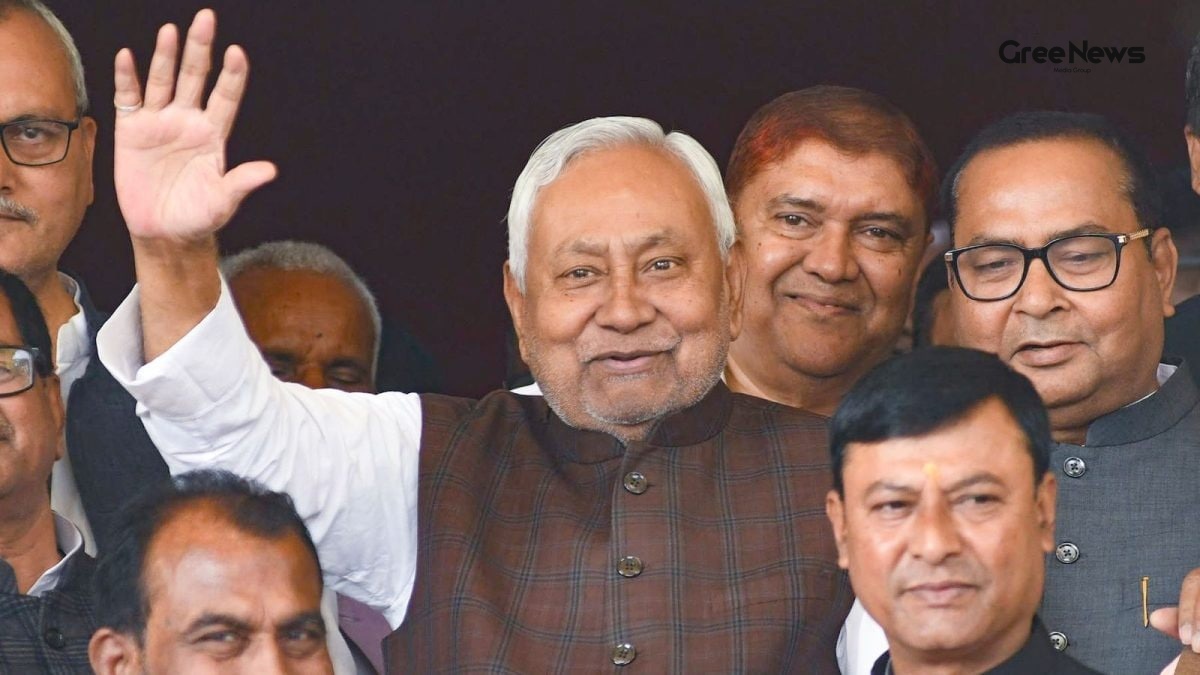
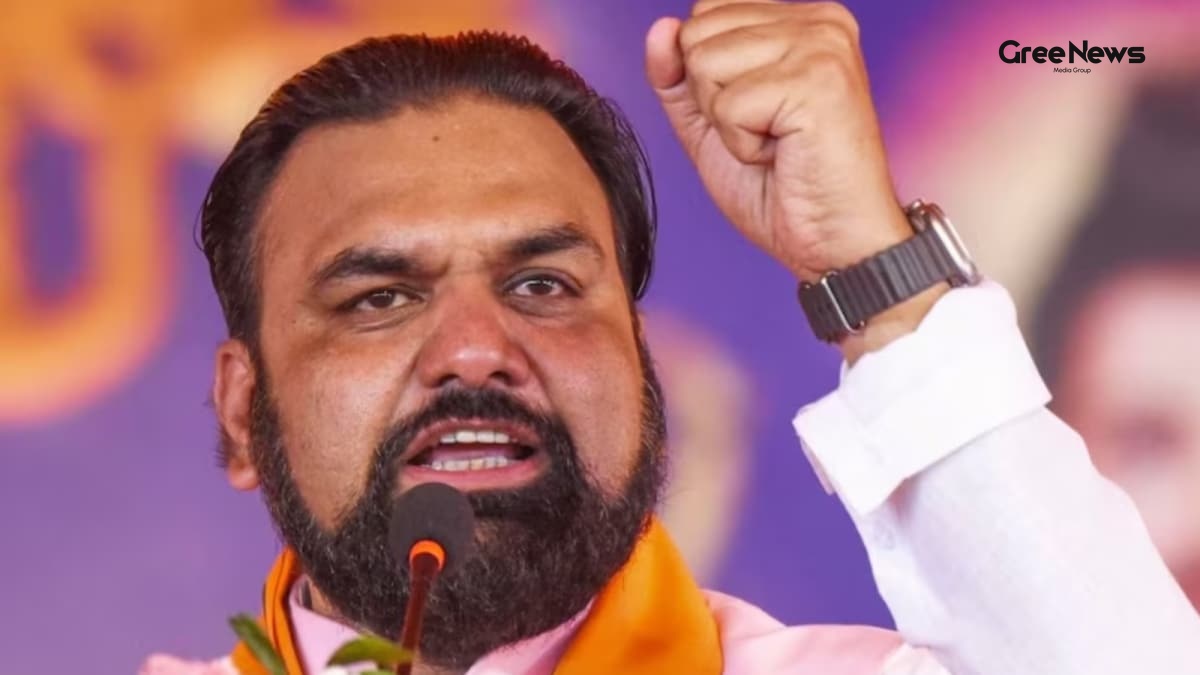
Honestly, when I first heard the breaking news that Samrat Choudhary would be sworn in as Bihar’s 23rd chief minister, I had to do a double‑take. After all, the state has been under the JD(U) banner for what feels like forever, with Nitish Kumar as the face of Bihar politics. Suddenly, the latest news India was shouting about a "first BJP chief minister" a claim that feels almost surreal if you grew up watching the Lalu‑Era rallies.
What makes this moment even more interesting is the way Samrat’s story weaves through the very fabric of Bihar’s caste‑based politics. If you follow trending news India, you’ll notice a pattern: every major shift in the state’s power balance is linked to the OBC vote bank. Samrat, being from the Kushwaha (Koeri) community, became a bridge between the saffron flag and the so‑called "Luv‑Kush" alliance that used to keep JD(U) afloat.
People in my hometown in Patna have been chatting nonstop on the chai stalls about what the new administration will mean for road projects, school upgrades and, of course, the infamous law‑and‑order scenario. The buzz isn’t just political it’s personal, because many families have relatives who work in the state bureaucracy. That’s why this viral news has captured everyone’s attention.
My First Encounter with Samrat Choudhary’s Rise
Let me take you back to the early 2000s. I was a teenager, hanging out on the rooftops of my neighbourhood in Bhagalpur, listening to the radio reports about an "young minister" from the Parbatta constituency. That was Samrat Choudhary, then an agriculture minister in Rabri Devi’s government. Back then, I didn’t know his name; I just remembered the image of a young lad in a crisp shirt addressing farmers about irrigation schemes.
What struck me was how quickly he rose through the ranks by 1999 he was already a cabinet minister, something most of us thought would take decades. It seemed like the political world in Bihar was a fast‑moving train, and Samrat had managed to grab a seat in the front carriage. My neighbour, who owned a small grocery, would always say, "That boy’s got the backing of his father, Shakuni, and the Kushwaha community can’t be ignored."
Those stories stayed with me, especially because I later learned that Samrat was also the chief whip of the opposition in the assembly by 2010. He wasn’t just a token face he was actively challenging the NDA, shouting in the corridors, and that made the political drama feel like a daily soap operatic series.
From RJD Roots to the BJP Flag: The Big Switch
If you ask anyone who follows India updates, the year 2014 is a landmark in Samrat’s career. It’s the year he orchestrated what many political analysts called a "rebellion" inside the RJD. He took 13 MLAs and broke away a move that sent ripples across the state. Imagine a courtroom drama where the protagonist turns into the antagonist. That’s what it felt like for RJD loyalists.
After the split, he didn’t stay an independent player for long. He joined the JD(U) and was given the urban development and housing portfolio in Jitan Ram Manjhi’s cabinet. It was a strategic step a way for him to stay relevant while still keeping his core support base intact.
But the real twist came when he decided to hop onto the saffron boat. Around 2017‑18, Samrat formally entered the BJP. The party’s central leadership saw his value as an OBC connector, especially for the Kushwaha voters who traditionally backed the Lalu‑Yadav camp. I remember my cousin, a party worker in the BJP’s local cell, saying, "Samrat is the missing link that can bring the Luv‑Kush together under the BJP banner."
From there, his rise within the party was almost meteoric. He became the panchayati raj minister after being elected to the Bihar legislative council for a second term in 2020. Then, when Nitish Kumar briefly switched alliances in 2022, Samrat was appointed opposition leader in the council a role that let him sharpen his oratory skills even more.
The Turban Vow: A Symbol That Captured the Public Imagination
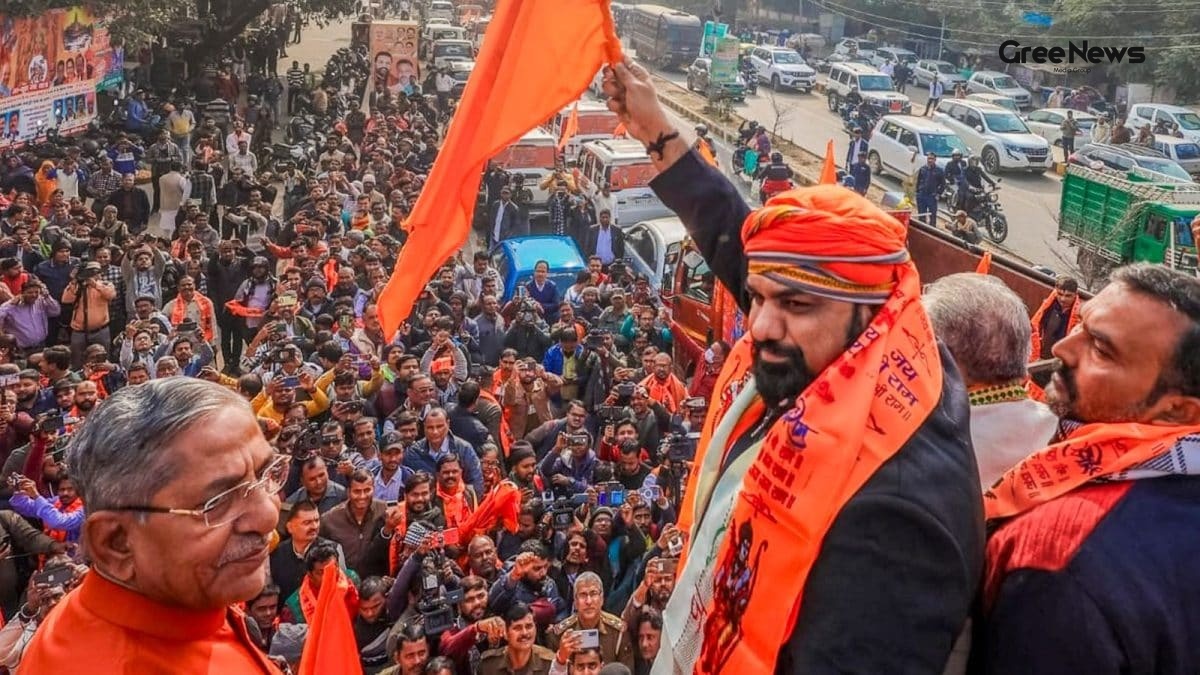
One of those moments that truly went viral in the media was Samrat’s promise to wear a turban until the BJP forms a solo government in Bihar. He made this vow after becoming state BJP president in 2023. If you were scrolling through trending news India, you would have seen countless memes, memes, and YouTube videos dissecting the significance of that piece of headgear.
In the rural heartland, the turban is more than just a fashion statement; it’s a mark of respect, authority, and cultural identity. By promising to keep it on, Samrat was sending a powerful message: he was willing to bear the weight of the party’s ambitions on his own shoulders. It also hinted at his confidence that the coalition era which had kept the BJP from taking the top post in Bihar was finally over.
Friends of mine who work in the transport sector told me they started calling him "the Turbaned Chief" even before the official oath ceremony. That kind of grassroots branding is rare, and it shows how personal the political narrative has become.
What the New Era Means for Bihar’s Everyday People
Now that Samrat Choudhary is about to take the oath, the question on everyone’s lips is: what will change? In most cases, people expect better infrastructure better roads, new schools, and more job opportunities. The BJP’s manifesto promised a "clean Bihar" with a focus on law‑and‑order, which is something that the common man hopes will reduce the crime rates that have plagued certain districts.
On the caste front, the move could reshape the balance of power. Historically, the RJD relied heavily on the Yadav and Muslim vote banks, while the JD(U) secured the Kurmi, Koeri and other OBC groups. Samrat, being a Kushwaha leader, may now pull a significant chunk of that OBC vote directly towards the BJP. If this happens, we could see a new political equation in Bihar where the saffron party is no longer dependent on alliances for a majority.
There’s also a concern among farmers that the new government may push for more industrial projects that could affect agricultural lands. In my village, debates are already happening about whether a new highway plan will bring prosperity or displace small farmers. That’s why the upcoming policies will be scrutinised closely by the rural electorate.
Business owners in Patna are optimistic too. The promise of a stable, single‑party government could attract more investments, especially in the tech and logistics sectors. If the state can finally get a streamlined decision‑making process, the whole Hindi belt might see a spill‑over effect of growth.
Personal Reflections on a Political Journey Spanning Two Decades
Looking back, I realise how much the political landscape in Bihar has changed since the days when I first saw a young Samrat on a TV screen. Back then, the state was synonymous with the Lalu‑Yadav era, characterized by its focus on social justice rhetoric. The shift from that to a "Hindutva‑plus‑OBC" narrative, with Samrat at the forefront, feels like watching a completely different movie.
What impressed me most was Samrat’s ability to reinvent himself. He moved from being a staunch opponent of the NDA in the early 2000s to becoming the party’s OBC champion, and finally to the chief ministerial seat. That kind of adaptability is rare in Indian politics, where leaders often stick to one ideology throughout their careers.
Honestly, the whole saga reminded me of a cricket match where the underdog team changes its batting order midway and ends up winning the final. The unexpected twists kept everyone hooked, and now the whole state is waiting to see how Samrat will play his innings as chief minister.
What Might Happen Next? A Few Thoughts
Now that the oath‑taking ceremony is just around the corner, many political commentators are speculating about Samrat’s first moves. Some say he will immediately launch a "clean Bihar" drive, targeting illegal sand mining and corrupt land deals. Others think he might focus on welfare schemes for the OBC communities, cementing his support base.
One thing is clear: the story of Samrat Choudhary is still being written, and the latest news India is buzzing with anticipation. If you’re following the viral news about the new government, keep an eye on the first few weeks they often set the tone for the entire term.
Whatever the outcome, this transition marks a historic moment for Bihar and the Hindi belt at large. It shows how political fortunes can change when a leader successfully bridges community aspirations with a national party’s agenda. And for those of us who grew up watching his journey, it feels like we’re witnessing the climax of a saga that began decades ago.