How I First Heard About Nitish Kumar’s Resignation
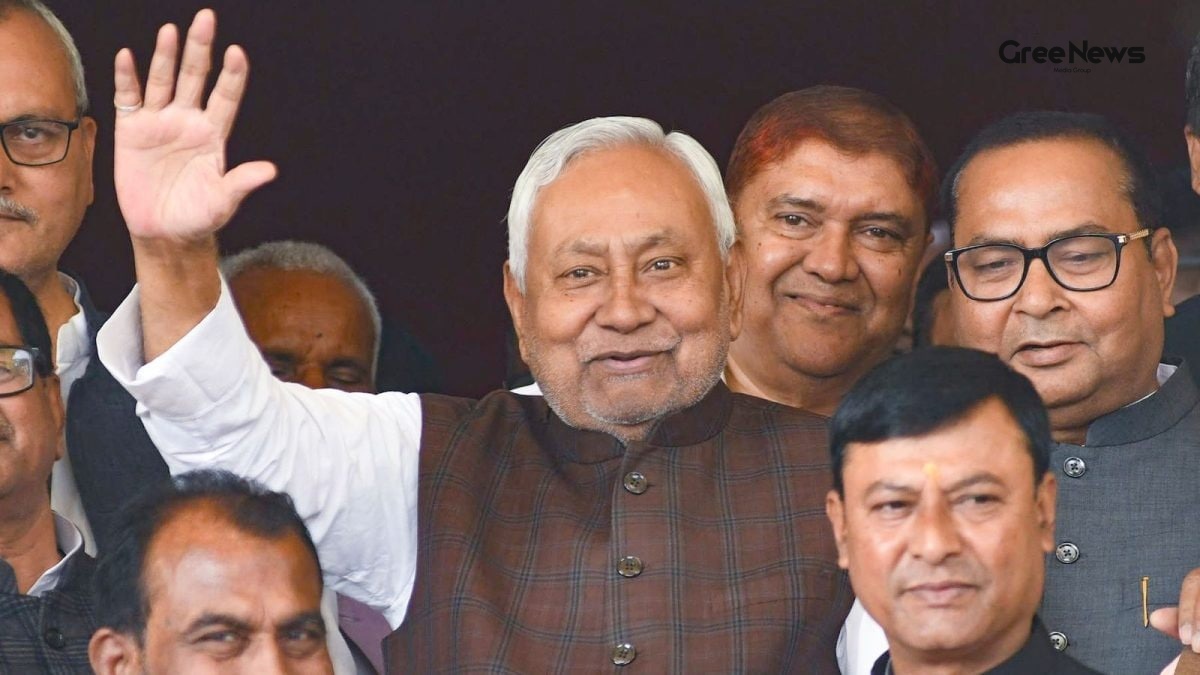
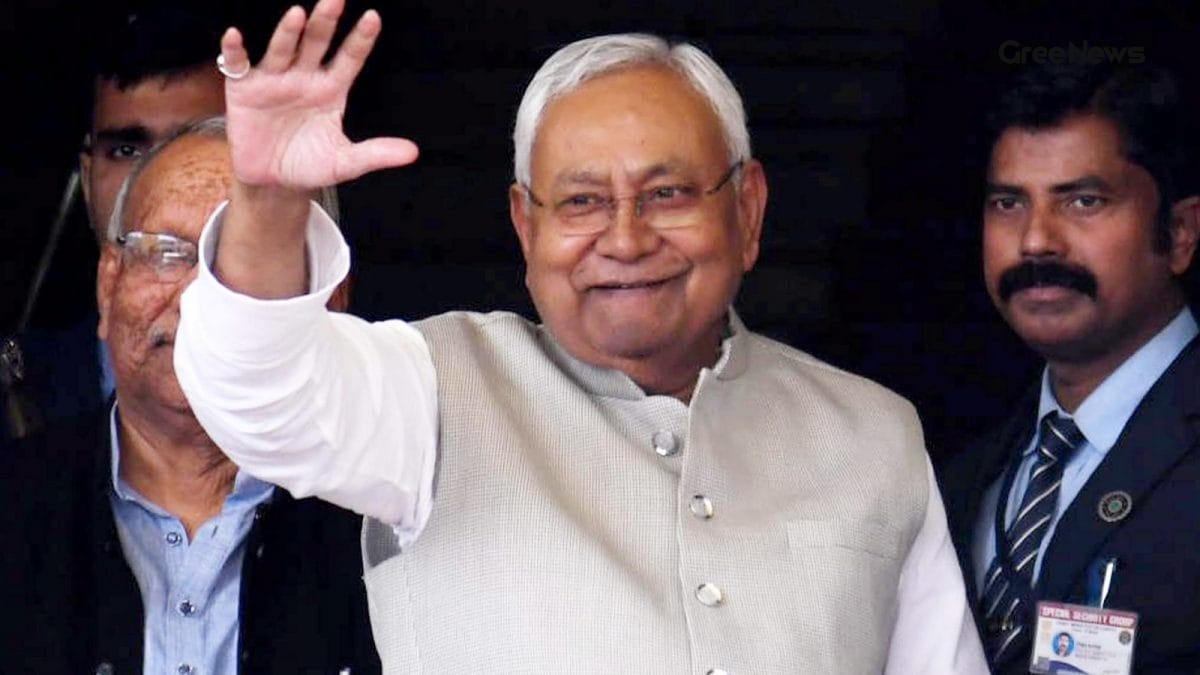
Honestly, I was sipping my tea with a few friends at a roadside dhaba in Patna, scrolling through the latest news India feeds on my phone, when a breaking news alert popped up: “Nitish Kumar resigns as Bihar CM”. At that moment, the whole table went silent. I could see the surprise on everyone's face because for most of us, his name is almost synonymous with Bihar politics. It felt like the entire political landscape had just taken a sudden 180‑deGree turn, and I knew I had to understand what was really happening.
What happened next is interesting. I started digging into the story, watching live telecasts, reading opinion pieces, and chatting with people on WhatsApp groups. The narrative was clear this wasn’t just another routine resignation; it was the end of a chapter that had been written over more than two decades of coalition gymnastics. Suddenly, the term “U‑turn” that we often used in a half‑joking way for his political moves turned into a serious discussion about the future of Bihar.
Why Did Nitish Kumar Step Down? The Real Reason Behind the Decision
In most cases, the catalyst for his resignation boiled down to the growing friction inside the National Democratic Alliance (NDA). After the general elections and ahead of the upcoming state assembly polls, the BJP which had been a junior partner for years started pressing hard for a chief minister from its own ranks. I remember a friend from a small town near Gaya telling me over the phone that the BJP’s demand for a “special category status” for Bihar had hit a wall, and the seat‑sharing talks turned sour.
Sources close to the party hinted that the final straw was a disaGreement over how many seats each alliance partner would contest. The BJP refused to back Kumar’s demand for a special category status, a promise that had become part of his regional identity. It felt like the numbers game had finally tipped against him. As I read more, it became clear that his move to the Rajya Sabha was less about ambition and more about admitting that his bargaining power as the “indispensable junior partner” had evaporated. This was a stark contrast to his previous resignations, which usually preceded a dramatic realignment of alliances.
The ‘Paltu Ram’ Phenomenon and Its Impact on Bihar’s Politics
Now, let’s talk about the infamous ‘Paltu Ram’ label. Since his first stint as chief minister in 2005, Nitish Kumar has switched sides between the BJP and the Rashtriya Janata Dal (RJD) at least five times. Every time he did this, he framed it as a “call of conscience” or a decision “in the best interest of Bihar”. In most of my conversations, people would roll their eyes, saying he was more interested in staying in power than sticking to a consistent ideology.
What’s fascinating and a bit confusing is how these flips affected real life on the ground. When he first came to power, the state witnessed a noticeable improvement in electricity supply, roads, and a crackdown on what many called “Jungle Raj”. Yet, each subsequent coalition shift meant the administration had to pause, re‑align, and sometimes reverse policies. I recall a farmer in Muzaffarpur telling me that his village’s water project stalled each time the government changed, leaving locals frustrated.
Even with all the political gymnastics, Kumar’s tenure did leave significant social footprints. His women’s empowerment schemes, like the cycle distribution programme, and the 2023 caste survey, briefly positioned him as a revivalist of “mandal” politics. But constantly prioritising the chief minister’s chair over a clear, long‑term vision ended up creating a power vacuum that newer regional and national players are eager to fill.
What This Means for the Future of Bihar
Fast forward to today, and the landscape looks quite different. With Nitish Kumar’s resignation, the state is now poised for a direct bipolar showdown: the BJP on one side and an RJD‑led alliance on the other. Many political analysts, whose columns I read daily for trending news India, say that this could finally simplify what has been a very tangled coalition script for years.
For the ordinary citizen, this shift could translate into clearer choices during elections. However, the uncertainty remains high. Will the BJP be able to retain its stronghold, or will the RJD capitalize on the anti‑incumbency sentiment? The answer is still up in the air, and that’s why the story keeps trending on social media people are curious, and the speculation is almost viral news in itself.
Meanwhile, Kumar’s move to the Rajya Sabha might look like a graceful exit, but many suspect it could be a strategic retreat. He may still influence policy behind the scenes, especially when it comes to negotiating special category status for Bihar at the national level. In my family’s weekly political discussions, we often wonder whether his experience will be used as a bargaining chip for the state’s development or just become a footnote in history.
National Implications: Is Nitish Kumar Still a Player on the Big Stage?
On the national front, Nitish Kumar’s stature has undeniably taken a hit. Earlier, many saw him as a potential prime ministerial candidate for the INDIA bloc, a coalition of anti‑Modi parties. But after re‑joining the NDA in early 2024, that hope faded fast. His current role feels more symbolic a respected elder of the “old guard” who now watches from the Rajya Sabha benches.
When I was reading a viral news article last night, it mentioned that his presence in the upper house could still be crucial for certain legislative battles, especially those related to state‑level funding. So, while he may not be the headline‑making figure he once was, his behind‑the‑scenes influence could still shape some important decisions. This subtle shift is exactly why “India updates” often includes a mention of his name, even if he isn’t directly in power.
Personal Reflections on a Political Journey of 20+ Years
Looking back, I feel a mix of admiration and bewilderment. On one hand, Kumar’s ability to survive in the cut‑throat world of Indian coalition politics is nothing short of remarkable. On the other, the constant U‑turns made it hard to predict whether the policies he introduced would stand the test of time. I remember a time when my cousin’s shop in Patna finally got a reliable power supply after one of Kumar’s infrastructure pushes a moment of genuine celebration for many of us.
Yet, each subsequent flip sometimes meant that progress stalled, causing frustration among ordinary people who just wanted stable governance. In most cases, the story of Nitish Kumar is a reminder that political survival often trumps ideological consistency, a lesson that resonates deeply with anyone who has watched Indian politics unfold over the last two decades.
What Might Come Next? Speculations and Hopes
Many people were surprised by the speed of his resignation, and what happened next is interesting the BJP quickly began teasing potential candidates for the chief minister’s post, while the RJD rallied its supporters with renewed vigor. In my neighbourhood, you can see campaign posters popping up on every wall, a clear sign that the battle for Bihar’s future has already begun.
Speculation abounds: will a young, dynamic leader emerge from the BJP’s ranks, or will the RJD bring forward a seasoned veteran to challenge the status quo? Whatever the outcome, the next few months will be crucial for Bihar’s development trajectory and for the national political equation.
As a resident of the Hindi belt, I can’t help but feel that the most stable thing in recent political times might have been the man who never stopped moving. Whether Nitish Kumar’s exit marks a final goodbye or just another pause before a surprise comeback is something only time will reveal, but for now, the story continues to dominate breaking news and keep us all glued to our screens.