Why I was drawn to the KLM boarding denial saga
Honestly, when I first read about the KLM incident in the latest news India, I felt a strange mix of disbelief and curiosity. It’s not every day you hear about a family being turned away from a flight after spending almost half a million rupees on tickets. The whole thing sounded like something out of a drama, but the breaking news confirmed it was real a Karnataka court actually ordered an FIR against senior KLM officials. That alone made me want to dig deeper and understand what rights we, as ordinary Indian travellers, have when an airline says “no boarding”.
So, let me take you through what happened, the legal backdrop, and a few personal anecdotes that might help you if you ever face a similar situation.
The KLM incident what really happened?
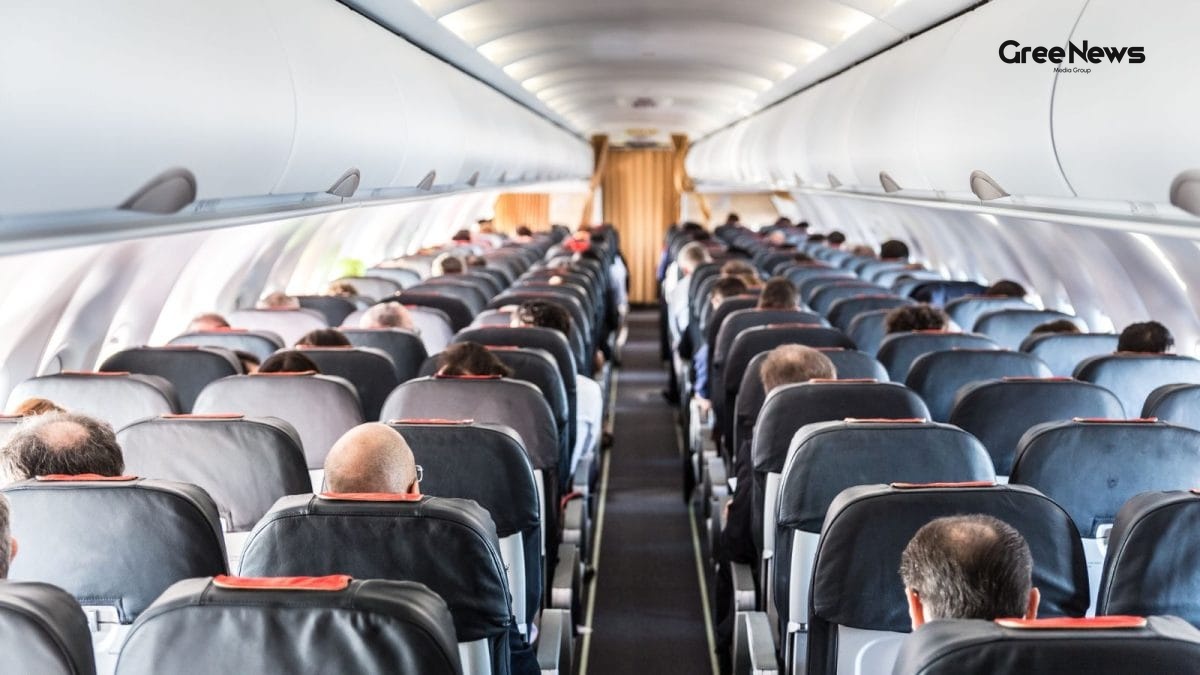
Picture this: a family of eight, fresh from Bengaluru, all set for a vacation in Peru. They booked eight non‑refundable business class seats on KLM, paying close to Rs 49 lakh in total that’s a hefty amount for any Indian household. The tickets were for a round‑trip, with the return scheduled for early July. They arrived at Kempegowda International Airport well before the scheduled departure, checked in, and even cleared the initial security formalities.
However, after waiting at the check‑in counter for several hours, they received the dreaded call: “You cannot board the flight.” The airline staff told them the reason was the lack of a Peruvian visa an issue that, according to the family, they had sorted well in advance. The timing of the denial was brutal just minutes before boarding. The family felt humiliated, and the whole episode quickly became viral news on social media, with many people questioning KLM’s handling of the case.
That’s when the court stepped in, registering an FIR against senior officials of KLM Royal Dutch Airlines. The incident became a staple of trending news India, prompting a broader discussion about passenger rights across the country.
Understanding the DGDA rules are we really entitled to a refund?
Let’s cut to the chase: In India, the Directorate General of Civil Aviation (DGCA) lays down clear guidelines on what happens when a passenger is denied boarding. The crux of the rule boils down to who is at fault. If the airline is responsible think over‑booking, operational glitches, or a sudden aircraft change then, yes, you are usually entitled to a full refund. Moreover, the airline must either re‑book you on the next available flight or provide you with an alternative travel arrangement.
But there’s more. If the re‑booking leads to a considerable delay, the airline is also obliged to provide meals, refreshments, and if needed, hotel accommodation. In many cases, you’ll also receive a monetary compensation, the amount of which varies based on the length of the delay and the distance of the flight. This is where the India updates on passenger rights become crucial, especially for those who travel frequently.
Now, if the denial is because of something you, the passenger, did like not having a visa, missing a document, or arriving late the situation changes. In those scenarios, the airline’s liability is limited. You might still get a refund, but the terms depend heavily on the ticket’s fare rules. For non‑refundable tickets which many business class tickets are you could lose the ticket value entirely, or receive a partial credit for future travel.
That’s exactly what happened in the KLM case. The airline claimed the lack of a Peruvian visa as the reason. Since the visa requirement is a passenger responsibility, the airline argued it wasn’t at fault. However, the family maintained they had secured the visa well before the flight, raising questions about the airline’s verification process.
My own experience with denied boarding a lesson learned
Let me be honest I once faced a tiny version of this nightmare. I was travelling from Delhi to Mumbai during the festive season. The flight was over‑booked, and at the gate, the staff announced they needed volunteers to give up their seats. I raised my hand, hoping for a decent compensation, but the airline offered a voucher that was barely enough for a cab ride to the hotel.
What saved me was knowing my rights. I asked for a written confirmation of the offer, and then I politely declined, opting for a later flight. The airline had to re‑book me on the next available flight, and they also provided a meal voucher because the new flight was more than three hours later. That little knowledge turned a frustrating situation into a manageable one.
So, if you ever find yourself in a spot similar to the KLM family, remember: stay calm, ask for the exact reason in writing, and know the DGCA’s provisions. It can make a huge difference in how the airline reacts.
Step‑by‑step guide: What to do if you’re denied boarding
- Ask for a clear, written explanation. Whether it’s a visa issue, over‑booking, or any other reason, get it in writing. This will be crucial if you decide to file a complaint later.
- Check the ticket fare rules. Look at the terms and conditions you aGreed to while buying the ticket. Non‑refundable tickets have stricter refund policies.
- Know your DGCA rights. If the airline is at fault, you’re entitled to a full refund, re‑booking on an alternative flight, and possibly compensation.
- Negotiate on the spot. If the airline offers a voucher or a different flight, see whether you can get additional benefits such as meal vouchers, lounge access, or even a cash compensation.
- File a complaint with the airline. Use their official grievance portal, keep all receipts, boarding passes, and communication records.
- Approach the DGCA. If the airline’s response is unsatisfactory, you can lodge a complaint with the DGCA through their online portal. Provide all supporting documents.
- Consider legal recourse. In extreme cases, especially where large sums are involved like the Rs 49 lakh KLM case you can approach consumer courts or file a civil suit.
Following these steps can help you protect your hard‑earned money and, most importantly, your peace of mind during travel.
What if you voluntarily give up your seat?
Sometimes airlines ask for volunteers when a flight is over‑booked. If you decide to give up your seat voluntarily, you’re in a stronger bargaining position. You can negotiate for cash compensation, free upgrades, meal vouchers, or even extra miles in the airline’s loyalty program. However, remember that voluntarily giving up your seat does not waive your right to a refund or a re‑booking you still have the option to choose an alternative flight or get your money back, depending on the airline’s policy.
One thing I’ve observed especially on Indian carriers is that the compensation offered to volunteers can be surprisingly generous. On a few occasions, I’ve seen airlines hand out cash amounts that were higher than the standard DGCA compensation for delayed flights. So, if you’re flexible with your travel plans, volunteering can be a win‑win.
Wrapping up the bigger picture for Indian travellers
The KLM denial case has become a part of the trending news India because it shines a light on how airlines handle documentation checks and passenger communication. While the court’s FIR is a strong signal that airlines can’t just brush off passengers’ grievances, it also reminds us that knowing your rights is half the battle.
In most cases, if an airline is at fault, you’ll get a refund, re‑booking, meals, accommodation, and possibly compensation. If the fault lies with the passenger such as missing a visa the airline’s responsibility shrinks, but you’re still not left entirely without options. Always ask for documentation, keep your tickets safe, and don’t hesitate to approach the DGCA or consumer forums.
Next time you’re booking a flight, take a moment to read the fare conditions, double‑check visa requirements, and maybe even keep a digital copy of your passport and visa ready on your phone. It might seem like a hassle now, but when you’re faced with a sudden “no boarding” announcement, those small steps can save you a lot of trouble, money, and drama.
Stay tuned to the latest India updates on airline policies, keep an eye on the breaking news about passenger rights, and share your own stories because every experience adds to our collective knowledge. After all, travelling is as much about the journey as it is about the stories we bring back home.