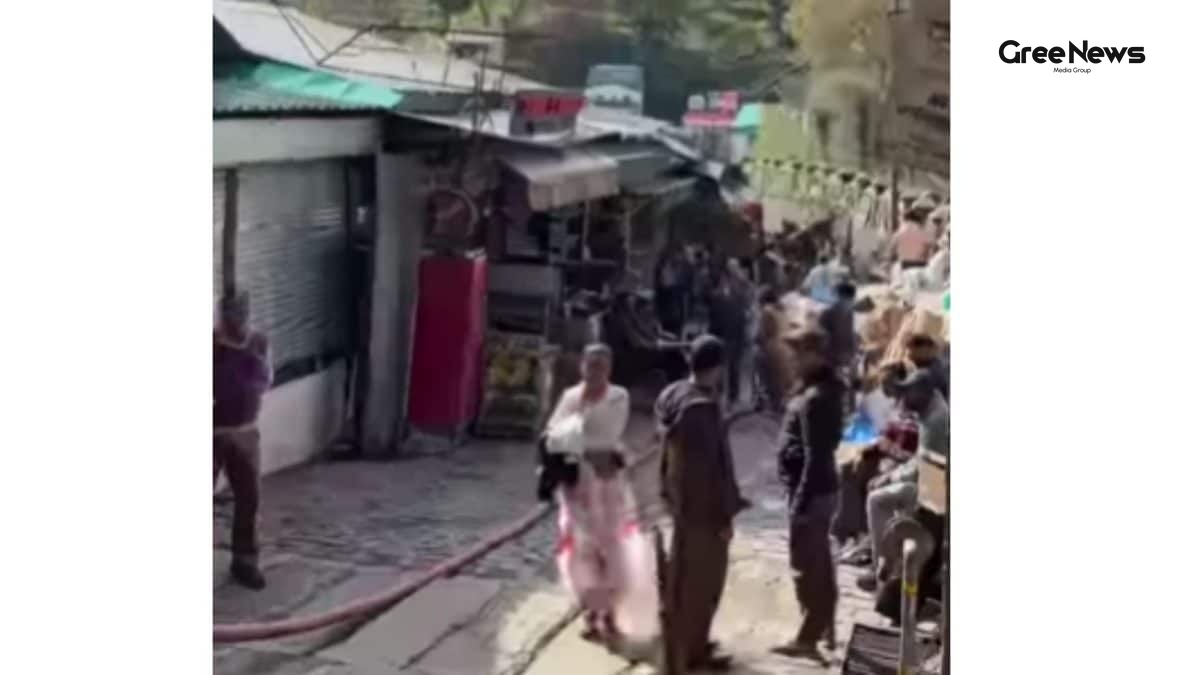
Fire at 100‑year‑old Heritage Market in Kasauli, Himachal Pradesh gutted several shops including iconic Narinder Bun Samosa outlet, no casualties, losses estimated at Rs 3 crore.
Honestly, when I first heard about a fire breaking out in Kasauli’s Heritage Market, my mind went straight to those winding lanes I’d walked through on a chilly weekend last year. I remember the smell of fresh apples from the fruit‑wine stalls and the chatter around the famous bun‑samosa stall. So, when the news hit the breaking news wires, I felt a mix of shock and a strange sort of personal loss as if a piece of my own travel memories had turned to ash.
According to the latest news India, the flames ignited just before sunrise and within minutes the whole market was engulfed. The fire didn’t stay confined to a single shop; it leapt from an eatery to the surrounding stalls, and the explosion of LPG cylinders made the blaze behave like a wild animal. In most cases, such rapid spread is a nightmare for fire‑fighters, and that’s exactly what happened here.
What happened next is interesting the local fire brigade arrived within a short span, battling the inferno for hours. By mid‑morning the flames were finally under control, but the damage was already done. The heritage market, an almost century‑old hub of commerce, was now a smoky skeleton of its former self.
How the Fire Started A Minute‑by‑Minute Account
According to PTI, the first spark was traced back to a small eatery tucked between the baker’s shop and a vintage tea stall. The kitchen, reportedly using an old‑style tandoor, somehow triggered a flare‑up. As soon as the flames caught the dry wooden shutters, the fire jumped to the next shop, and the LPG cylinders stored for the food stalls exploded with a deafening bang.
A resident shared that the sound of the LPG explosions was so loud you could hear it echoing down the narrow lane. In my own experience, I’ve seen similar incidents in crowded bazaars of Delhi where a single mishap can turn into a full‑scale disaster within seconds. This caught people’s attention instantly and a panicky rush started, with locals trying to protect their belongings and extinguish the fire using buckets of water.
Fortunately, no one was injured. The quick reaction of the shop owners, who threw sand and water on the flames before the fire services arrived, helped limit the casualties. Still, the property loss is huge around Rs 3 crore, according to official estimates.
Immediate Response from Authorities and Community
Kasauli sub‑divisional magistrate (SDM) Mahendra Pratap Singh addressed the crowd, saying the fire began in an eatery and spread to adjacent shops, with LPG cylinders intensifying the blaze. He added that the fire was finally tamed around 10:30 am.
Local volunteers, including shopkeepers and nearby residents, formed a human chain to bring water from the canal that runs close to the market. I recall a similar community effort in a small town in Rajasthan where people formed a bucket brigade it’s a testament to how Indians step up when disaster strikes.
Social media also lit up with videos and pictures. A post by Sahil Gandhi (@orophile.sahilgandhi) showed the fire’s raging heart, and the comments were flooded with prayers and suggestions for rebuilding. As the trending news India spread, people from across the country started sharing the story, turning it into a viral news piece that prompted discussions about fire safety in old market complexes.
Impact on Iconic Shops The Loss of Narinder Bun Samosa
Among the burnt down stalls, the most talked‑about was the Narinder Bun Samosa outlet. This shop is not just any snack stall; it’s a landmark that has served generations of locals, tourists, and even celebrities. The famous actor Sanjay Dutt once visited, and the late writer Khushwant Singh praised its simple ‘bun‑sam’ delicacy in his column.
Gunbir Singh Sodhi, a lifelong resident, said, “We have grown up looking at this market and this is unimaginable. The famous Narinder Bun Samosa shop is more of a landmark in this market. It is part of the history here and has been very famous even among celebrities and noted personalities.” He added that the shop’s wooden signboard, which had a hand‑painted logo of a steaming bun, was completely destroyed.
For many, this loss feels like a piece of personal heritage being erased. It reminds me of when my own neighbourhood bakery in Mumbai closed down after a fire the taste, the scent, the memories all vanished in a puff of smoke.
Voices from the Street Residents Share Their Feelings
Local resident Ritu Sharma told reporters that she could still hear the explosions of the LPG cylinders in the early hours. “It was terrifying,” she said. “The whole lane lit up like Diwali, but it wasn’t a celebration it was fear.”
Another shop owner, Amit Verma, who runs a small herbal‑product stall, recalled how his shop’s wooden façade collapsed in a matter of minutes. “We were just trying to protect the family photos hanging on the wall when the fire took over. It’s a painful memory now,” he added.
These personal anecdotes make the story more than just numbers they turn it into a human drama that keeps readers hooked, the very essence of viral news.
Historical Significance of Kasauli’s Heritage Market
Kasauli is a charming cantonment town that feels frozen in time. Accessible within a few hours by road or a short ride on the Shatabdi Express to Kalka, the town is known for its narrow winding lanes, the Gilbert Trail a stone‑paved path perfect for birdwatching and its serene valley views.
The Heritage Market on Mall Road has always been the commercial heart of the town. It offers local fruit wines, traditional sweets, and of course, the iconic bun‑samosa. The market’s architecture reflects colonial‑era designs, with wooden shutters, brass fittings, and antique signboards that have been hand‑painted for generations.
When I visited Kasauli a few years back, I could spend hours just strolling through the market, tasting the fresh apple juice, and listening to shopkeepers narrate stories of the British era. The fire has, in many ways, taken away a slice of living history that connects the present to the past.
What This Means for Kasauli Rebuilding and Safety Measures
After the fire, the local administration announced plans for rebuilding the market with stricter fire‑safety norms. The idea is to preserve the heritage look while integrating modern safety infrastructure like fire‑break walls, updated LPG storage protocols, and fire‑extinguishing systems.
Experts suggest that older markets across hill towns need similar upgrades. The Indian government’s heritage‑conservation schemes could be tapped to fund the restoration without losing the market’s original charm.
For the shop owners, the road to recovery will be long. Some have already started collecting donations via crowdfunding platforms, and a few local NGOs have pledged to help rebuild the wooden facades with traditional craftsmanship.
Many people were surprised by the speed at which the community rallied together. It shows that even in the face of a tragic loss, the spirit of togetherness in Indian towns remains unshaken.
Safety Lessons Why This Fire Became a Trending News Piece
Beyond the emotional impact, the Kasauli fire turned into a trending news story because it highlighted a gap in safety standards for heritage sites. The fact that LPG cylinders were stored in a cramped kitchen area without proper ventilation is a glaring oversight.
For anyone reading the latest news India, this incident serves as a reminder: heritage preservation must go hand‑in‑hand with modern safety practices. Whether it’s a centuries‑old market in Himachal or a bustling bazaar in Delhi, the same principle applies.
Authorities across the country are now being urged to conduct safety audits of similar heritage markets, and a few states have already announced plans for surprise inspections. This ripple effect is a clear sign that the Kasauli story is shaping policy a classic case of how a local tragedy can become a catalyst for nationwide change.
Conclusion Looking Ahead
Seeing the smouldering remains of the Heritage Market was heartbreaking, but it also sparked a wave of solidarity. From the shopkeepers salvaging what they could, to volunteers bringing water, to strangers across India sharing the story as breaking news, the episode paints a vivid picture of resilience.
As Kasauli begins the painstaking process of rebuilding, the hope is that the new market will retain its nostalgic charm while being safer for future generations. The story has already become part of India updates and is likely to stay in the collective memory for years to come.
If you ever get a chance to visit Kasauli again, you’ll probably see a revitalised market, perhaps with a modern fire‑extinguisher discreetly tucked behind a vintage wooden sign. And when you bite into a fresh bun‑samosa, you’ll be tasting not just a snack, but a story of survival, community, and the stubborn will to keep heritage alive.