Aaditya Aanand’s Early‑Morning Routine Turns Into a Traffic Talk
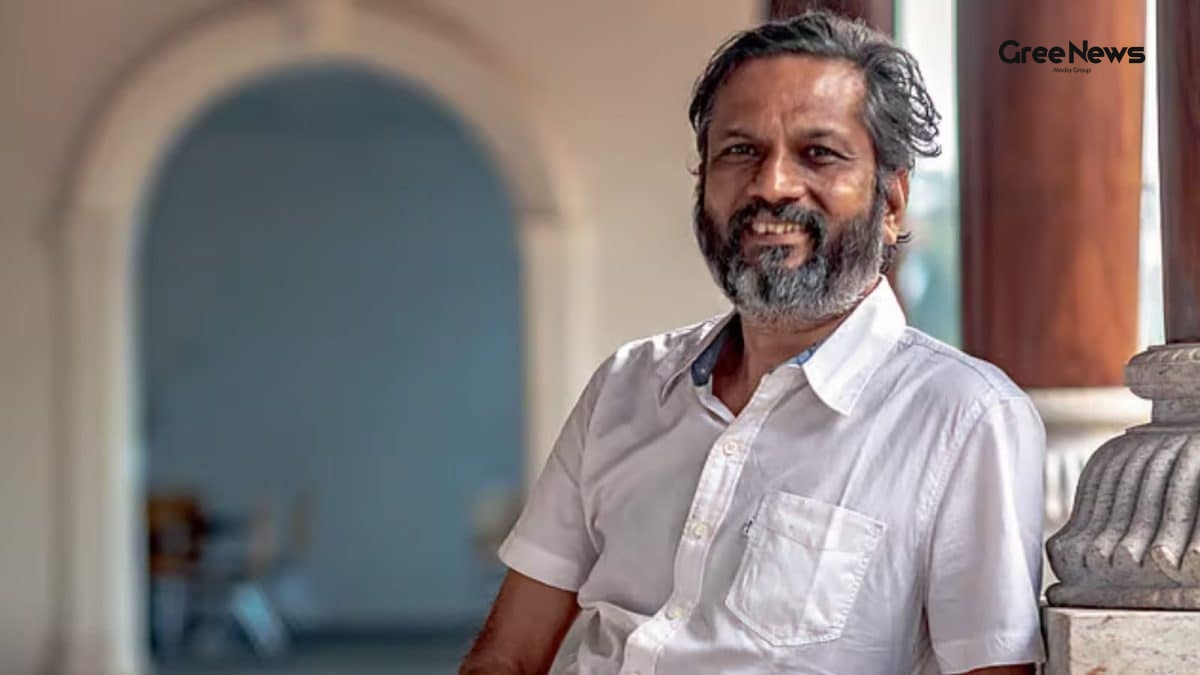
So, imagine this: Aaditya Aanand, the founder of Multibagg AI, wakes up before the sun even thinks about rising. He steps out of his house at 6:40 am, grabs his bag, and heads for a badminton court that’s just about five kilometres away. In a perfect world, the drive would be a breezy ten‑minute ride, right? But as soon as you start looking at the latest news India feeds, you realise that the reality is far messier.
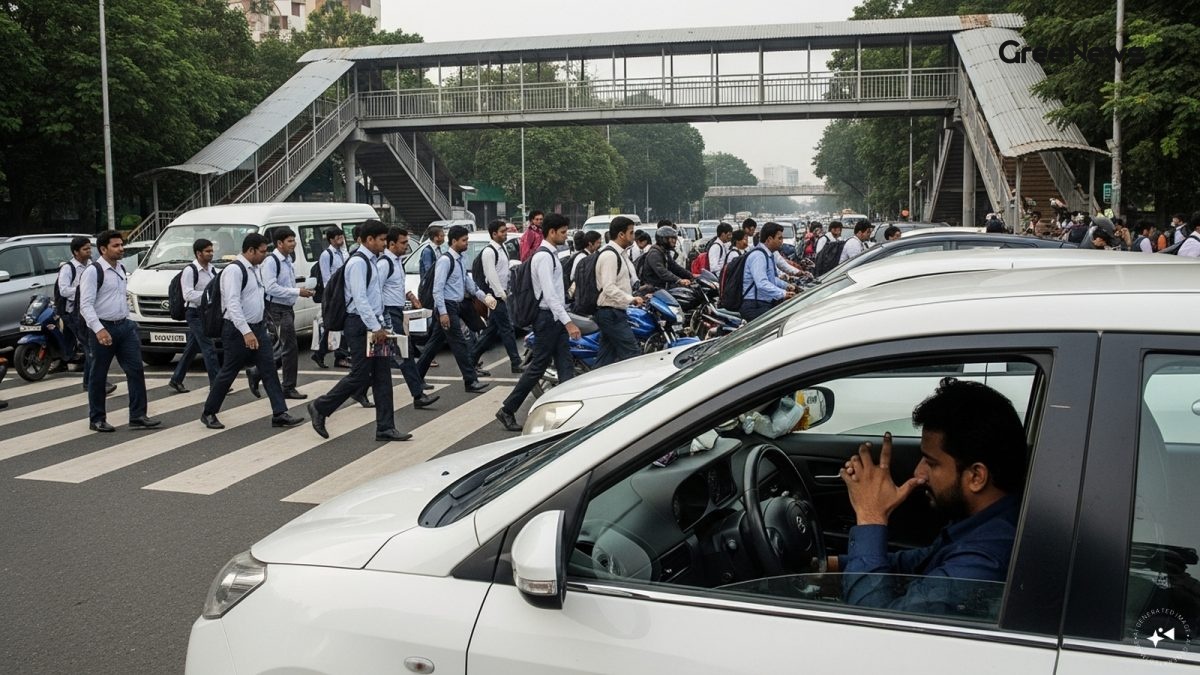
Aaditya Aanand says that by 6:50 am, traffic already begins to build up on HAL Old Airport Road. The reason? A crowd of employees from the HAL office who, according to Aaditya Aanand, cross the road from the left side to the right side (or the other way round it’s a bit of an assumption, but the gist is clear). This crossing, Aaditya Aanand notes, creates a bottleneck that quickly turns into what many would call a jam.
Now, you might be thinking, “What’s the big deal? Everyone gets stuck sometimes.” But here’s the twist Aaditya Aanand points out that there’s a foot overbridge just a few metres away, yet people keep walking right across the road. That, he argues, is where the real problem lies.
Why the Foot Overbridge Doesn’t Solve Anything According to Aaditya Aanand
According to Aaditya Aanand, the foot overbridge should be the obvious solution. It’s there, it’s safe, it’s meant for pedestrians. Yet, as Aaditya Aanand writes, “Hundreds of HAL employees ignore it every morning and just cross the road at ground level.” This, Aaditya Aanand believes, is the irony that fuels the daily congestion.
To make it more relatable, think of the mornings you travel on the Mumbai local, and you see commuters shoving into cramped coaches because the foot overbridge at a station is too steep or lacks a lift. In most cases, people choose the path of least resistance, even if it means taking a risk. That’s exactly what Aaditya Aanand is seeing on HAL Old Airport Road.
What happened next is interesting the post went viral, becoming a piece of breaking news that sparked debates on LinkedIn, Twitter, and even in the local chai stalls. Some folks started typing furiously: “Why would educated folks ignore a bridge? Are they in a hurry?” Others countered with a simple, “The bridge is not user‑friendly.”
Voices from the Crowd The Social Media Firestorm
The reactions were nothing short of a digital carnival. One user called the foot overbridge “one of the dumbest ideas,” asking why anyone would be expected to climb stairs and walk 60 % more just for the convenience of motorists. Another chimed in, “You can live anywhere in India, the story is the same leave ten minutes earlier, dude, you’re in a metro, not a village.”
There were also thoughtful comments about accessibility. A user wrote, “Unless there are lifts or escalators, it’s unfair to expect people to use a foot overbridge every day. If the infrastructure isn’t designed for ease, the system is to blame, not the pedestrians.” That line perfectly captures the heart of the debate is the blame really on the foot traffic, or on a city that still thinks in terms of cars?
One comment summed it up succinctly: “Pedestrian bridges are car infrastructure, not pedestrian infrastructure.” This observation became a trending tag in many posts, adding a layer of nuance to the viral news spread.
Real‑Life Examples from Bengaluru’s Streets
Let’s bring in a few everyday scenes you might recognise. Ever been stuck at the Brigade Road crossing during a rainstorm? You’ll see umbrellas, impatient drivers, and a few people daring to cross the road despite a soaring footbridge that looks like a mountain. In most cases, the footbridge has no ramp, no lift, and very steep stairs, making it a tough climb for anyone carrying groceries or a stroller. Those very same factors are at play on HAL Old Airport Road, where people juggling briefcases and kids might simply decide to jay‑walk.
Another example is the busy junction near Domlur Flyover. Even with multiple pedestrian overpasses, commuters often cross the road because the overpasses are congested, under‑lit, or simply far from the natural walking path. When you compare these scenarios with Aaditya Aanand’s observation, a pattern emerges the infrastructure often ignores the lived reality of pedestrians.
One local who works at a nearby tech park mentioned, “We have a security guard on the foot overbridge, but our head office is a thirty‑second walk away from the road. Most of us just dash across. It’s quicker.” That’s the sort of practical reasoning that fuels the daily chaos.
Broader Urban Planning Insights Are Our Cities Built for Cars?
When you zoom out and look at the bigger picture, the debate around Aaditya Aanand’s post mirrors a national conversation. Cities across India, from Delhi to Hyderabad, are packed with foot overbridges that are either poorly maintained or simply not user‑friendly. In most cases, these structures were added as an afterthought, not as part of a holistic pedestrian‑first plan.
Many urban planners argue that the problem is systemic. They say, “Unless the foot overbridge includes lifts, escalators, or at the very least, gentle ramps, it will never see widespread use.” That sentiment aligns perfectly with the comment that “the city is built for cars, not people.” The reality is, vehicles dominate the road space, while pedestrians are forced to navigate the gaps.
In most cases, if you look at traffic management plans released by the Bruhat Bengaluru Mahanagara Palike (BBMP), you’ll see a heavy emphasis on widening roads, adding flyovers, and improving signal timings. Little attention is paid to making walking a comfortable experience. This creates a vicious cycle poor pedestrian amenities push people onto the road, which then causes traffic snarls, leading to more blame being thrown at the very pedestrians who are simply trying to get to work.
What’s more, the conversation around Aaditya Aanand’s post has become part of the trending news India narrative on social platforms, sparking memes, cartoon sketches, and even a few editorial pieces in major newspapers. The story has become a case study for how a single LinkedIn post can trigger a nation‑wide discussion about city design.
What the Average Commuter Says A Mixed Bag
One person shared, “My son trains at the HAL ground, so I know exactly what Aaditya Aanand means. Yes, the traffic is slower at that hour, but it’s manageable. The HAL police control the flow, and it’s more of a slow‑down than chaos.” This comment adds another layer the presence of traffic police can mitigate the situation, but it doesn’t solve the root cause.
Another user wrote, “If you live in a metro, you have to adapt. Leave early, plan your route, and accept that a few minutes of delay are part of city life.” While practical, this viewpoint also sidesteps the fundamental question of whether the system should force commuters to make such compromises.
In most cases, the discussion ends with a sort of “aGree to disaGree” note, but the underlying sentiment remains: the city’s design decisions have a real impact on everyday lives, and the blame game rarely resolves anything.
Final Thoughts Who’s Really at Fault?
So, where does Aaditya Aanand’s narrative leave us? The post certainly put a spotlight on an everyday issue, turning it into a piece of viral news that many Indians are talking about. It also forced a reflection on how Bengaluru, and indeed many Indian metros, handle pedestrian movement.
While some argue that pedestrians should simply use the foot overbridge, others remind us that a bridge without lifts or ramps is hardly a solution. The truth probably sits somewhere in the middle a combination of better infrastructure, smarter traffic management, and perhaps a bit more patience from everyone involved.
What happened next is that the conversation kept bubbling, appearing in daily news feeds, echoing across different platforms, and becoming part of the larger India updates discourse. For those of us who navigate Bengaluru’s streets daily, it’s a reminder that every little piece of urban design from a stair‑laden foot overbridge to timing of traffic signals can affect the rhythm of our lives.
In the end, whether you side with Aaditya Aanand or the commenters, the story teaches a simple lesson: cities grow when we talk about them, question them, and demand better. And maybe, just maybe, the next foot overbridge will have a lift, making it easier for everyone without the blame‑game.