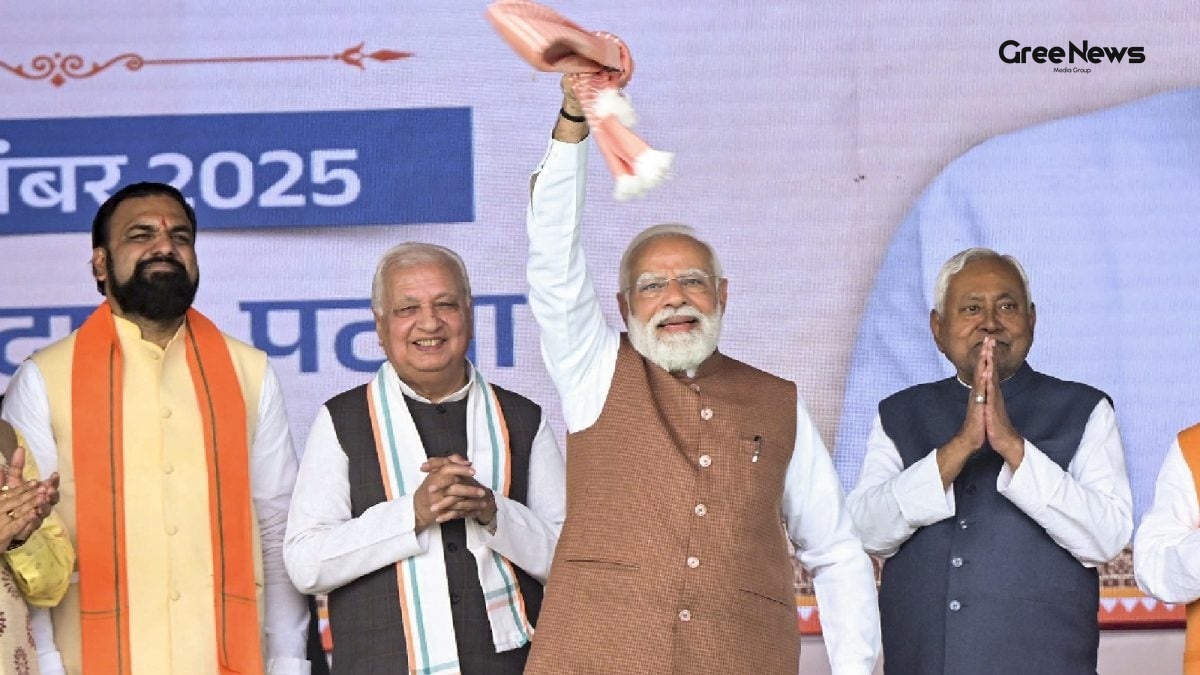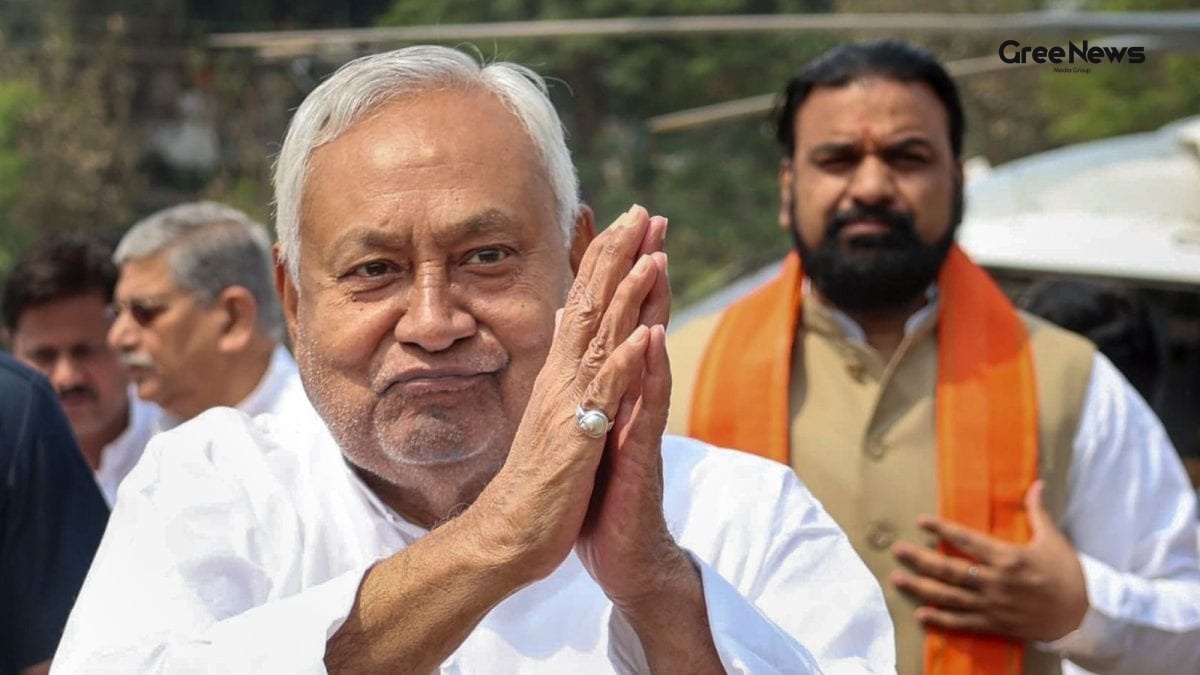
Nitish Kumar's exit paves way for the BJP to appoint its first-ever Chief Minister in Bihar, a state where it has previously only served as a junior partner or in coalition
So, the big news across the country right now is that Nitish Kumar has stepped down from the Chief Minister’s seat in Bihar. This move ends a historic, almost two‑decade‑long era in the state's politics. Honestly, when I first heard about it, I thought it was just another rumor, but the latest news India confirmed it was real. He has been the CM for a record ten terms since 2005, and now he’s moving to the Rajya Sabha, taking his experience to the national stage.
What happened next is interesting the BJP, which has always been the junior partner in Bihar’s coalition, finally has a chance to appoint its own chief minister. That’s a huge shift, and you can feel the buzz all over social media, with viral news clips of people reacting in their living rooms, tea stalls, and even on the metro rides.
Why did Nitish Kumar resign?
Kumar was recently elected to the Rajya Sabha, and the Indian Constitution doesn’t allow a person to hold a seat in both a state legislature and Parliament at the same time. So, he had to give up his position in the Bihar Legislative Council and, consequently, his CM post. He was sworn in as a Member of Parliament shortly after the election, and now he’s moving from his official residence at 1, Anne Marg to 7, Circular Road. In most cases, politicians make such moves to have a bigger platform, and that’s exactly what Kumar is aiming for.
Many people were surprised by this quick transition because he had just led a massive victory in the recent assembly polls, and yet he chose to step down. It shows how political calculations can change overnight a typical trait in Indian politics, right?
What Nitish Kumar’s exit means
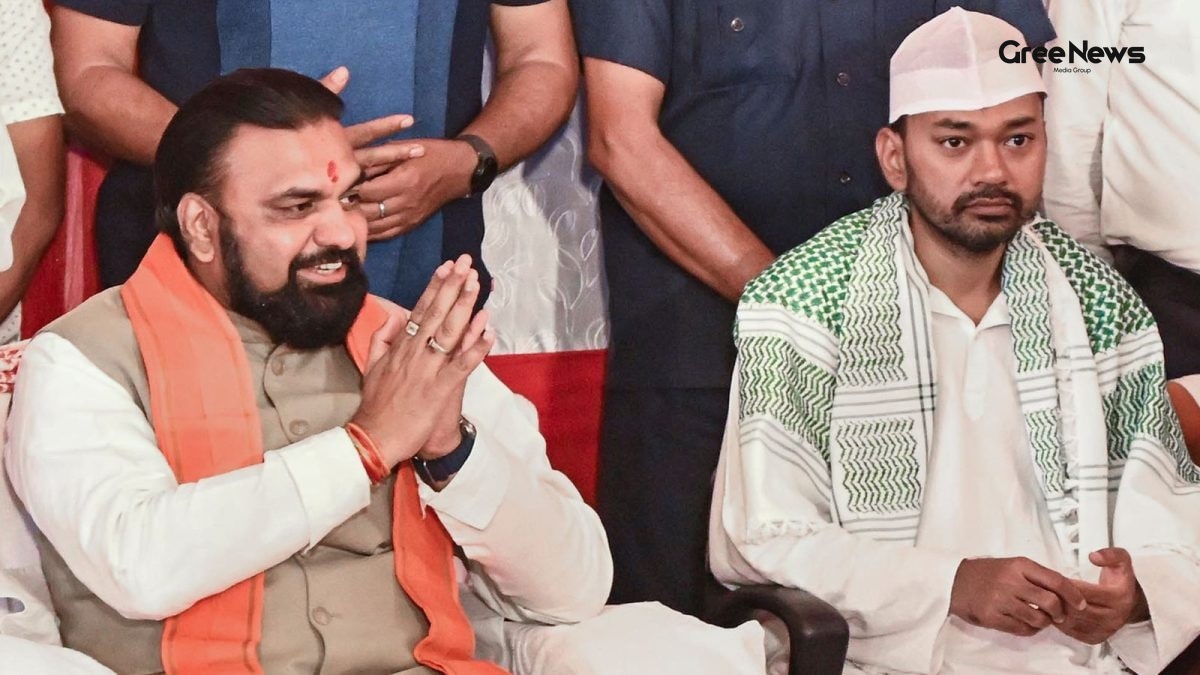
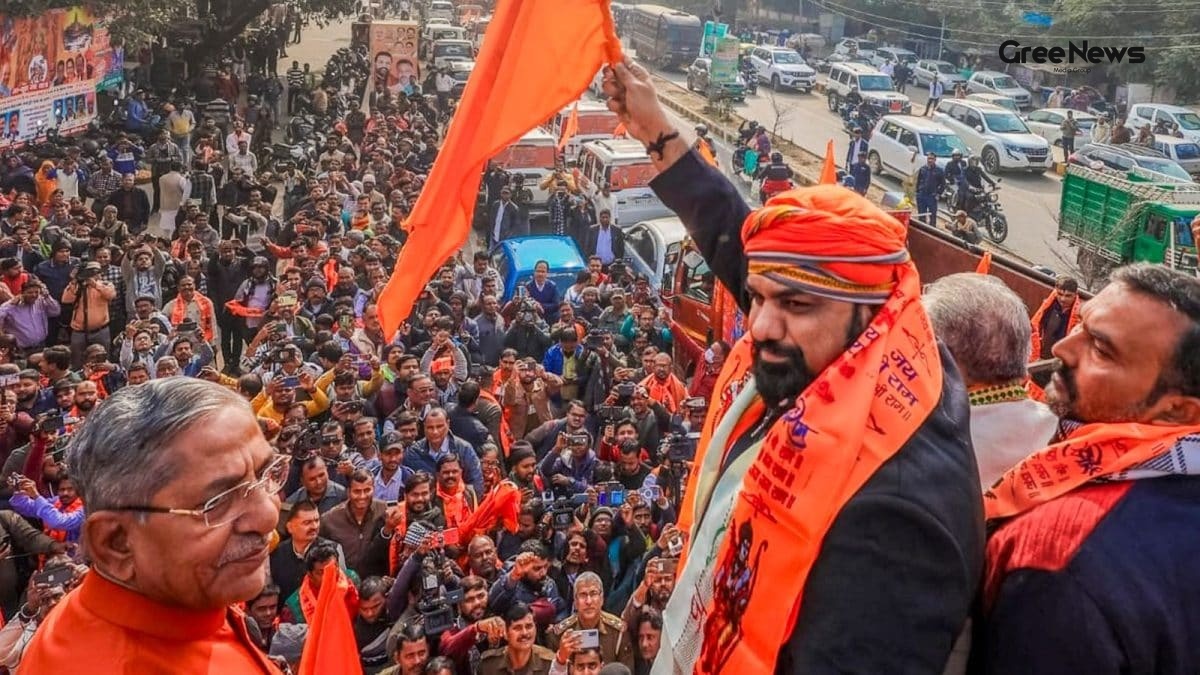
Let me tell you, Nitish Kumar has been the defining figure of Bihar’s political landscape for nearly 20 years. His departure is being called a “consequential shift” by many analysts. Basically, the BJP now has a clear path to appoint its first chief minister in the state. Deputy CM Samrat Choudhary is currently the name on everyone’s lips as the frontrunner to succeed him. If you ask any political junkie in Delhi or Kolkata, they’ll say this could change the balance of power in the whole north‑east region.
People are also talking about his knack for “social engineering” the way he used caste equations and development schemes to win votes. Remember the cycle scheme for schoolgirls? That was a massive hit and still gets quoted in media as a benchmark for women’s empowerment. His tenure also saw big infrastructure projects roads, bridges, and even the push for better internet connectivity in rural areas.
This caught people’s attention because it’s not just about a single leader stepping down; it’s about a whole new chapter for Bihar, and possibly for the BJP’s strategy across other states too.
Nitish Kumar’s political journey
Now, if you look back at his story, it’s a roller‑coaster that started in the 1970s during the socialist movements. He was a student leader in Jayaprakash Narayan’s ‘Total Revolution’, and even spent some time behind bars under MISA during the Emergency. That experience, I think, shaped his no‑nonsense approach to politics.
After a few setbacks, he got his first win in the Bihar Legislative Assembly from Harnaut in the mid‑80s. Fast forward a bit, he entered national politics in 1989, winning the Barh Lok Sabha seat. He even served in the Union Cabinet under V.P. Singh and later Atal Bihari Vajpayee, handling portfolios like Railways, Agriculture, and Surface Transport. Those days he introduced internet booking for trains and the famous “tatkal” scheme remember the excitement when you could finally book a ticket online? It was a game‑changer.
All this background explains why his exit feels like the end of an era and also why everyone is waiting to see what he does next from the Rajya Sabha.
Kumar as the CM
Back in 2000, Kumar had a very brief stint as CM just seven days because the assembly was hung. He resigned and went back to being an opposition leader. But the real comeback happened in 2005 when he teamed up with the BJP. That alliance focused on law and order, rebuilding infrastructure, and empowering women most notably through the bicycle scheme for schoolgirls which earned him the nickname ‘Sushashan Babu’ (Good Governance Man). That nickname still pops up in memes and trending news India on social platforms.
His governance style was often described as simple yet effective, and he managed to bring a sense of stability after years of instability. In most households in Bihar, people still talk about how the night markets felt safer after his first term.
The shifts in alliance
From 2013 onward, Kumar became known for his frequent alliance shifts what many call “U‑turns” or the nickname “Paltu Ram”. He broke away from the BJP over concerns about Narendra Modi’s elevation, then formed the Mahagathbandhan with RJD in 2015, only to return to the NDA in 2017. Between 2022 and 2024, he again switched from the NDA to the Mahagathbandhan, joined the INDIA bloc, and then moved back to the NDA. It’s like watching a cricket match where the bowler keeps changing his style you never know what’s coming next.
This pattern of shifting alliances has been a hallmark of his political career and explains why many political observers consider him a master of “political chess”. The constant realignments kept him relevant, but also made his supporters wonder where his true loyalties lay.
Eventually, he led the NDA to a big win in the recent assembly elections, taking oath for a record‑tenth time. That was a testament to his staying power, even after so many changes.
What next for Bihar?
The BJP‑led National Democratic Alliance (NDA) will soon hold a legislative meeting to formally elect a new leader. Rumour has it that the new chief minister and the cabinet could take oath as early as tomorrow. If that happens, we might see a fresh set of policies focused on digital governance, agricultural reforms, and perhaps a new take on the cycle scheme maybe even electric cycles for schoolgirls!
As a Rajya Sabha MP, Nitish Kumar is expected to guide the new state government from a national perspective while also focusing on broader issues like climate change, infrastructure financing, and education reforms. Many people are curious about how his experience will influence policies at the centre, especially now that he’s part of the upper house.
In many ways, this whole saga feels like a real‑life political drama a mix of power, strategy, and the occasional surprise. The breaking news across the nation is full of analysis, and the conversation is still ongoing on news channels, WhatsApp groups, and on the streets. Whatever the next steps are, one thing is clear: Bihar’s political map has changed, and the ripple effects will be felt across the country.