How I stumbled onto the story
Honestly, I was sipping my regular chai in the kitchen, scrolling through my phone for some trending news India, when a headline caught my eye – ‘Meloni calls Trump’s swipe at the Pope unacceptable.’ It felt like the kind of breaking news that you just can’t ignore, especially because it mixes politics, religion and a pinch of drama that even our cricket commentary can’t match. I clicked, and the story unfolded like a soap opera, but with real‑world stakes.
What happened next is interesting: I realised that this wasn’t just another political spat. It had the potential to affect Italy‑US ties, and many people were surprised by how quickly the Italian prime minister, who’s usually a staunch ally of President Trump, turned the tables. As an Indian who follows both European and American politics, I felt the urge to break it down for my friends, because this story is spreading fast on WhatsApp groups and becoming a piece of viral news in its own right.
Meloni’s unexpected rebuke
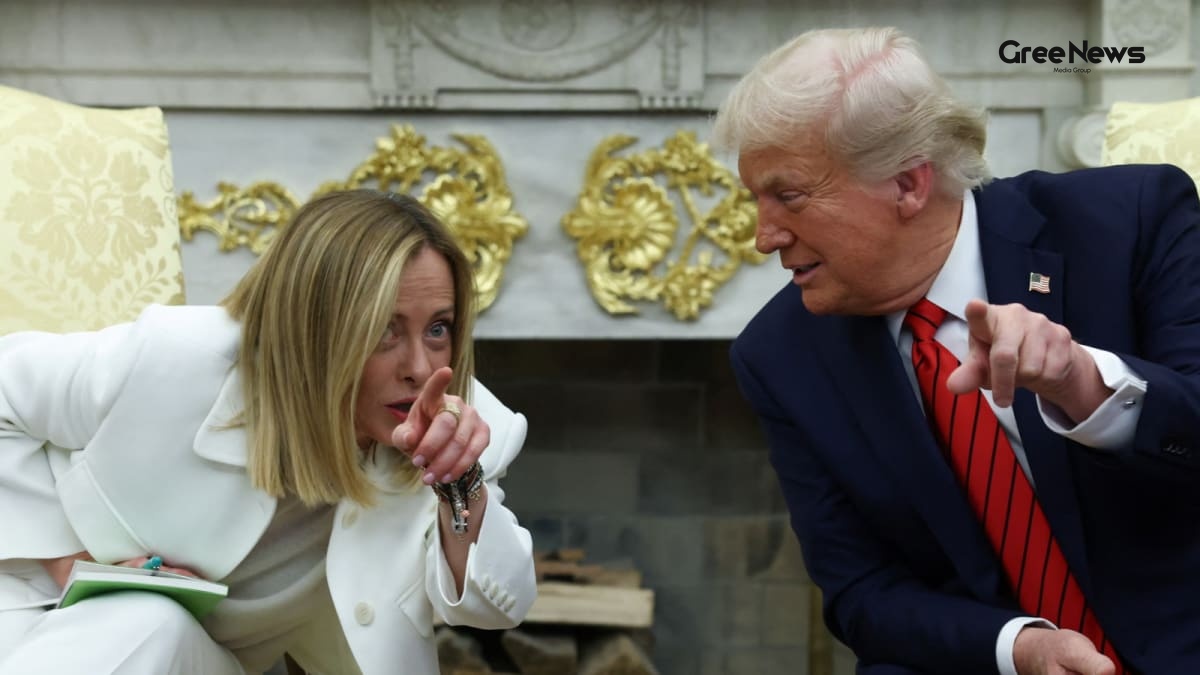
Italian Prime Minister Giorgia Meloni, known for her close relationship with the United States, had to make a public statement that most didn’t see coming. At first, Meloni tried to keep the peace – she said she supported the Pope’s peace calls without directly attacking Trump. But as pressure built up from opposition parties and the public, she clarified later that day, "I find President Trump’s words towards the Holy Father unacceptable. The Pope is the head of the Catholic Church, and it is right and normal for him to call for peace and to condemn every form of war."
In most cases, leaders try to dodge direct criticism, but Meloni’s tone was firm, almost personal. She walked onto the podium, and you could see that she was not just defending a religious figure – she was also protecting a part of Italy’s identity that many Italians hold dear. Many Italians, especially those in small towns where the church is the center of community life, felt the same way. This caught people’s attention because it showed that even a strong political ally can draw a line when it comes to religion.
Trump’s tirade on Truth Social
Now, let’s talk about what set this off. President Donald Trump took to his Truth Social platform and launched a sharp attack on Pope Leo XIV. He called the Pope "terrible" and accused him of being "weak on crime" and "terrible for foreign policy." He even went as far as saying, "I don’t want a Pope who thinks it’s OK for Iran to have a nuclear weapon," even though the Pope never made such a statement. Trump added that he was proud of his record on crime reduction and the stock market, positioning the Pope’s peace message as a direct challenge to his administration’s achievements.
This post quickly turned into breaking news India style – it spread across platforms, sparked debates in Indian coffee shops, and made its way onto TV talk shows. The language Trump used was personal, a stark contrast to the usual diplomatic phrasing you might expect from a head of state. Many observers noted that his words seemed tailored to rally his base, but they also underestimated the global reverence for the papacy, especially in countries like Italy where Catholicism runs deep.
The Pope’s calm response
After Trump’s post, Pope Leo XIV didn’t launch a fiery rebuttal. Instead, he kept his calm, saying he would continue speaking against war in West Asia. Speaking aboard a papal flight to Algeria, he mentioned that the Christian message was being misused by some. He said, "I don’t want to get into a debate with him. I don’t think the message of the Gospel is meant to be abused in the way some people are doing."
That measured response reminded me of a time when a senior professor at my university handled a heated debate – he never raised his voice, he just laid out the facts. The Pope’s approach resonated with many Catholics worldwide, turning the incident into a moment of reflection rather than further escalation. For Indian readers, it was a reminder that even in the face of viral news attacks, leaders can choose a path of peace.
Why this matters for Italy‑US relations
Analysts are now saying that this episode could create a subtle strain in the strong Italy‑US partnership that has endured for decades. Meloni’s defence of the Pope shows that she will not compromise on issues that touch on national identity and religious sentiment, even if it risks rubbing shoulders with the US president. This is especially noteworthy because Meloni’s government has often aligned with Trump on immigration, trade, and security matters.
What’s fascinating is how quickly the story became trending news India, spilling over into discussions about international diplomacy in Indian newsrooms. The fact that an Indian audience is following every twist shows how interconnected our world has become. In most cases, such diplomatic nuances don’t get a lot of airtime, but here, because it involved a high‑profile figure like Trump and a pope, it turned into a viral news piece that even our relatives in Delhi started discussing over dinner.
Connecting the dots for Indian readers
From an Indian perspective, the whole saga feels a bit like watching a political drama unfold on a massive screen. We have our own mix of politics and religion – think about how politicians often reference Hindu deities during rallies. So when you see a leader like Meloni take a stand to protect the Pope, it mirrors what we sometimes see at home where leaders can’t ignore religious sentiments without facing backlash.
Moreover, the story’s spread shows how fast breaking news can travel. A post on an American platform became trending news India within hours, and now it’s a part of daily conversations across metros and small towns alike. People are sharing snippets on WhatsApp, debating on Twitter, and many are curious about how this could affect future US‑Europe policies, especially with the ongoing Middle‑East tensions that also impact India’s foreign policy.
Public reaction and the bigger picture
The reaction in Italy was immediate – politicians across the spectrum rallied behind the Pope, and street conversations in places like Naples and Turin echoed the sentiment that the holy man should not be dragged into political fights. Many Italians expressed disappointment that a world leader would target a figure representing peace.
In India, the reaction was a bit different but still intense. Social media users compared the Pope’s peace advocacy to Gandhi’s philosophy, and some even joked that Trump should learn a thing or two about humility from the Holy Father. The whole incident sparked a wave of memes, making it a piece of viral news that kept people engaged for days.
What’s next? Possible outcomes
Looking ahead, there are a few possible paths. One is that Meloni’s stance could push Trump to soften his tone, especially if the backlash continues to grow. Another is that the two leaders might sidestep the issue altogether, focusing on other strategic interests like trade and defense. Lastly, the episode could serve as a reminder to world leaders that attacking religious figures can have unintended diplomatic fallout.
For us in India, the story reinforces a larger lesson: in the age of instant updates and viral news, the line between personal opinion and official policy is thinner than ever. The incident became part of the latest news India feeds, reminding everyone that even a small comment can cascade into a global conversation.
Final thoughts – why I keep thinking about it
Personally, I’m still amazed at how a single post on a social media platform managed to trigger such a wide‑ranging discussion, from the Vatican to Indian living rooms. It’s a testament to the power of words and the significance of the papacy in a world where politics often overshadows spirituality.
Whenever I see a headline about this episode popping up on my news feed, I’m reminded of the responsibility that comes with being a public figure. And as someone who enjoys following both Indian and international developments, I’ll keep an eye on how this drama resolves. Who knows – maybe the next big talking point in trending news India will revolve around how leaders negotiate respect for religious institutions while navigating geopolitical challenges.
Until then, I’ll keep sipping my chai, scrolling through the updates, and waiting for the next twist in this fascinating intersection of politics, faith, and international relations.