The Academy’s Travel‑Romance Line‑up and a Surprise Vote
So, I was scrolling through X the other day – you know, that platform where everyone shares short updates – when I stumbled upon a post by The Academy. The Academy had put together a little collection of movies that centre around love and journeys. Think of films where the characters hop on a train, board a plane, or just wander through picturesque locales while their hearts flutter.
Among the usual Hollywood favourites like You, Me & Tuscany, The Holiday and Eat Pray Love, there was one name that made my heart skip a beat – Dilwale Dulhania Le Jayenge. Yes, that very same 1995 Bollywood masterpiece starring Shah Rukh Khan and Kajol, directed by Aditya Chopra, which has been playing at the Maratha Mandir cinema for decades.
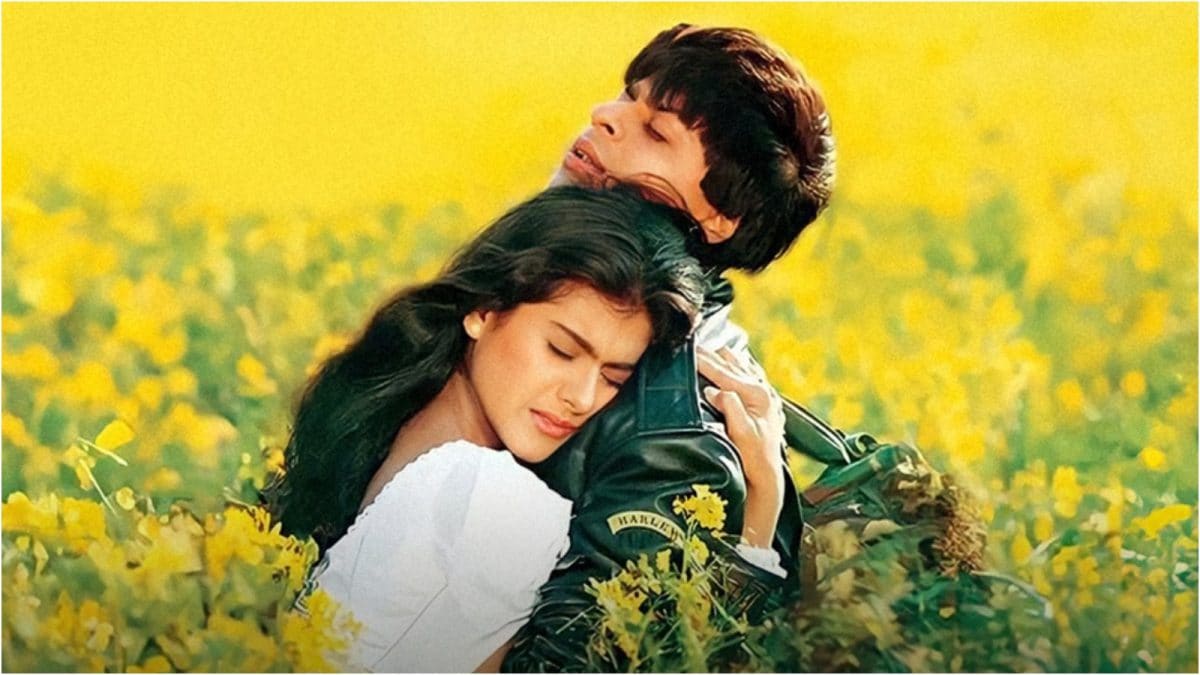
The post asked followers to pick their favourite romance film that involves travel. It was a simple poll, but the reaction was anything but simple. Indian fans flooded the comments, sharing their own memories of the iconic train scenes, the mustard fields, and the famous train station farewell that has become a cultural shorthand for love at first sight.
Then, out of the blue, Kajol herself chimed in. Her reply was short and sweet: “I vote for Dilwale Dulhania Le Jayenge.” The tweet, with Kajol’s handle @itsKajolD, instantly went viral. Within minutes, you could see the tweet retweeted, quoted, and turned into memes across the internet. It felt like the whole country was collectively hugging the beloved film all over again.
Honestly, seeing Kajol’s response felt like a warm cup of masala chai on a rainy evening – comforting, familiar, and just the right amount of sweet. It reminded many of us how deeply Dilwale Dulhania Le Jayenge is woven into our personal love stories, family gatherings, and even school projects.
Why Dilwale Dulhania Le Jayenge Still Resonates After All These Years
Let me take a moment to talk about why Dilwale Dulhania Le Jayenge holds a special place in the hearts of millions. I still remember the first time I watched it on my family television set. The picture was fuzzy, the sound a bit scratchy, but the chemistry between Shah Rukh Khan and Kajol was unmistakable. Their banter, the cheeky glances, and the way they effortlessly played off each other made me believe in love at first sight.
Beyond the romance, Dilwale Dulhania Le Jayenge is a travel story at its core. The film begins with Raj travelling across Europe on a backpacking trip. The journey sets the stage for an adventure that eventually brings Raj and Simran together. The scenic backdrops – from the rolling hills of Switzerland to the cobblestone streets of Paris – act as characters themselves, shaping the narrative. For many Indians who have never set foot outside the country, these visuals became an aspirational window into the world.
In most cases, the film balances the excitement of travel with the deep-rooted values of Indian families. When Simran’s father, played by Amrish Puri, says, “Bade bade deshon mein, aisi choti choti baatein hoti rehti hain, senorita,” it’s not just a line; it’s a cultural mantra that reminds us that love can coexist with tradition.
Travel‑romance movies often focus on escapism – a chance to break free from daily routines. Dilwale Dulhania Le Jayenge does that, but it also grounds the story in Indian sensibilities. It’s perhaps that blend that makes the Academy’s inclusion of the film feel perfectly apt alongside Western titles.
Personally, I’ve taken a few trips to Europe inspired by the film. The train ride through the Alps reminded me of Raj’s carefree wanderlust. While I never felt the same dramatic chemistry as the protagonists, I could definitely sense the film’s influence in my own journey – a little lighter heart, a smile at every scenic view, and the occasional humming of the song “Tujhe Dekha To Ye Jaan Ja Gayi.”
Kajol’s Simple Tweet Turns Into a Celebration of Nostalgia
When Kajol posted “I vote for Dilwale Dulhania Le Jayenge,” fans didn’t just like the tweet – they turned it into a celebration. People started sharing their own anecdotes about how the film had impacted their lives. One user wrote about proposing to her boyfriend on a train platform, echoing the iconic scene. Another shared a photo of a wedding table set up with miniature statues of Raj and Simran, a trend that has become quite popular in Indian weddings.
Even media outlets quickly picked up the story, writing articles that highlighted the film’s lasting legacy and the surprise factor that a celebrity would so openly endorse a decades‑old movie. The Academy’s post, initially just a list of movies, unintentionally became a catalyst for a wave of nostalgia that flooded social media.
In most cases, such bursts of collective memory remind us how cinema can act as a cultural glue. It’s not just about entertainment; it’s about shared experiences, emotional checkpoints, and the way we narrate our own stories using the language of films.
The comment section of Kajol’s tweet read like a family reunion. Fans cheered, memes were posted, and even the official X account of The Academy retweeted Kajol’s message with a caption that thanked her for voting.
From Leicester Square to Global Recognition: DDLJ’s Statue Milestone
While Kajol’s tweet was fresh in everyone’s mind, there is another landmark moment that still haunts my memory – the unveiling of a bronze statue of Raj and Simran at Leicester Square in London.
Last year, Shah Rukh Khan and Kajol became the first Indian actors to have their characters immortalised on the famous Scenes in the Square trail. The statue, positioned near the iconic movie theatre, shows Raj holding Simran’s hand, both looking out into the world with hopeful eyes. The event attracted Indian tourists, British fans, and the press alike.
Shah Rukh Khan took to social media after the ceremony and posted a note that started with, “Bade bade deshon mein, aisi chhoti chhoti baatein hoti rehti hain, senorita!” The post went on to express his joy at seeing Dilwale Dulhania Le Jayenge honoured with a statue, thanking the UK community for making it possible, and inviting anyone visiting London to meet Raj and Simran.
What made the moment even more personal was the presence of Kajol’s children, Yug and Nysa Devgan, who were seen hugging the statue and giggling at the sight of their mother’s younger self. Watching the family together reminded many fans that the love story extends beyond the screen – it lives on in real life, through generations.
The statue’s placement at Leicester Square has turned the area into a pilgrimage spot for Bollywood fans from across the world. Couples often pose with the bronze figures, recreating the famous train track pose, while tourists snap pictures, adding a dash of Indian romance to the London skyline.
How Travel‑Romance Films Shape Our Wanderlust
Beyond Dilwale Dulhania Le Jayenge, the travel‑romance genre has always been a catalyst for wanderlust among Indian audiences. Films like Yeh Jawaani Hai Deewani, Zindagi Na Milegi Dobara, and even Hollywood titles such as The Holiday and Eat Pray Love have inspired countless trips.
Whenever I see a scene of two characters strolling through vineyards or sitting on a beach watching the sunset, I feel a sudden urge to book a flight. The same thing happened after watching the travel‑romance list posted by The Academy – I found myself scrolling through travel blogs, looking for destinations that resembled the mustard fields of Punjab or the snow‑capped mountains of Switzerland that were captured in Dilwale Dulhania Le Jayenge.
In most cases, these movies give us a visual map of love stories, and we try to overlay our own journeys onto them. This is why the inclusion of Dilwale Dulhania Le Jayenge alongside global titles felt so fitting – it signals that Indian cinema has contributed a timeless travel‑romance blueprint to the worldwide catalogue.
Personal Reflections: Why I Keep Coming Back to Dilwale Dulhania Le Jayenge
Whenever I watch Dilwale Dulhania Le Jayenge now, I notice new layers each time. The first time it was the sheer chemistry of Shah Rukh Khan and Kajol that captured me. The second time it was the lyrical dialogues that made me appreciate how love can be expressed in simple words. The third time, it was the scenic frames that sparked my dream of traveling abroad.
Even after more than two decades, the film feels fresh because it’s anchored in emotions that never age. The fact that The Academy chose to celebrate it alongside contemporary travel‑romance movies proves that good storytelling transcends time.
When Kajol said “I vote for Dilwale Dulhania Le Jayenge,” it reminded me of the time my sister and I argued over which song from the film should be played at our family wedding. We eventually chose “Mehndi Laga Ke Rakhna,” and everyone sang along – it was a moment that stitched the film into our own family’s celebrations.
In most cases, these memories are the real proof that a movie is more than just celluloid; it becomes a part of our personal lexicon. Dilwale Dulhania Le Jayenge is a reminder that love, travel, and family can coexist, and that a simple vote on social media can reignite an entire generation’s love for a classic.