Lakshya Sen and P. V. Sindhu Lead India’s Charge at the Thomas and Uber Cups
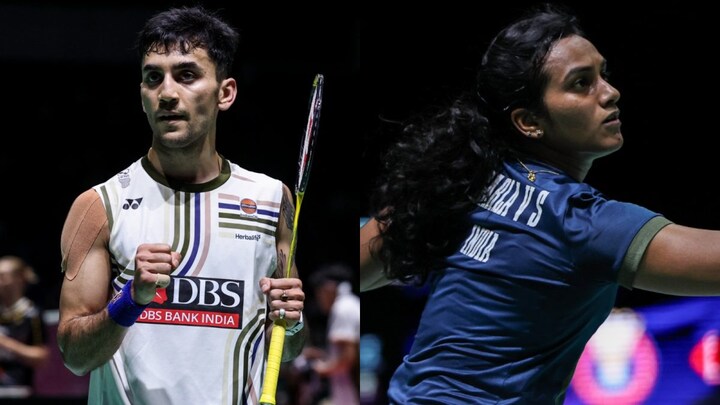
Lakshya Sen and P. V. Sindhu headline India’s squads for the Thomas and Uber Cups, with a strong mix of experienced stars and rising youngsters heading to Denmark.
India is adopting a strategic blend of a familiar core and a fresh wave of youthful firepower as the nation prepares for the Thomas Cup and Uber Cup next month in Horsens, Denmark. The overarching philosophy emphasizes continuity through veteran presence while simultaneously injecting vigor through emerging talent.
In the men’s contingent, Lakshya Sen assumes the leading role. Lakshya Sen enters the tournament riding the momentum of a recent runner‑up finish at the All England Open, a result that underscores Lakshya Sen’s current high‑level form. Supporting Lakshya Sen, a battle‑tested nucleus consists of Kidambi Srikanth and H. S. Prannoy, both of whom have amassed considerable experience on the international stage.
The doubles segment of the men’s squad retains the world‑class pairing of Satwiksairaj Rankireddy and Chirag Shetty. Satwiksairaj Rankireddy and Chirag Shetty formed the backbone of the historic 2022 title‑winning team, and their continued presence provides stability and proven chemistry.
Ayush Shetty earns a maiden call‑up to the senior squad after delivering consistent performances in recent domestic and international fixtures. Ayush Shetty’s inclusion reflects the selection committee’s confidence in emerging talent capable of contributing at the highest level.
M. R. Arjun returns from injury to bolster the doubles unit. M. R. Arjun joins forces with Hariharan Amsakarunan and seasoned campaigner Dhruv Kapila, creating a versatile trio that can adapt to varied partnership dynamics.
Kiran George adds further depth to the singles lineup. Kiran George’s presence expands the options available to the team management when assembling match‑day lineups.
P. V. Sindhu Leads the Women’s Campaign
On the women’s side, P. V. Sindhu headlines India’s Uber Cup campaign. P. V. Sindhu’s status as a multiple‑time world championship medalist and Olympic medalist provides a cornerstone around which the rest of the squad can coalesce.
Rising star Unnati Hooda stands as the next in line, offering a blend of youthful exuberance and growing competitive experience. Unnati Hooda’s recent performances have earned her a place alongside P. V. Sindhu in the senior squad.
The doubles contingent retains its established pairings of Treesa Jolly and Gayatri Gopichand Pullela. Treesa Jolly and Gayatri Gopichand Pullela have demonstrated reliability in previous team events, and their inclusion signals a desire for continuity in the doubles discipline.
Additional young prospects such as Tanvi Sharma, Devika Sihag, and Isharani Baruah have been rewarded for recent strong showings in national and international tournaments. Their selection highlights the broader objective of building depth and ensuring a pipeline of talent for future competitions.
Selection Rationale and Official Statements
The Badminton Association of India released an official statement outlining the criteria used for squad selection. The Badminton Association of India explained that selections were based on BWF rankings as of a specific cutoff date, with additional inclusions made while keeping team combinations in mind. The Badminton Association of India’s transparent approach emphasizes meritocracy and strategic balance.
Sanjay Mishra, General Secretary of the Badminton Association of India, summarized the overall composition of the squads. Sanjay Mishra remarked that the squads feature a good mix of youth and experience in both the men’s and women’s teams. Sanjay Mishra further highlighted that the youngsters are in great form, which provides confidence heading into the tournament.
Strategic Outlook for the Upcoming Campaign
India’s strategic outlook centers on leveraging the seasoned expertise of veterans while granting pivotal match exposure to the newer entrants. By pairing veterans such as Kidambi Srikanth, H. S. Prannoy, and Satwiksairaj Rankireddy with rising athletes like Ayush Shetty and Unnati Hooda, the team aims to foster mentorship on the court and accelerate the development curve of the younger cohort.
In the men’s singles arena, Lakshya Sen’s recent runner‑up finish at a premier event suggests a peak in confidence and technical precision. Lakshya Sen’s aggressive attacking style, combined with rapid footwork, positions Lakshya Sen as a formidable contender against traditional powerhouses.
Kidambi Srikanth’s extensive experience in pressure situations provides the men’s side with a reliable fallback option. Kidambi Srikanth’s tactical adaptability and composure under high‑stakes moments augment the team’s resilience.
H. S. Prannoy’s defensive solidity and ability to turn defensive shots into offensive opportunities complement the attacking mindset of Lakshya Sen and Kidambi Srikanth. H. S. Prannoy’s inclusion adds a nuanced dimension to the singles strategic framework.
In the men’s doubles arena, the synergy between Satwiksairaj Rankireddy and Chirag Shetty has been proven at the highest levels of competition. Their synchronized movement, rapid net play, and powerful smashes create a cohesive unit that can dominate rallies.
The addition of M. R. Arjun alongside Hariharan Amsakarunan and Dhruv Kapila offers flexibility in partnership arrangements. The ability to field multiple pairings can be crucial when adjusting tactics against varied opponent styles.
Kiran George’s role in the singles bench provides depth, ensuring that fatigue or injury to primary singles players can be mitigated without compromising competitive standards.
For the women’s squad, P. V. Sindhu’s experience in major finals equips the team with a mental edge. P. V. Sindhu’s characteristic smash speed, precise placement, and strategic shot selection serve as a benchmark for younger teammates.
Unnati Hooda’s recent ascension in world rankings demonstrates a rapid improvement trajectory. Unnati Hooda’s aggressive playstyle and willingness to take calculated risks align well with the team’s overall aggressive philosophy.
Treesa Jolly and Gayatri Gopichand Pullela’s partnership continues to exemplify coordinated front‑court play and decisive net interceptions. Their ability to transition quickly from defense to attack adds a critical layer to the women’s doubles game plan.
Emerging talents Tanvi Sharma, Devika Sihag, and Isharani Baruah have each displayed consistency in recent tournaments. Their inclusion not only rewards current form but also serves as an investment in future strategic depth.
Conclusion
India’s squads for the Thomas Cup and Uber Cup embody a deliberate blend of seasoned expertise and energetic youth. Lakshya Sen, P. V. Sindhu, and their respective support casts are poised to deliver performances that reflect both individual brilliance and collective harmony. The thoughtful composition of the squads, as articulated by the Badminton Association of India and its General Secretary Sanjay Mishra, signals a clear intent to compete fiercely while simultaneously nurturing the next generation of champions.
The upcoming campaign in Horsens, Denmark, will test the strategic balance crafted by the selections committee. The convergence of experience, form, and youthful ambition positions India as a compelling contender in both the Thomas Cup and Uber Cup arenas.
(with PTI inputs)