Masoud Pezeshkian Declares 14 Million Ready to Defend Iran as United States Deadline Looms

Iran President Masoud Pezeshkian says over 14 million citizens are ready to die defending Iran as a United States deadline on reopening the Strait of Hormuz and threats of strikes loom
Masoud Pezeshkian, President of Iran, announced that more than fourteen million citizens have expressed a willingness to sacrifice their lives in defense of the nation. This declaration was made amid a rapid escalation of diplomatic and military pressure surrounding the strategic waterway that bisects the Persian Gulf.
Follow Live Updates Here
“More than fourteen million Iranian people have declared their readiness to sacrifice their lives… Masoud Pezeshkian has been, is, and will remain ready to give Masoud Pezeshkian’s life for Iran,” Masoud Pezeshkian said.
United States Deadline and Threats of Massive Strikes
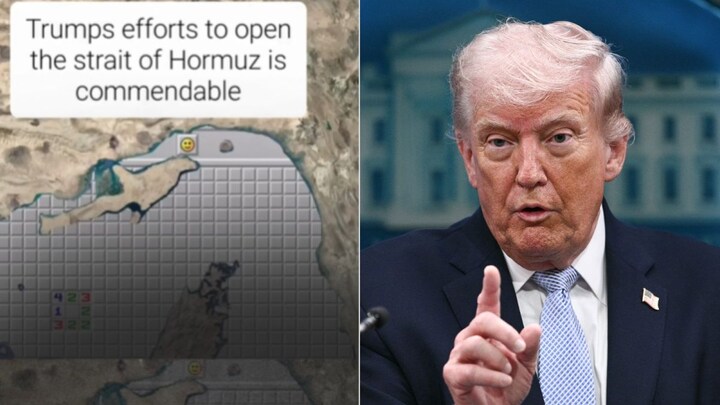
The United States, under the leadership of Donald Trump, set a definitive deadline for Iran to permit free navigation through the Strait of Hormuz. The deadline is tied to a warning that failure to comply will trigger massive strikes on critical infrastructure across the region. The United States has consistently emphasized that any obstruction to the flow of global oil through the strait would be met with decisive military action.
The United States has reiterated that the strategic importance of the Strait of Hormuz cannot be overstated, noting that a significant portion of the world’s petroleum supply passes through this narrow channel. United States officials have warned that any interference could destabilize global markets and threaten energy security worldwide.
Iranian Civil Mobilization and Defiant Stance
Even as the United States deadline draws nearer, Iran has shown no indication of retreat. Iranian authorities have called upon young Iranians to form human chains around key facilities, including power plants and water treatment sites. The purpose of these human chains, according to Iranian officials, is to deter potential strikes by presenting a visible, civilian presence at critical locations.
Iranian officials have also urged communities across the country to prepare for possible escalations. Public announcements have encouraged citizens to stockpile essential supplies, maintain communication with local emergency services, and remain vigilant for any sudden changes in the security environment.
Rejection of Ceasefire Proposals
Negotiations aimed at achieving a temporary cessation of hostilities have been met with firm resistance from Iran. Iran has categorically rejected a proposed ceasefire, instead calling for a permanent end to the conflict that began with the initial series of air and naval engagements. The Iranian stance is framed as a refusal to accept any arrangement that would allow continued pressure on Iran’s sovereign territory.
Iranian officials have argued that a ceasefire would merely serve as a pause that could be exploited by opposing forces to regroup and launch further offensives. Consequently, Iran has positioned itself as a party demanding an unequivocal, lasting resolution to the hostilities.
Renewed Strikes Across Iran
Reports from Iranian media indicate that renewed strikes have been carried out by United States and Israel across multiple Iranian sites. Among the locations targeted is a petrochemical facility situated in Shiraz, a city known for its historic architecture and industrial capacity. Casualties have been reported in several districts following the attacks, though exact numbers remain unverified.
In addition to the strike on the petrochemical complex, other sites reportedly sustained damage, including infrastructure related to transportation and energy distribution. Iranian authorities have called these attacks “unprovoked” and have warned that further aggression will only increase the resolve of the Iranian populace.
Israel, a regional adversary of Iran, has issued warnings in Persian urging the public to avoid using trains. The warning suggests a potential focus on rail infrastructure in forthcoming operations, though Israel has not provided explicit details regarding the intended targets.
Regional Spillover and Missile Activity
The conflict has begun to affect neighboring states, with Iran launching missiles toward Saudi Arabia. While the majority of the missiles were intercepted by Saudi Arabian air defenses, fragments of debris fell near energy facilities located within Saudi Arabian territory. The incident underscores the heightened risk of collateral damage to civilian infrastructure in the broader region.
In response to the missile launches, Saudi Arabian authorities temporarily closed a key causeway that connects Saudi Arabia with Bahrain. The causeway serves as a vital transportation artery for commerce and travel between the two kingdoms. The temporary closure highlights the escalating tension and the precautionary measures taken by Saudi Arabian officials to protect the public.
International Reaction and Calls for Restraint
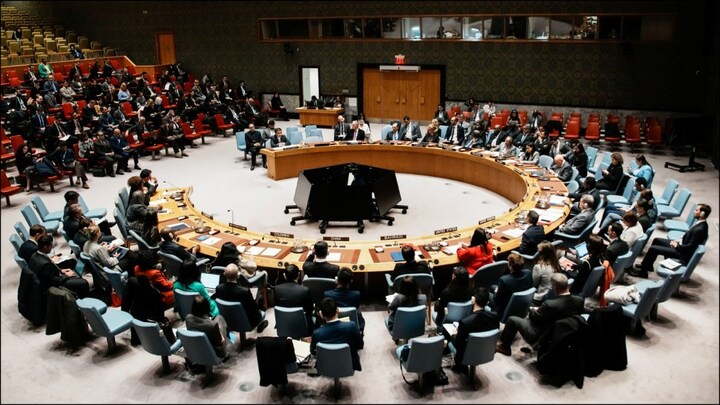
Global leaders and international organizations have issued statements urging restraint from all parties involved. The primary concern expressed by the international community centers on the potential for attacks on energy infrastructure and civilian targets to trigger a wider regional conflagration. Moreover, analysts warn that any disruption to the flow of oil through the Strait of Hormuz could have profound repercussions on global energy prices and supply chains.
Diplomatic channels remain active as various nations attempt to de‑escalate the situation. Negotiators have highlighted the importance of maintaining open lines of communication between Iran, the United States, and other regional actors. The goal of these diplomatic efforts is to prevent further military escalation and to seek a mutually acceptable resolution that safeguards both regional stability and global economic interests.
Outlook and Anticipated Developments
The coming hours are expected to be decisive as the United States deadline approaches. Iranian leadership, represented by Masoud Pezeshkian, has reaffirmed a willingness to endure any hardship to protect national sovereignty. Simultaneously, United States officials, led by Donald Trump, have emphasized that the deadline is non‑negotiable and that failure to meet the stipulated conditions will result in large‑scale military action.
Observers note that the situation remains fluid and that any misstep could rapidly amplify the conflict. The specter of further missile launches, additional strikes on energy facilities, or a broader engagement involving allied forces looms large. As diplomatic efforts continue to seek a resolution, the resilience of the Iranian populace, as expressed through Masoud Pezeshkian’s declaration of fourteen million ready to sacrifice, will likely influence the calculus of both Tehran and Washington.
In the meantime, governments across the world are closely monitoring the developments, preparing contingency plans, and urging their citizens to stay informed about potential travel advisories and security measures. The interplay between military maneuvers, economic pressures, and diplomatic negotiations will shape the trajectory of the crisis in the days ahead.