Mercedes' Kimi Antonelli Sets Record with Japanese Grand Prix Victory
Kimi Antonelli captures the Japanese Grand Prix for Mercedes, becoming the youngest leader of the Formula One World Championship at 19 and the first teenager to win multiple Grands Prix.
Historic Achievement for a Teenager
Kimi Antonelli secured the victory at the Japanese Grand Prix, establishing himself as the first teenager in the history of Formula One to claim two Grand Prix victories. The 19‑year‑old Italian driver also became the inaugural teenager to sit atop the World Championship leaderboard. This breakthrough adds a new chapter to the sport’s record books and highlights the rapid rise of Kimi Antonelli within the premier racing series.
The triumph marks Kimi Antonelli’s second consecutive win, following a debut victory that occurred earlier in the season at the Chinese Grand Prix. By repeating the feat, Kimi Antonelli not only reinforced his personal credentials but also delivered Mercedes a double‑round of success that has not been achieved by a teenager in the modern era.
Race Summary and Key Moments
Mercedes entered the Japanese Grand Prix from pole position, a position earned by Kimi Antonelli after setting the fastest qualifying time. The start, however, proved challenging. Kimi Antonelli slipped down the order, finding himself in sixth place by the first corner. Oscar Piastri of McLaren capitalized on the opening, taking the early lead, while Charles Leclerc of Ferrari quickly positioned himself among the front‑runners.
George Russell, who had entered the round as the championship leader, also found himself behind Kimi Antonelli after the opening laps. The race then settled into a strategic contest, with drivers jostling for position and teams calculating optimal pit‑stop windows.
Mid‑race, a significant incident involving Haas driver Ollie Bearman triggered the deployment of the safety car. Ollie Bearman suffered a high‑speed impact with the barriers, resulting in a right‑knee contusion. The immediate medical response ensured Ollie Bearman was safely extracted, and subsequent imaging confirmed the absence of fractures.
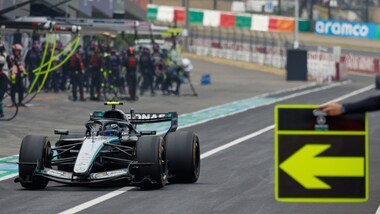
Capitalizing on the safety‑car period, Kimi Antonelli entered the pits at a moment that proved decisive. The pit stop was executed flawlessly, allowing Kimi Antonelli to rejoin the race at the front of the pack. The combination of a well‑timed stop and the reshuffling of the field granted Kimi Antonelli the lead for the remainder of the distance.
Despite relentless pressure from Oscar Piastri, who was determined to defend the position his team had occupied for much of the race, Kimi Antonelli maintained a steady pace. The margin to the nearest challenger widened, and Kimi Antonelli crossed the finish line with a comfortable lead, securing the chequered flag at Suzuka.
Kimi Antonelli’s Reaction to Victory
Following the win, Kimi Antonelli expressed exuberance, stating that the pace displayed during the race was “unbelievable.” The victory propelled Kimi Antonelli to the top of the championship standings after three races, building upon the momentum generated by the earlier triumph in China.
Kimi Antonelli’s celebration was marked by a spontaneous whoop as he crossed the finish line, a spontaneous display that underscored the emotional weight of the achievement for a driver of his age.
Performance of Other Championship Contenders
George Russell concluded the Japanese Grand Prix in fourth place, finishing behind the podium finishers. Throughout the first half of the race, George Russell contended with Oscar Piastri for the lead but elected to pit shortly before the safety‑car period, a strategic decision that removed George Russell from immediate contention for the victory.
Oscar Piastri secured second place, ensuring McLaren a podium finish and denying Mercedes a third consecutive one‑two result. Charles Leclerc completed the podium, rounding out the top three and reinforcing Ferrari’s competitive presence.
McLaren driver Lando Norris finished fifth, while Lewis Hamilton of Ferrari was placed sixth. Alpine driver Pierre Gasly rounded out the points‑scoring positions in seventh place.
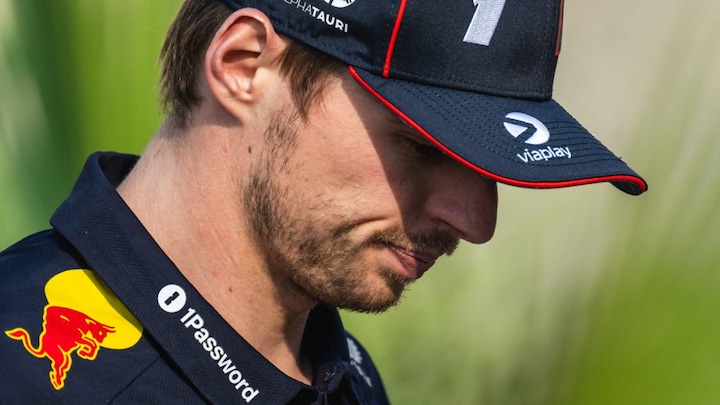
Red Bull’s four‑time world champion Max Verstappen, who had dominated the Japanese Grand Prix for several seasons previously, finished eighth after starting from 11th on the grid. Max Verstappen’s race demonstrated the depth of the field despite the ultimate finishing position.
Strategic Analysis of the Winning Move
Kimi Antonelli’s pole‑position start was notable for being the second consecutive pole in the season, matching the record for the youngest pole‑sitter set earlier in China. The initial loss of positions, however, required Kimi Antonelli to exhibit overtaking skill and race‑craft to recover ground while awaiting the safety‑car window.
The safety‑car deployment acted as a catalyst for Kimi Antonelli’s ascent back to the front. By diving into the pits during the safety‑car period, Kimi Antonelli benefited from a reduced time loss compared to competitors who pitted under Green‑flag conditions. The strategic timing, combined with a precise pit‑stop execution, placed Kimi Antonelli at the head of the field at a crucial juncture.
Following the restart, Kimi Antonelli managed tyre wear efficiently, preserving a performance advantage that allowed the driver to extend the lead over Oscar Piastri. The disciplined approach to tyre management and fuel consumption contributed significantly to the ability to sustain race‑winning pace.
Impact on the Championship Landscape
Kimi Antonelli’s ascent to the top of the championship leaderboard reshapes the narrative for the remainder of the season. The 19‑year‑old driver now leads the points tally, challenging established figures such as George Russell, Lewis Hamilton, and Max Verstappen.
The early-season points distribution illustrates a competitive balance, with multiple drivers having secured podium finishes. Kimi Antonelli’s consistency, highlighted by back‑to‑back victories, positions Mercedes as a strong contender for both the Drivers’ and Constructors’ Championships.
The shifting dynamics also underscore the importance of strategic decision‑making during safety‑car periods, as demonstrated by the race‑changing pit‑stop that delivered Kimi Antonelli the advantage needed to clinch the win.
Schedule Adjustments and Upcoming Rounds
Following the conclusion of the Japanese Grand Prix, the Formula One calendar enters an extended interval before the next round at Miami. The originally planned events in Bahrain and Saudi Arabia have been cancelled in response to geopolitical developments affecting the region.
The hiatus provides teams the opportunity to analyse data, refine car setups, and prepare for the challenges presented by the forthcoming street‑circuit race in Miami. The anticipation surrounding the next venue is heightened by the close championship battle emerging after the Japanese Grand Prix.