Deleted post and immediate fallout
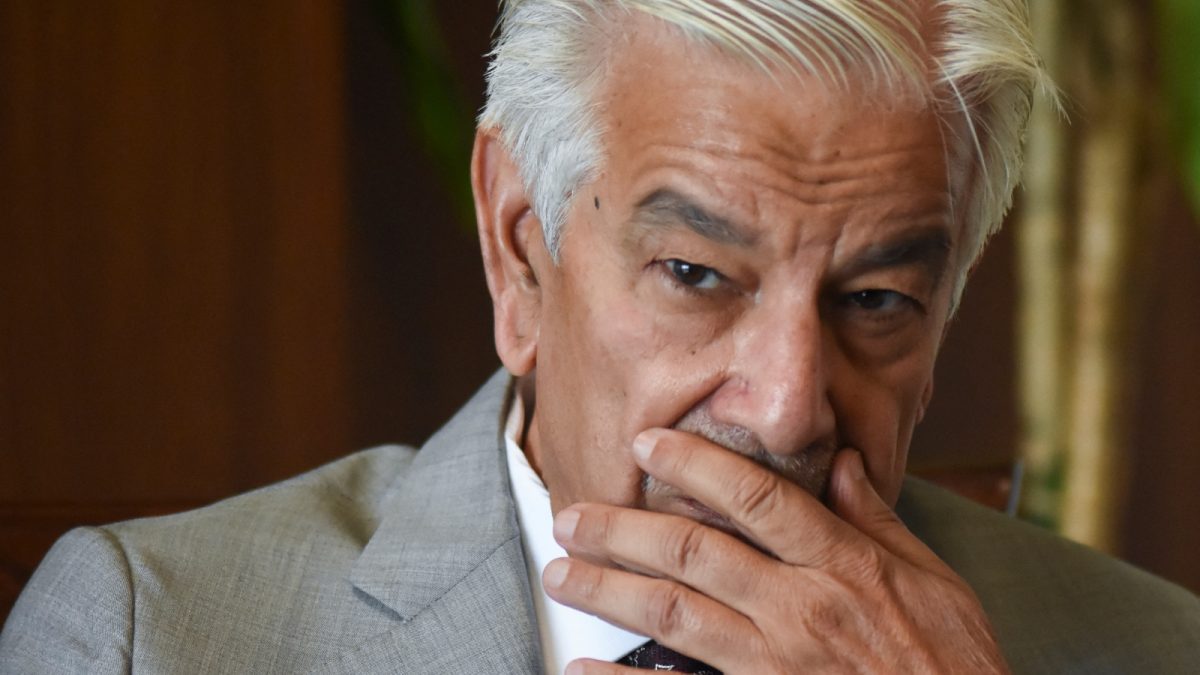
When I first saw the post on X, I thought someone had gone a little too far. The defence minister of a nuclear‑armed country, Khawaja Asif, had typed out a blistering statement calling Israel "evil" and "a curse for humanity". He even went as far as saying that a "genocide is being committed in Lebanon". The post was short, but the words were heavy. Within minutes, the post disappeared – most likely deleted by the same account.
In many Indian households, we often hear the phrase "drunk posting" after someone shares something too emotional. Some online users actually used that exact term for Khawaja Asif, saying the minister might have been under the influence when he pressed that button. Others argued that it could be a calculated move to stir up engagement, knowing that controversy always brings clicks and retweets.
What struck me most was how fast the conversation turned personal. People started comparing Khawaja Asif’s tone to Israel’s own diplomatic style, saying it sounded like a double‑standard. A few netizens even suggested that Pakistan and Israel might clash someday, something that seems far‑fetched but shows how emotionally charged the issue has become.
Reactions from the other side
It didn’t take long for Benjamin Netanyahu’s office to respond. A statement, signed under the name of Benjamin Netanyahu, called the defence minister’s remarks "outrageous" and said they could not be tolerated from any government that claims to be a neutral arbiter for peace. The wording was short and pointed, a classic diplomatic rebuke you would hear in any United Nations briefing.
For me, the reaction felt a bit like a neighbor shouting back across a fence – loud, direct, but also a sign that the fence is still there. The exchange highlighted the delicate line Pakistan is walking: hosting peace talks while its own officials are making statements that could be seen as taking sides.
Online commentary added its own flavor. Some users wrote, "He is also like Israeli, accepting UN resolutions but not implementing them," a line that reflects a common critique not just in the sub‑continent but across the globe. Others simply repeated the phrase "under the influence" with an extra emphasis on the word "Deleted" – as if to suggest the post vanished before anyone could verify the exact wording.
What the original post actually said
The now‑deleted X post began with a claim that innocent civilians were being killed by Israel, first in Gaza, then Iran, and now in Lebanon. It went on to describe the situation as "bloodletting continues unabated". The defence minister concluded with a vivid, almost literary line, wishing that the people who "created this cancerous state on Palestinian land to get rid of European Jews" would "burn in hell".
Reading that, I felt the same mixture of anger and disbelief that many Indians feel when a political figure uses such strong religious language. It reminded me of the heated debates we have during election season, where rhetoric can sometimes eclipse policy.
Even though the post is gone, screenshots circulate on social media, and the damage – in terms of diplomatic perception – is already done.
Pakistan’s role as a shuttle mediator
Meanwhile, the Islamabad Serena Hotel has been turned into a high‑security diplomatic zone for the ongoing United States‑Iran peace negotiations. The venue, previously known for its luxurious suites, now hosts a constant hum of translators, security personnel, and piles of confidential dossiers.
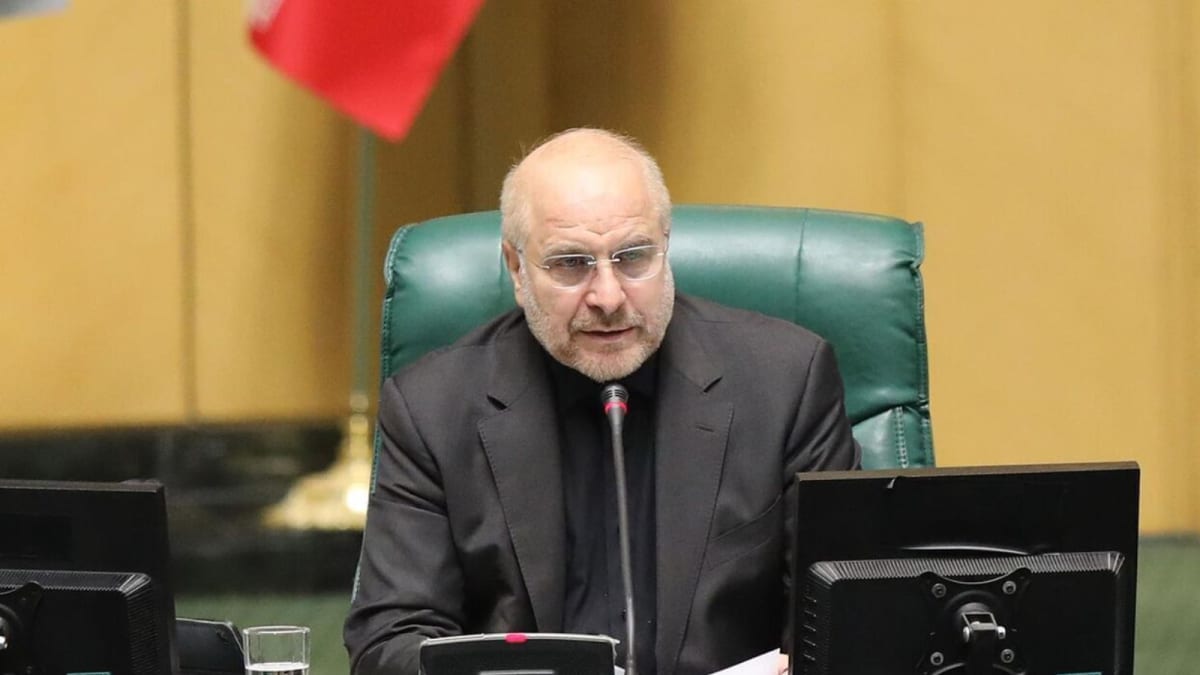
Vice President J.D. Vance leads the American delegation, accompanied by senior envoys Steve Witkoff and Jared Kushner. From the Iranian side, Parliament Speaker Mohammad Bagher Ghalibaf and Foreign Minister Abbas Araghchi are present. All of them are shuffling documents back and forth, using intermediaries as the talks are being conducted in separate rooms – a classic shuttle‑mediator format.
Having lived in Delhi for a few years, I can picture the scene: a grand hotel turned into a diplomatic bubble where every corridor seems to echo with whispered proposals. The air is thick with the expectation that a fragile two‑week cease‑fire can be turned into a lasting settlement. The same spirit of hope faced a sudden jolt when Khawaja Asif’s post made headlines.
Why the timing matters
The defence minister’s statement came just as the peace talks were about to commence. In most cases, hosting a set of high‑stakes negotiations sends a strong signal that a country wants to be seen as neutral and constructive. When a senior official from the host nation suddenly launches a verbal attack on one of the parties, it creates an awkward atmosphere for the negotiators.
Imagine a cricket match where the umpire’s friend in the crowd starts shouting at the batsmen – it distracts everyone and may even affect the players’ focus. Similarly, the defence minister’s words could have made the United States and Iran wonder whether Pakistan can truly keep the venue neutral.
India has faced similar dilemmas when it hosted various international summits. We often hear senior politicians expressing personal viewpoints, and then the foreign ministry stepping in to clarify the official stance. In this case, no official clarification was released, only the deletion of the post.
Public sentiment and media chatter
Social media in the sub‑continent never sleeps. Within an hour of the post’s deletion, the comment sections were flooded with people sharing their own take on the incident. Mario Nawfal, a Lebanese‑Australian entrepreneur and podcast host, posted a question that went viral: "What’s worse – a defence minister of a nuclear‑powered country drunk‑posting, or sober‑posting the most inflammatory thing possible for engagement?" The question itself became a meme, with many Indian netizens adding their own emojis and gifs.
Some commentators pointed out that the defence minister’s language resembles the kind of rhetoric often used by extremist groups – a dangerous trend when it comes from a high‑ranking official. Others argued that the strong language might have been an attempt to show solidarity with the Palestinian cause, which enjoys widespread sympathy in India and Pakistan alike.
In my own circle of friends, we argued over tea about whether the defence minister should have saved his thoughts for a private diplomatic channel instead of a public platform. The consensus was that while passionate support is understandable, the medium matters a lot – especially when it can affect an ongoing peace process.
Potential diplomatic repercussions
From a diplomatic standpoint, the defence minister’s deleted post could have several implications. First, it may strain the relationship between Pakistan and Israel, which, although not formal, have had back‑channel communications over the years. Second, it could raise concerns within the United States about the impartiality of the host nation.
Countries often weigh the host’s internal politics when choosing where to hold talks. In most cases, the host’s role is to provide a secure, neutral environment, and any overt political statements can jeopardise that perception. In this scenario, the defence minister’s statement might have forced the United States and Iran to double‑check security protocols and perhaps even reconsider the venue’s “neutrality” claim.
Thoughts in Indian diplomatic circles echo similar worries. When a senior official makes a bold claim, it tends to ripple across the diplomatic community, prompting questions about how the talks will proceed without external pressure.
Looking ahead: what can Pakistan do?
Going forward, Pakistan may need to manage the fallout by reinforcing its commitment to neutrality. A clear, official statement that separates the personal views of Khawaja Asif from the official stance of the government could help restore confidence among the delegations.
In my view, this could be as simple as a brief press release saying, "The government of Pakistan remains fully committed to facilitating a peaceful and impartial environment for the United States‑Iran talks." Such a message would echo the kind of reassurance often issued by ministries after a diplomatic hiccup.
Additionally, ensuring that all future communications from senior officials go through the foreign ministry’s vetting process could prevent similar incidents. In India, we have seen instances where a minister’s off‑hand comment caused a diplomatic stir, and the ministry quickly stepped in to issue a clarification.
Ultimately, the success of the peace talks will depend on the willingness of the United States and Iran to engage constructively, but the host nation’s role cannot be ignored. If Pakistan can keep the atmosphere calm and give the negotiators the space they need, the "genocide" accusation in Lebanon may become less of a headline and more of a background issue.
Conclusion: a reminder of the power of words
What this episode teaches us, especially for those of us who are used to posting our thoughts online, is that words can travel far beyond the screen. A single tweet from a defence minister can spark a diplomatic row, invite media scrutiny, and even affect high‑level peace negotiations.
In most Indian households, we remind our youngsters to think twice before hitting the “post” button – a lesson that seems equally relevant for senior politicians. As the United States‑Iran talks continue behind the secure walls of the Islamabad Serena Hotel, all eyes remain on whether Pakistan can maintain its role as a quiet facilitator, or whether more statements will add to the noise.
For now, the deleted post remains a reminder that in the world of international diplomacy, every sentence counts, and the line between personal expression and official policy is often blurrier than we’d like to admit.