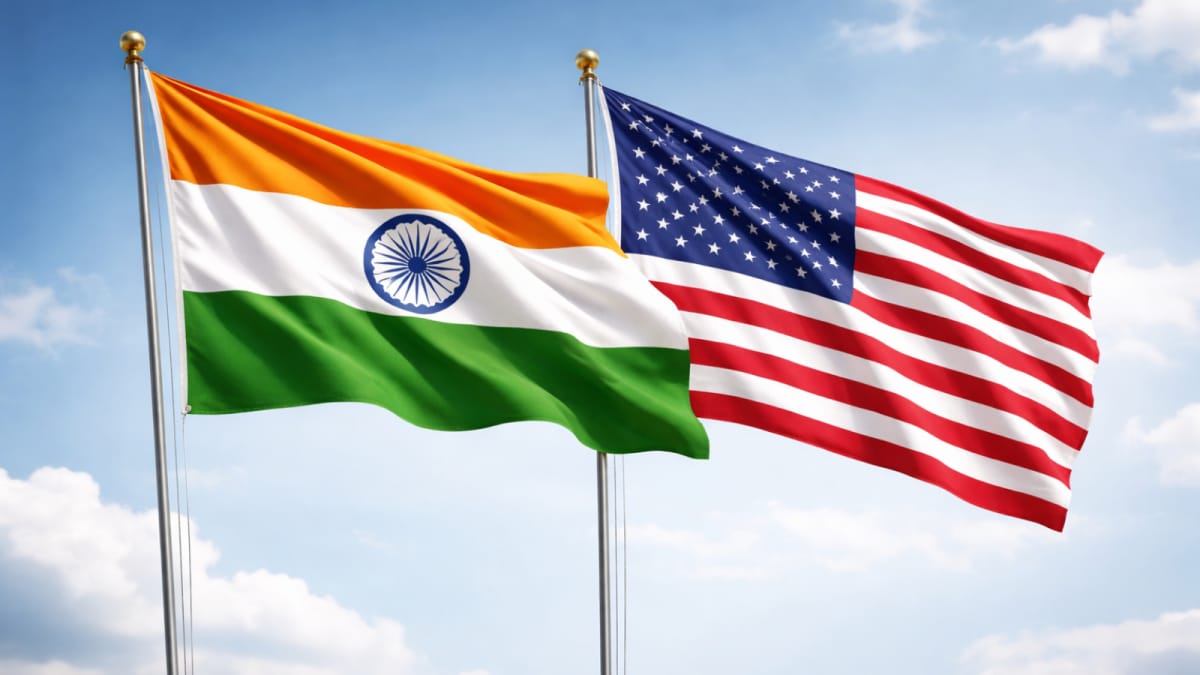
Why I’m watching the India‑US trade delegation’s Washington visit
Honestly, when I first heard that an Indian delegation was finally set to fly to Washington after a two‑month lull, I felt a mix of excitement and a bit of nervousness. You know how we in Delhi love a good business news – it feels like the country's heartbeat. The whole idea is that this team will try to revive the bilateral trade deal talks that have been on hold. My cousin, who works in an export‑oriented textile unit in Surat, kept asking me if the tariff cuts would actually help his factory, so I started digging into the details myself.
According to the latest word from US Ambassador to India Sergio Gor, the exact dates are still being ironed out. He posted on social media after a meeting with US Representative Jamieson Greer, saying, “The US and India have previously aGreed to a trade deal, and we look forward to welcoming an Indian delegation to Washington later this month.” That simple line sparked a lot of chatter on my WhatsApp groups – everyone from fellow engineers to my aunt who runs a small grocery store started wondering what it would mean for everyday goods.
What’s actually at the core of these talks?
Now, the big question: what are they really trying to sort out? From what I gather, the negotiations are all about smoothing out tariff disputes, opening up markets for each other’s products, and finally sealing the broader trade pact that’s been talked about for ages. The deal is expected to stretch over sectors like energy, technology, agriculture and even digital trade – basically everything that powers our economies today.
One of the headline numbers that keeps popping up is the plan to slash US tariffs on Indian goods from a hefty 50 % down to just 18 %. If that actually materialises, think about the ripple effect – cheaper Indian spices, textiles and maybe even more affordable smartphones for US shoppers, while Indian consumers could see better prices on US tech and machinery.
There’s also the commitment from India’s side – around $500 billion over the next five years for imports of US energy products, aircraft and parts, metals, coal and advanced technology. That’s a massive figure, and I can’t help but picture the huge ships docking at Mundra and Kandla, bringing in jet engines and high‑tech equipment. It sounds ambitious, but the idea is to boost bilateral trade flows and build a long‑term partnership.
How we got here: a quick timeline (as I remember it)
To make sense of all this, I thought I’d jot down the timeline of the India‑US trade journey, just like the news article does, but with a bit of my own flavour.
2025: Tensions and tariff war
Back in 2025, things got pretty heated. The US slapped steep tariffs on a bunch of Indian exports – I still recall the headlines about steel and dairy facing 30‑40 % duties. India called them unfair, and both sides slipped into a strained phase. I remember my uncle, who runs a dairy farm in Punjab, complaining about the sudden dip in his US orders. It felt like a classic trade war vibe.
Negotiations restart
Thankfully, diplomacy stepped in. A series of high‑level talks, many over coffee and sometimes late‑night video calls, helped cool down the heat. The focus shifted from shouting across the table to looking for ways to cooperate. I read that several rounds of negotiations were held, and the tone gradually became more constructive.
February 2026: Breakthrough deal announced
Then, on 2 February 2026, both countries announced a major trade framework after months of back‑and‑forth. The deal promised tariff adjustments and commitments across key sectors. Both sides called it a significant step towards a comprehensive Bilateral Trade AGreement (BTA). I was watching the news on a lazy Saturday morning, sipping chai, and thought, “Finally, some progress!”
March 2026: Talks hit pause
But just a month later, in March 2026, progress stalled. Some concerns and investigations on the US side delayed the final signing. It was like we were standing at the edge of a ramp, ready to jump, but then the ground shook a bit and we had to step back. The momentum slowed, and many in the business community felt a little uneasy.
April 2026: Diplomatic push resumes, talks set to restart
Now we’re in April 2026. Foreign‑Secretary level meetings in Washington have taken place, reviewing the whole bilateral relationship, trade included. India’s commerce ministry is urging businesses to step up engagement and aim for higher trade volumes. It feels like a fresh breath of optimism after the earlier slump.
What the upcoming Washington visit could mean for everyday Indians
So, why should you, me, and the whole country care about a delegation flying to Washington? Well, if the talks succeed, the impact could be felt right at the street level. For instance, my cousin’s textile unit might see lower US duties on fabrics, making it easier for them to export to American retailers. That could mean more jobs in Surat and better earnings for workers.
On the flip side, the huge $500 billion import commitment could translate into more US‑made aircraft parts reaching Indian airlines, potentially lowering maintenance costs and even improving flight safety. Imagine a Delhi‑based airline buying newer, more efficient engines from the US – that could cut fuel consumption and ticket prices in the long run.
Even for ordinary shoppers, reduced tariffs could bring down the price of imported tech gadgets, like laptops or smartphones, which are now a daily need for students and professionals alike. And don’t forget the agricultural angle – better market access could help Indian farmers get a fair price for their produce in the US, while US farmers might get easier entry into Indian markets for high‑value crops.
Strategic backdrop: why the world’s eyes are on this deal
Beyond the numbers, there’s a bigger picture. The world is still feeling the aftershocks of various geopolitical tensions, especially in West Asia. Both New Delhi and Washington are aware that stronger economic ties can act as a buffer against global uncertainties. The trade agenda is thus also a strategic one – a way to lock in a reliable partnership.
During the recent meetings, officials talked about not just trade facilitation but also strategic cooperation. It’s like when two neighbours decide to build a shared fence – it’s not just about keeping the cows out, but about trust and mutual benefit. For India, aligning more closely with the US on economic fronts can also complement the growing defence and security cooperation we see lately.
Personal reflections on the journey so far
Looking back, I can’t help but feel a mix of optimism and caution. I remember the early days of the 2025 tariff war – the headlines were all about ‘US‑India trade spat’, and many of us in the business community were anxious. Then the back‑and‑forth negotiations gave a sense of hope, especially when the February 2026 framework was announced. It felt like a long‑awaited rain after a dry summer.
But the pause in March reminded us that international deals are rarely smooth. Investigations, domestic politics, and shifting priorities can all add delays. Yet, the renewed push in April tells me that both governments are serious about not letting the momentum die.
In my own small way, I’ve started paying closer attention to trade news – something I used to skim over. I think that’s a sign of how these talks permeate everyday life, even if we’re not directly involved in negotiations.
What to watch for in the coming weeks
As the delegation prepares for Washington, a few things will be crucial:
- Final tariff numbers: Will the US aGree to bring down tariffs to the promised 18 %?
- India’s import commitment details: How will the $500 billion be split among energy, aircraft, metals, and tech?
- Regulatory hurdles: Both sides need to sort out non‑tariff barriers that have slowed down certain sectors.
- Strategic clauses: Any language tying trade to broader security cooperation could shape future relations.
For folks like me, sitting at a kitchen table with a cup of cut chai, these points might seem like distant policy jargon, but they’ll eventually trickle down to the price tags we see in markets and the job prospects for younger graduates.
Wrapping up – my hopeful outlook
All in all, I’m rooting for the talks to bear fruit. The chance to cut down tariffs, boost imports, and deepen strategic ties feels like a win‑win, especially if it translates into tangible benefits for both businesses and everyday citizens. I’ll be keeping an eye on the news, and maybe next time you see me at the tea stall, I’ll have some fresh updates to share.
Meanwhile, the whole nation – from the bustling markets of Kolkata to the IT parks of Bengaluru – will be watching, hopeful that this trade pact can usher in a new era of prosperity.