Why the Women’s Reservation Bill matters to everyday Indians
Honestly, when I first heard about the Women’s Reservation Bill, I thought it was another one of those policy papers that never see the light of day. But as a regular viewer of the latest news India, I quickly realised the bill could change the face of our elections. It aimed to raise the total number of Lok Sabha seats from 543 to 816 a massive jump and earmark one‑third of those seats for women. Imagine a Parliament where more than a hundred seats are guaranteed to women; that would certainly shift the dialogue on everything from safety to education. The idea was to roll this out ahead of the 2029 general elections, after a delimitation exercise based on the 2011 Census. If it had passed, we would have seen a brand‑new political map, and perhaps a different kind of representation for the common man and woman.
That’s why the defeat of the Constitution (131st Amendment) Bill felt like a big promise broken for many of us who follow trending news India. The bill needed a super‑majority two‑thirds of the total members to become law. In the final count, only 298 members voted in favour, while 230 voted against. Out of the 528 MPs who cast a vote, 352 were required for approval, so we fell short by a good margin. The numbers alone gave a clear picture: a strong opposition, and a coalition that could not muster enough votes even after intense lobbying.
What actually happened inside the Lok Sabha?
On the night of the vote, I was sitting on my balcony, watching the live telecast with a cup of chai, when the tension in the House became palpable. The debate was nothing short of a roller‑coaster. Speakers from the ruling BJP‑led alliance tried to champion the cause, claiming it would empower women across the country. On the other side, opposition leaders warned that tying the reservation to delimitation could unfairly affect states like Tamil Nadu, potentially reducing their representation in Parliament.
When the results were announced, the scene turned chaotic. Women MPs from the BJP, wearing the party’s signature saffron, stormed the corridors, holding placards that read, “India will not tolerate this insult to women.” Their chants echoed through the Parliament complex, a sight that made many of us watching from home feel the urgency of the issue. The protest was not just about the bill; it was about the message it sent to every girl dreaming of a political career. The intensity of that moment is something I will not forget it truly was a slice of breaking news that captured the nation’s attention.
Political uproar and the role of opposition leaders
In most cases, when a bill of such magnitude fails, the media dives into a frenzy of analysis, and that’s exactly what happened. Rahul Gandhi, the opposition’s key figure, was quick to label the bill as a “political gimmick.” While Rahul Gandhi affirmed that his party supports women’s reservation, he argued that coupling it with delimitation the redrawing of constituency boundaries was a back‑door attempt to dilute the political strength of southern states, especially Tamil Nadu.
Union Home Minister Amit Shah didn’t hold back either. Speaking at a rally in Ponneri, Tamil Nadu, Amit Shah accused the opposition of deliberately sabotaging the Women’s Reservation Bill. “Yesterday in Parliament, they came up with a new Bill. They said it was a Women’s Bill, but that was already passed in 2023. The hidden agenda behind that Bill was delimitation. The idea was to reduce Tamil Nadu’s representation in the Parliament of India and weaken southern and smaller states,” Amit Shah said, his voice resonating with frustration. The accusation added another layer to the already heated political debate, turning the discussion into a battlefield of narratives.
Meanwhile, the opposition maintained that they would not oppose any legislation that truly aimed to increase women’s presence in the legislature as long as it was not linked to a delimitation exercise that could shift the balance of power among states. This nuanced stance sparked numerous editorials and commentary pieces, making the story a constant fixture in viral news across social media platforms.
How the public reacted from street chants to social media trends
I remember walking past a local tea stall in Delhi later that night. The vendor, a middle‑aged man who watches every political cable channel, was shouting, “If they don’t give us women seats, who will speak for us?” He was surrounded by a group of young women, each scrolling through their phones, retweeting clips of the protest. On Twitter, trending hashtags like #WomenReservation and #ParliamentProtest were lighting up the feed. The story quickly turned into viral news, with memes depicting “what if my MP is a woman?” and heartfelt videos of women sharing why representation matters to them personally.
Even in smaller towns, the debate seeped into everyday conversations. My aunt in a village in Uttar Pradesh mentioned over dinner that she was hopeful the reservation could finally bring a woman MP who would understand the challenges of rural women. The reach of this issue was evident it wasn’t just a topic for policy wonks; it became part of the daily chatter, something that kept people glued to their televisions and phones for hours.
What to expect from Prime Minister Narendra Modi’s upcoming address
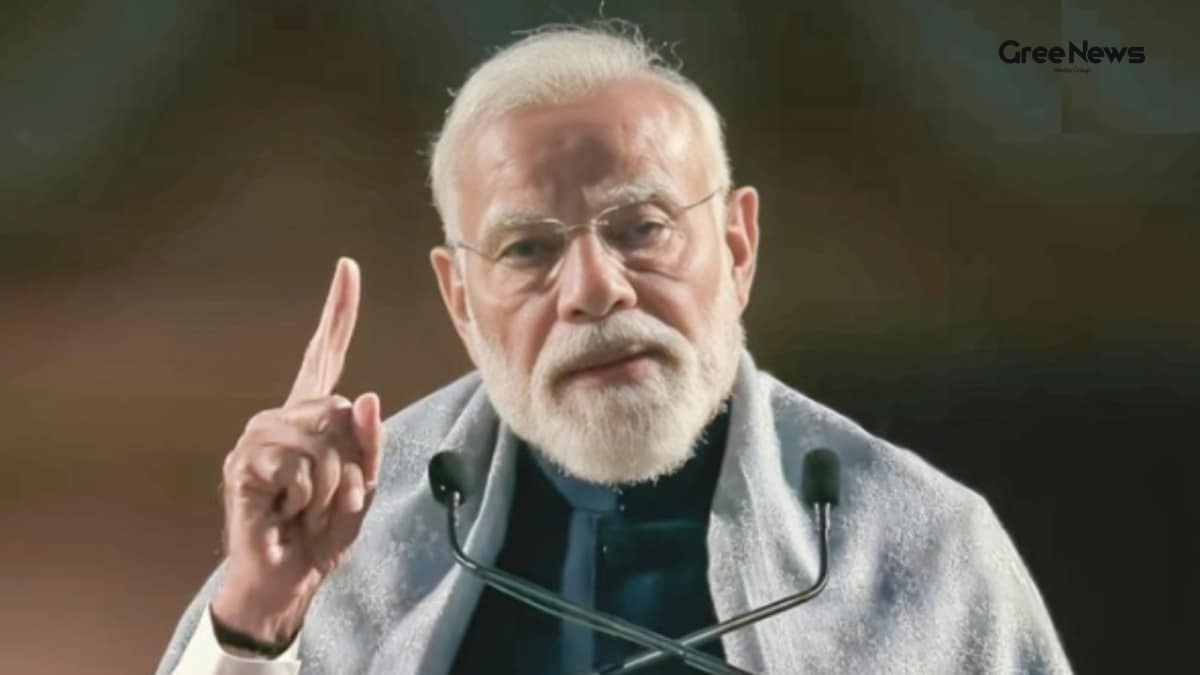
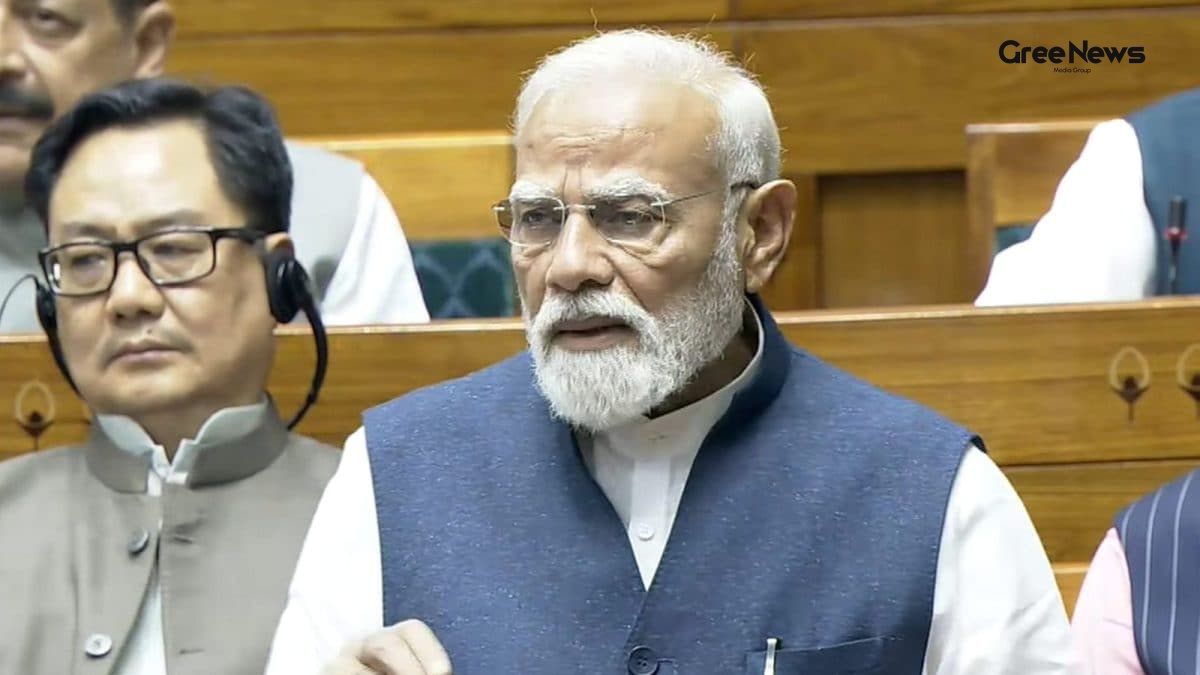
Now, the big question on everyone’s mind what will Prime Minister Narendra Modi say? As the nation tunes in for the 8:30 PM broadcast, many of us are expecting a balanced take. Prime Minister Narendra Modi is likely to reflect on the Parliamentary session, acknowledging the passionate debate while urging all stakeholders to think about the broader goal: increasing women’s representation in politics.
From what I’ve gathered through reliable sources, Prime Minister Narendra Modi may also address the bigger picture the need for a delimitation exercise that is fair and transparent, and the importance of national unity over regional politics. He could use the moment to call for constructive dialogue, reminding the opposition that the ultimate aim is to empower half the population. As someone who follows the latest news India religiously, I can sense that Prime Minister Narendra Modi will try to soften the political heat, perhaps offering a roadmap for revisiting the bill in the future.
This address will also be an opportunity for Prime Minister Narendra Modi to showcase his vision for the upcoming 2029 elections, where the expanded parliamentary seats could become a reality. Whether the speech will calm the storm or add another layer to the political drama remains to be seen, but one thing is clear the nation is waiting with bated breath.
What could happen next? Possible scenarios and their impact
There are a few possible paths forward. One scenario is that the ruling coalition could revisit the bill, maybe separating the reservation component from delimitation. That would address the opposition’s concern about state representation while keeping the core promise of women’s seats. On the other hand, if the opposition continues to tie the two issues together, we could see another stalemate, pushing the debate to the next parliamentary session.
Another angle is the public pressure that has built up after the protests. With the story dominating viral news and social media, there may be a groundswell of petitions and civil‑society campaigns demanding a fresh attempt. If this momentum persists, it could force the government to act, perhaps even calling a special session focused solely on women’s reservation.
Lastly, the political rhetoric from Amit Shah and Rahul Gandhi may shape the narrative for months to come. Amit Shah’s claim about a hidden agenda could become a rallying cry for the ruling side, while Rahul Gandhi’s emphasis on a fair delimitation may resonate with regional leaders. This tug‑of‑war could influence how parties allocate their resources for the next general elections, making the entire episode a pivotal point in India’s political timeline.
Whatever the outcome, the story remains a cornerstone of the current breaking news landscape, and it will likely continue to shape political discourse across the country for the foreseeable future.
Final thoughts why this matters for every Indian
At the end of the day, the Women’s Reservation Bill is not just about numbers; it’s about ensuring that issues like women’s safety, healthcare, and education get a stronger voice in the halls of power. For many of us who follow India updates daily, this debate feels personal because it reflects the broader struggle for gender equality in our society.
If Prime Minister Narendra Modi’s address can bring some clarity and perhaps a renewed commitment, it could set the stage for a more inclusive Parliament. Until then, we’ll keep watching the latest news India, waiting for the next development, and hoping that the conversation moves beyond partisan bickering to genuine progress.
So, stay tuned, keep the conversation alive, and remember that every vote, every protest, and every discussion like this brings us a step closer to a more representative democracy.