Gunfire near Hormuz what I saw and what it means
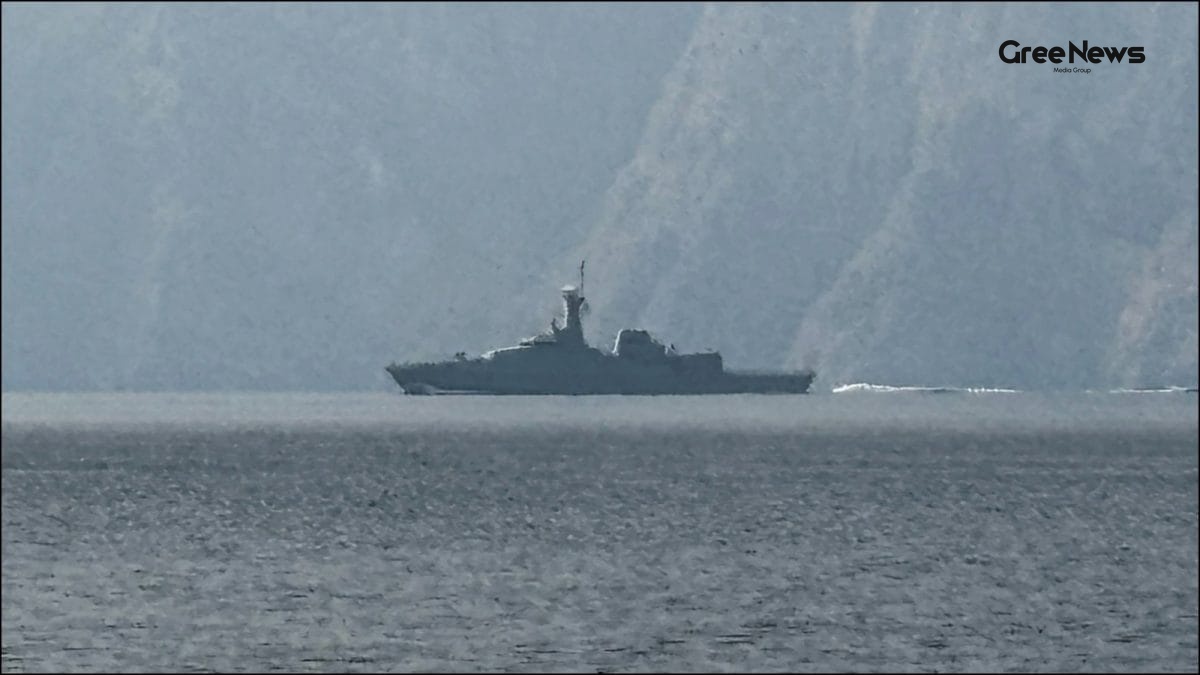
So, there I was, on a commercial tanker trying to make the short but crucial dash through the Strait of Hormuz. You know how we Indians love a good road‑trip story, but imagine the road is a 60‑km water corridor that carries nearly 20% of the world’s oil that’s the vibe. While the headlines were shouting that Iran had "opened" the strait, the reality on the deck felt like a scene right out of a thriller. A few minutes after we entered the narrow channel, crew members on the bridge started whispering about hearing what sounded like distant gunshots. It wasn’t a loud blast, more like a sharp crack that made the ship shudder a little.
Honestly, my first thought was whether it was just a stray firecracker or something more serious. The captain, a seasoned sailor who’s crossed Hormuz dozens of times, told us to stay calm and keep the radio open. This caught my attention because it mirrored the breaking news that was already circulating in the maritime circles several merchant vessels had reported gunfire, but nobody knew who fired them or if any ship was actually hit.
What happened next is interesting: the crew started checking the AIS (Automatic Identification System) data, and we could see a few other vessels in the vicinity also marking “possible gunfire” in their logs. The whole scene reminded me of those moments when you’re waiting for a bus in Delhi and a sudden honk makes everyone look up everyone is alert, but no one knows exactly why.
Gunfire incidents raise alarm
According to the maritime sources I spoke with later, it wasn’t just our tanker that heard the shots. A couple of other ships, one carrying crude oil and another a container vessel, filed similar reports to their operators. The common thread? All of them were trying to navigate the narrow waterway when the sounds broke the usual hum of the engines. No one could confirm if any vessel was directly struck, but the fact that multiple captains reported the same thing added a genuine layer of worry.
Shipping companies and insurers, who are always watching the latest news India feeds for any hint of risk, started talking about raising premiums for Hormuz transits. You can imagine the ripple effect higher insurance means higher freight costs, which eventually touch the price of petrol back home. It’s like a chain reaction that begins with a simple “bang” in the middle of the ocean.
Many people were surprised by this because, on paper, the strait was supposed to be open and safe. But the reality, as I saw with my own eyes, was far from secure. The whole episode stuck in my mind, especially when another captain mentioned that they heard the shots just as a US naval ship passed by, adding another layer of mystery to the whole thing.
‘Open’ but risky passage
Iran’s official stance has been that the strait is "open" for commercial shipping, even during the ongoing ceasefire talks. The government’s statements keep popping up in the trending news India sections, reassuring traders that trade can continue. However, the reality is that Iran also imposed strict conditions you need a permission slip, you have to follow a designated lane, and any deviation can be flagged as a violation.
While we were cruising, the captain reminded the crew about these rules, and we could see the Iranian maritime authority’s notice boards on the port terminals flashing the same message. At the same time, the United States continues its naval operations in the region, which they describe as a blockade targeting Iran. This dual pressure creates a complex security environment you have one side saying "we’re open" and the other side keeping a watchful eye with warships.
What caught my attention was how these contradictory signals affect everyday decisions. For instance, a friend who works for an Indian oil refinery told me that their logistics team now prefers alternate routes, even if it means longer transit times, just to avoid the risk of getting caught in any sudden flare‑up. That’s a clear example of how a regional issue becomes part of the daily business conversation in India.
Shipping traffic remains subdued
Before all this tension, the Strait of Hormuz saw more than 130 vessels a day a constant flow of tankers, container ships and even cruise liners. But after the reports of gunfire and the added Iranian restrictions, the traffic has dropped dramatically. In the last few weeks, the number of ships entering the strait fell to a fraction of the usual count. It’s like the rush hour traffic in Mumbai suddenly turning into a deserted road because everyone’s waiting for the police to clear the way.
Hundreds of tankers are now stuck in the Persian Gulf, anchored and waiting for clear instructions. Operators are weighing the risks of moving through the strait against the rising costs of staying idle a classic "damned if you do, damned if you don’t" situation. Some are even considering rerouting around the Cape of Good Hope, which adds weeks to the journey and huge extra fuel expenses.
From my point of view on the deck, the sight of a massive line of stationary vessels, their crews looking nervous, was striking. It reminded me of how Delhi’s traffic can freeze at a red light, except the stakes here are global oil supply and national economies.
Strategic chokepoint under pressure
The strategic importance of the Strait of Hormuz can’t be overstated. About one‑fifth of the world’s oil passes through this narrow waterway. Any hiccup even a single warning shot can send shockwaves through the global energy market. Insurance premiums for ships in the region have already spiked, and oil prices have shown volatility whenever a new incident pops up in the news.
What’s interesting is how quickly these incidents translate into numbers on the stock exchange back home. A sudden rise in oil futures, a spike in crude oil shipments to Indian refineries, and a flurry of social media posts tagging "viral news" about Hormuz all of this feeds into the larger narrative of energy security that the Indian government constantly monitors.
Even though the gunfire we heard did not cause any direct damage, the psychological impact on the crews and the broader shipping community is huge. It’s a reminder that the strait remains a flashpoint, and any escalation can quickly become a headline in the trending news India feeds.
Fragile situation
Analysts I chatted with later said the whole episode highlights just how fragile the situation remains. Diplomatic talks may have eased the immediate fear of a full closure, but the presence of armed forces on both sides, the strict Iranian transit rules, and sporadic incidents like the one I experienced keep the risk level high.
For now, Hormuz is technically open you can find the word "open" on official Iranian notices and in many news reports. But "open" doesn’t mean "safe". The strait feels more like a busy market street where you have to watch out for pickpockets, even though the market is officially open for business.
This contradiction is what keeps the conversation alive in maritime circles and why you’ll see the topic constantly appearing in India updates, especially when oil prices wobble. I think many of us, whether we’re on a vessel or simply watching the fuel gauge at home, will keep an eye on the developments, hoping for a calmer horizon.